



Midlife habit quietly determines your brain’s future, major study warns

 (NaturalHealth365) Most people assume memory loss and cognitive decline are simply inevitable – an unavoidable fact of life. Yet, a new study from Harvard suggests that assumption may be costing millions of people their mental sharpness decades too soon.
Published in JAMA Neurology, the research analyzed dietary data from 159,347 participants across three major long-term studies. The findings are difficult to dismiss: what you consistently eat during middle age has a measurable, significant impact on how well your brain functions in the years that follow.
Harvard’s largest brain-diet study just rewrote what we know about memory and mental clarity
Researchers evaluated six established healthy dietary patterns and tracked participants for subjective cognitive decline – that creeping sense that memory, focus, and mental clarity are slipping – as well as objectively measured cognitive function.
Every dietary pattern studied was associated with a lower risk of cognitive decline. But one stood out dramatically above the rest.
People whose eating habits most closely followed a whole foods approach centered on vegetables, fruits, legumes, and whole grains had a 41% lower risk of subjective cognitive decline compared to those who followed it least. No other dietary pattern came close to that level of protection.
Perhaps most striking: the strongest association was observed specifically among adults aged 45 to 54. Middle age – when most people aren’t yet thinking seriously about brain protection – turns out to be the critical window.
What’s actually driving the damage, and why your plate is the answer
The connection between diet and brain health isn’t random. High blood pressure quietly damages the blood vessels that deliver oxygen to the brain, and chronic inflammation and elevated insulin levels accelerate neurological deterioration. A poor diet fuels all three processes simultaneously.
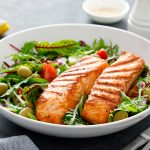
The study identified specific foods associated with better cognitive outcomes, such as vegetables, fish, and tea. (Editor’s note: At NaturalHealth365, we only recommend wild-caught fish and organic tea. Conventional tea is one of the most heavily sprayed crops in the world, and many popular fish like tuna carry high mercury levels that can undermine the very brain health you’re trying to protect.)
What foods are most consistently linked to worse brain aging? Red and processed meats, fried potatoes, sugary beverages, and sweet treats.
Your food patterns either feed or fight the inflammation, vascular damage, and insulin resistance that researchers increasingly recognize as core drivers of cognitive decline – the same mechanisms now being studied in relation to what some scientists are calling “type 3 diabetes,” their term for Alzheimer’s disease.
Simple strategies to start protecting your brain today
The research is clear: you don’t need to wait for symptoms to act. Here’s what the evidence supports.
Prioritize organic vegetables and wild-caught fish. These two food groups showed the most consistent association with better brain function across the study. Aim for fatty fish like wild-caught salmon or sardines twice weekly for their anti-inflammatory omega-3s, and load half your plate with organic vegetables like dark leafy greens, which support healthy blood flow to the brain.
Drink organic tea. Tea was identified as one of the protective foods in the research, but quality matters enormously here. Choose certified organic green or white tea to get the brain benefits without the pesticide burden.
Reduce the worst offenders. Processed meats, fried foods, and sugary drinks were consistently associated with worse cognitive outcomes. Removing them matters as much as adding protective foods.
Control blood sugar and inflammation through food choices. The diet’s power comes partly from its ability to stabilize blood pressure and reduce systemic inflammation. Consider anti-inflammatory additions such as extra-virgin olive oil, organic berries rich in anthocyanins, turmeric with black pepper, and organic green tea – all of which support the vascular and neurological pathways highlighted by this research.
Start now, regardless of your age. The 45-54 age group showed the strongest effect, but protective dietary patterns showed benefits across all ages studied. The best time to start was yesterday. The second-best time is today.
What Western medicine still isn’t telling you about your brain
A Harvard study confirming that diet dramatically shapes cognitive destiny should be front-page news. Instead, most people leave their doctor’s office with no meaningful guidance on the very choices that most affect their long-term mental sharpness.
Jonathan Landsman’s Alzheimer’s and Dementia Summit brings together 31 researchers and holistic doctors to reveal what Western medicine consistently overlooks.
Discover the dietary mistakes most powerfully linked to Alzheimer’s risk, how to detect early brain decline years before a diagnosis, the surprising connections between blood sugar, inflammation, oral health, and dementia, and the natural protocols that leading holistic physicians are using right now.
Sources for this article include:
RELATED NEWS

Fast blood pressure improvements just minutes away for you
(NaturalHealth365) Most of us assume we would feel something if our blood … Fast blood pressure improvements just minutes away for you
Unexpected gut damage caused by antibiotics combined with the wrong food choices
(NaturalHealth365) If you have ever filled an antibiotic prescription, you probably heard … Unexpected gut damage caused by antibiotics combined with the wrong food choices
Hidden heart attack risk detected on CT scan
(NaturalHealth365) Doctors who order a heart scan are usually hunting for one … Hidden heart attack risk detected on CT scan
The easy way to lower your stress hormones
(NaturalHealth365) After a rough day, many people think a “tough” exercise session … The easy way to lower your stress hormones