



Common plant compound lowers blood pressure, cholesterol and inflammation, science reveals

 (NaturalHealth365) Cardiovascular disease kills more people than any other condition on earth. A September 2025 report published in the Journal of the American College of Cardiology, drawing on data from 204 countries and territories, confirmed that heart disease caused one in three deaths globally in 2023 — and that 79.6% of the entire cardiovascular disease burden ties directly to modifiable risk factors.
The leading drivers include high blood pressure, elevated blood glucose, poor diet, physical inactivity, and chronic inflammation. Every one of these is addressable.
What most people – including cardiologists – overlook is how powerfully certain plant compounds act on these exact risk factors. Quercetin, a flavonoid found in onions, apples, tea, capers, and citrus fruits, stands out among them.
Multiple human clinical trials confirm that quercetin lowers blood pressure, reduces LDL and oxidized LDL cholesterol, raises HDL cholesterol, and reduces the inflammatory markers most directly tied to arterial disease.
What quercetin does inside the cardiovascular system
Quercetin belongs to the flavonoid family – plant compounds scientists have linked to reduced cardiovascular risk for decades. A meta-analysis of 39 population studies found that higher flavonoid intake consistently associates with lower cardiovascular risk, with quercetin specifically linked to reduced coronary heart disease risk.
Chronic inflammation and oxidative stress drive the development and progression of arterial plaque. Quercetin directly counters both. As an antioxidant, quercetin blocks the formation of oxidized LDL – the specific form of cholesterol that initiates plaque growth in arterial walls. As an anti-inflammatory, quercetin inhibits NF-kB, a protein complex that triggers the production of pro-inflammatory compounds throughout the cardiovascular system.
Quercetin also supports endothelial function, the health of the thin cellular lining inside blood vessels that regulates blood pressure, clotting, and inflammatory signaling. Impaired endothelial function precedes arterial disease by years or decades.
Additionally, quercetin activates AMPK, a metabolic pathway that enhances insulin sensitivity and helps reverse the blood sugar dysregulation that contributes to arterial damage over time.
What human clinical trials have confirmed
The research on quercetin is not preliminary. Human trials have tested its effects on blood pressure, lipid profiles, and inflammatory markers, and the results hold up across multiple study designs.
Regarding blood pressure, a meta-analysis of randomized controlled trials found that quercetin supplementation significantly reduced both systolic and diastolic blood pressure. A separate randomized, placebo-controlled crossover trial in overweight adults with cardiovascular risk factors found 150 mg of quercetin daily produced meaningful reductions in systolic blood pressure and oxidized LDL without adverse effects.
In people who took quercetin for more than eight weeks, the evidence also shows reductions in triglycerides and increases in HDL cholesterol. On inflammation, human trials confirm quercetin reduces C-reactive protein, a key marker of systemic inflammation tied to cardiovascular risk, as well as other inflammatory markers across patients with metabolic disease and type 2 diabetes.
Why quercetin rarely comes up in a cardiology appointment
Western medicine manages cardiovascular risk primarily through pharmaceutical intervention, statins for cholesterol, ACE inhibitors for blood pressure, and aspirin for clotting. These drugs treat single pathways. Quercetin simultaneously addresses oxidative stress, inflammation, blood pressure, lipid oxidation, endothelial function, and blood sugar regulation. That multi-target profile does not fit neatly into the pharmaceutical framework.
There is also a practical barrier. Quercetin’s bioavailability from food alone is limited, and standard supplementation has historically suffered from poor absorption. Research shows that combining quercetin with specific delivery systems or complementary compounds significantly improves how much the body actually absorbs and uses.
Most cardiologists have not engaged with this literature. Therefore, most patients are uninformed.
How to build quercetin into daily nutrition and lifestyle
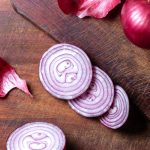
Eat the foods that deliver quercetin most consistently: Red onions provide among the highest dietary quercetin concentrations of any common food. Capers, red apples, kale, broccoli, and green tea all contribute meaningfully. Keep in mind, cooking reduces quercetin content, so eating onions raw or lightly cooked and consuming apples with their skin intact maximizes intake. Citrus fruits – particularly the white pith and membranes – add further amounts.
Pair quercetin-rich foods with fat to improve absorption: Quercetin is absorbed more effectively when consumed with dietary fat. A salad containing raw red onion, apple, and olive oil is not just a pleasant combination – the fat improves quercetin bioavailability from all three sources. Eggs, avocado, and olive oil are natural companions to quercetin-rich vegetables and fruits.
Address the inflammatory drivers quercetin cannot reach alone: Quercetin works most powerfully in a broader anti-inflammatory context. Refined carbohydrates, processed seed oils, and added sugars drive the same inflammatory pathway that quercetin inhibits, but at a volume that dietary quercetin alone cannot fully offset. Reducing these inputs reduces the overall inflammatory burden quercetin must work against.
Support the broader cardiovascular nutrient picture: Quercetin works alongside – not instead of – magnesium for blood pressure and arterial function, CoQ10 for mitochondrial energy production in heart muscle, and omega-3 fatty acids for triglyceride reduction and anti-inflammatory signaling. Building a diet around wild-caught fatty fish, organic leafy greens, nuts, seeds, and colorful plant foods provides quercetin along with the cofactors that support its effects.
The cardiovascular research most patients never receive
The 2025 report makes clear that the vast majority of cardiovascular disease burden is preventable. Yet conventionally cardiology’s primary tools remain pharmaceutical, addressing symptoms and single risk factors rather than the oxidative stress, inflammation, and metabolic dysfunction that create cardiovascular disease in the first place.
Quercetin research represents exactly the kind of multi-pathway, food-based evidence that conventional cardiology consistently overlooks.
Understanding the full picture of what drives cardiovascular risk – and which natural compounds, dietary strategies, and lifestyle protocols most effectively address root causes – is central to Jonathan Landsman’s Cardiovascular Docu-Class – an online program, available now.
Leading cardiovascular researchers and holistic health experts examine evidence that standard cardiology appointments rarely cover, including the nutritional and plant-based compounds with the strongest support from human trials for heart protection.
Sources for this article include:
RELATED NEWS

Myth exposed about thyroid dysfunction and the “wrong” kind of vegetables
(NaturalHealth365) For years, people with a sluggish thyroid have heard the same … Myth exposed about thyroid dysfunction and the “wrong” kind of vegetables
Fast blood pressure improvements just minutes away for you
(NaturalHealth365) Most of us assume we would feel something if our blood … Fast blood pressure improvements just minutes away for you
Unexpected gut damage caused by antibiotics combined with the wrong food choices
(NaturalHealth365) If you have ever filled an antibiotic prescription, you probably heard … Unexpected gut damage caused by antibiotics combined with the wrong food choices
Hidden heart attack risk detected on CT scan
(NaturalHealth365) Doctors who order a heart scan are usually hunting for one … Hidden heart attack risk detected on CT scan