



Researchers uncover a surprising new reason why magnesium may be one of the most important supplements you take

 (NaturalHealth365) Most people who take magnesium do so for muscle cramps, better sleep, or stress relief. Those are well-established benefits backed by solid research. But a clinical trial published in the American Journal of Clinical Nutrition has uncovered something far more remarkable about this common mineral – something that researchers themselves describe as a genuine surprise.
Scientists at Vanderbilt University Medical Center found that magnesium supplementation reshapes the gut microbiome in ways that produce vitamin D locally – inside the gut itself – and directly inhibit the early development of colorectal cancer. No sunlight required. No additional vitamin D supplement needed. Just magnesium, working through a biological pathway that nobody had previously connected to cancer prevention.
What happened inside the gut surprised even the researchers
The Personalized Prevention of Colorectal Cancer Trial enrolled 240 adults with a history of colorectal polyps – a known risk factor for colorectal cancer. Researchers randomly assigned participants to receive either personalized amounts of magnesium glycinate or a placebo for 12 weeks. The amount given was individualized based on each participant’s existing calcium and magnesium intake, targeting an optimal calcium-to-magnesium ratio.
The results were striking. Magnesium supplementation significantly increased the abundance of two specific gut bacteria – Carnobacterium maltaromaticum and Faecalibacterium prausnitzii. These two species work together to produce active vitamin D through fermentation inside the gut.
Crucially, this locally produced vitamin D does not enter the bloodstream but instead acts directly on the gut lining, inhibiting the development of colorectal cancer cells at the site where they are most likely to form. This is an entirely different mechanism from the vitamin D most people know, which operates independently of sun exposure or circulating blood levels.
The cancer connection scientists had never considered before
Colorectal cancer is among the most common and preventable cancers in the developed world. Most prevention strategies focus on screening, diet quality, and reducing red meat and processed food consumption. Magnesium has not traditionally been part of that conversation.
The lead researcher, Dr. Qi Dai of Vanderbilt University Medical Center, noted that a previous study from the same team had already shown that magnesium supplementation raises circulating vitamin D levels in people with low vitamin D status. This new trial adds a second layer to that finding.
Magnesium also appears to stimulate gut bacteria to produce vitamin D locally – a localized, targeted effect that supplements and sunlight simply cannot replicate. In other words, magnesium may be protecting the gut from cancer through two distinct pathways simultaneously.
Why so many people are not getting enough magnesium
Magnesium deficiency is one of the most widespread nutritional shortfalls in the modern world. Estimates suggest that up to 50% of Americans consume less magnesium than their bodies require. Modern agricultural practices have depleted magnesium from the soil, meaning that even people eating vegetables and whole grains are often getting far less than previous generations did from the same foods.
Furthermore, many common medications – including proton pump inhibitors for acid reflux, diuretics for blood pressure, and certain diabetes drugs – directly deplete magnesium from the body. Chronic stress, heavy exercise, excessive caffeine, and high sugar intake all accelerate magnesium loss through the kidneys. As a result, the very people most at risk for colorectal cancer – older adults managing multiple health conditions and medications – are also the most likely to be running low on the mineral this research identifies as protective.
Natural solutions for gut health and cancer prevention
Consider magnesium as a foundational daily supplement. Research suggests that magnesium is one of the most needed mineral for most people. Aim for an amount that accounts for your dietary intake, as the Vanderbilt trial used individualized amounts based on calcium-to-magnesium ratios. A qualified healthcare provider can help determine the right amount for your specific needs. Generally speaking 300 – 400 mg is a good place to start, but many people may need more depending on their individual situation.
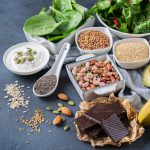
Build a diet that naturally supports magnesium levels and gut bacterial diversity. Organic dark leafy greens – spinach, Swiss chard, and kale – are among the richest dietary sources of magnesium available. Organic pumpkin seeds, black beans, quinoa, and dark chocolate also deliver meaningful amounts.
Additionally, fermented foods – plain kefir, raw sauerkraut, and kimchi – directly support the populations of beneficial bacteria that this research links to cancer protection. Together, these foods address both the mineral supply and the microbial environment that this study identifies as the protective mechanism.
Reduce the lifestyle and dietary factors that deplete magnesium fastest. Refined sugars and ultra-processed foods accelerate magnesium excretion through the kidneys. Chronic psychological stress is one of the most consistent drivers of magnesium depletion.
Moreover, excessive alcohol consumption directly interferes with magnesium absorption in the gut. Addressing these inputs – through whole food nutrition, stress management, and consistent sleep – protects the magnesium status that this research now links not just to muscle and nerve function, but to the gut bacterial environment that may be quietly protecting against colorectal cancer.
The cancer prevention tool hiding in plain sight
A double-blind, randomized, placebo-controlled trial at one of America’s leading research universities has confirmed that a widely available, affordable mineral reshapes the gut in ways that locally produce a cancer-inhibiting form of vitamin D. And most people taking magnesium for sleep or muscle cramps have no idea that this mineral may be doing something far more important, deeper in the gut.
Jonathan Landsman’s Stop Cancer Docu-Class explores the nutritional, microbial, and environmental strategies that research most strongly supports for reducing cancer risk from the ground up – including the gut health approaches that mainstream oncology has yet to fully integrate into prevention conversations.
Click here to own the Stop Cancer Docu-Class.
Sources for this article include:
RELATED NEWS

Unexpected gut damage caused by antibiotics combined with the wrong food choices
(NaturalHealth365) If you have ever filled an antibiotic prescription, you probably heard … Unexpected gut damage caused by antibiotics combined with the wrong food choices
Hidden heart attack risk detected on CT scan
(NaturalHealth365) Doctors who order a heart scan are usually hunting for one … Hidden heart attack risk detected on CT scan
The easy way to lower your stress hormones
(NaturalHealth365) After a rough day, many people think a “tough” exercise session … The easy way to lower your stress hormones
Shorter days linked to more dangerous infections
(NaturalHealth365) Every autumn, the days grow shorter, yet most of us barely … Shorter days linked to more dangerous infections