



Misunderstood herbal remedy offers undeniable health results

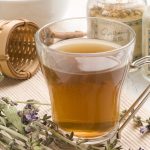 (NaturalHealth365) For over a century, a simple herbal remedy has been misunderstood by too many people, yet the health results are undeniable. Essiac tea was first promoted in the 1920s by Canadian nurse Rene Caisse. The name Essiac is her surname spelled backward. Sadly, Western medicine has largely ignored the health benefits.
But the science behind the key ingredients has continued to develop.
A comprehensive review published in Molecules in March 2026 examined the therapeutic properties of emodin – a bioactive anthraquinone compound found in rhubarb, one of Essiac’s core ingredients. Researchers detailed emodin’s anti-inflammatory, antioxidant, and anti-tumor properties across an extensive body of pharmacological research.
What Essiac tea actually contains
Essiac is a blend of several potent botanicals. Each one carries a documented history in traditional medicine.
For example, rhubarb root contains emodin and other anthraquinones, which have well-documented antioxidant and anti-inflammatory activity. Burdock root brings quercetin, luteolin, and phenolic acids – compounds consistently associated with free radical scavenging and immune support in research settings. Slippery elm inner bark provides a mucilaginous fiber that soothes the gut lining and supports healthy digestion. Sheep sorrel rounds out the formula with antioxidant flavonoids and organic acids that have long been used in traditional healing systems across multiple cultures.
Editor’s note: Since the “original” 4-botanical Essiac formula was developed, there is now an 8-botanical Essiac formula that offers much better healing potential. To learn more, don’t miss this complimentary webinar with Jonathan Landsman, creator of NaturalHealth365 Programs.
Together, these ingredients have been consumed as a tea for over a hundred years. Rene Caisse administered Essiac to thousands of patients and reported remarkable outcomes. Additionally, each plant has individually attracted serious scientific attention.
The 2026 emodin review makes clear that the chemistry underlying the formula’s most bioactive ingredient is not a matter of folklore but of ongoing scientific research.
Why rhubarb’s key compound is drawing renewed attention
Emodin is not a new discovery. But the depth of research now surrounding this compound has grown substantially. The 2026 Molecules review documented emodin’s ability to inhibit NF-κB, a primary signaling pathway that drives chronic inflammation throughout the body. Chronic NF-kB activation is now understood to play a central role in the development of inflammatory disease, metabolic dysfunction, and cancer progression.
The review also examined emodin’s effects on tumor cell behavior across multiple cancer types in laboratory research. Findings included the ability to inhibit cell proliferation and promote programmed cell death. Researchers also noted a reduction in angiogenesis, the formation of new blood vessels that tumors depend on to grow.
The broader research picture on Essiac’s ingredients
Beyond rhubarb, research on Essiac’s other ingredients provides additional context. Burdock root has been studied for hepatoprotective effects. Research suggests the root supports liver function and reduces oxidative stress in liver tissue.
A 2023 review documented antioxidant activity across multiple burdock preparations and noted anti-inflammatory properties in studies of edema and colitis. Quercetin, one of burdock’s primary flavonoids, has been studied extensively in human populations and is consistently associated with lower levels of systemic inflammation markers.
Slippery elm has been used clinically as a soothing agent for irritated mucous membranes. A published clinical review noted the use of slippery elm in managing throat irritation and gastrointestinal upset. Slippery elm contains a mucilaginous fiber that forms a protective coating along the gut lining.
Furthermore, sheep sorrel contains oxalic acid, tartaric acid, and multiple flavonoids. Traditional medicine systems across multiple cultures have long used the plant for mild diuretic and detoxifying support. Botanical research has since confirmed meaningful antioxidant activity in sheep sorrel preparations
Why this formula has endured for over a century
The persistence of Essiac tea for over a hundred years, despite being neglected by Western medicine, is truly remarkable. Rene Caisse worked with patients until the late 1970s, administering the formula to thousands under physician supervision in Canada. Both the Canadian government and Memorial Sloan Kettering researchers reviewed her cases in the 1970s. Both noted interesting findings. Yet neither pursued formal trials.
Without the potential for profit, large-scale research funding never followed.
That financial reality is a key reason human trials remain limited. Natural compounds cannot be patented in their original form. Without patent protection, pharmaceutical investment rarely follows – regardless of the compound’s biological activity.
This structural problem in research funding means that many plant-based remedies with centuries of traditional use and growing laboratory evidence remain in a scientific gray zone. Essiac is one of the clearest examples.
Natural solutions for immune and whole-body support
Consider Essiac tea as part of a broader anti-inflammatory and detoxification protocol. Research suggests that each of Essiac’s ingredients supports different aspects of immune and digestive health. Burdock root supports liver detoxification, slippery elm soothes the gut lining, sheep sorrel provides antioxidant flavonoids, and rhubarb’s emodin compound shows significant anti-inflammatory activity in pharmacological research.
Together, the improved 8-botanical formula addresses several interconnected pathways. Look for preparations that use this formula and follow traditional preparation methods using spring or filtered water.
Support your body’s detoxification pathways through daily nutrition. The liver processes the vast majority of environmental toxins, metabolic waste, and dietary compounds that flow through the body. Organic cruciferous vegetables activate phase II liver detoxification enzymes through their sulforaphane content. Organic broccoli, cauliflower, Brussels sprouts, and kale are among the best sources.
In addition, research suggests that adequate hydration and quality sleep support lymphatic and hepatic clearance as well. Regular movement helps keep those same systems running efficiently.
Build an anti-inflammatory foundation through whole food nutrition.
Processed foods and refined sugar drive the same chronic inflammation that emodin research targets. Poor sleep adds to that burden. So does daily exposure to environmental toxins.
Wild-caught fatty fish, organic berries, and extra virgin olive oil all provide anti-inflammatory compounds documented in human research. Turmeric and green tea do the same. Together with targeted herbal support, these food choices build the strongest possible foundation for the body’s natural defenses
What the cancer prevention conversation keeps circling back to
The ingredients inside Essiac tea keep showing up in serious scientific research. Scientists are actively working to understand and apply what science is revealing. And Western medicine’s clinical trial framework has been slow to catch up.
Jonathan Landsman’s Stop Cancer Docu-Class covers exactly that territory. You will hear about plant compounds, detoxification strategies, and anti-inflammatory protocols that emerging science continues to validate. In addition, the docu-class also addresses functional approaches to cancer prevention that rarely come up in a standard medical appointment.
Click here to own the Stop Cancer Docu-Class.
Sources for this article include:
RELATED NEWS

The common mistake made for anxiety and insomnia that can easily be avoided
(NaturalHealth365) Your doctor told you there’s a “solution” for your anxiety and/or … The common mistake made for anxiety and insomnia that can easily be avoided
What eating ginger does to your blood sugar and cardiovascular system
(NaturalHealth365) Most people think of ginger as something you add to a … What eating ginger does to your blood sugar and cardiovascular system
Two surprisingly simple ways to dramatically lower your risk of premature death
(NaturalHealth365) Two things affect millions of Americans every day. One is not … Two surprisingly simple ways to dramatically lower your risk of premature death
The cardiovascular risk your doctor has never once mentioned to you
(NaturalHealth365) Most people assume that noise is merely an annoyance, not a … The cardiovascular risk your doctor has never once mentioned to you