



The right chocolate to eat for better liver health

 (NaturalHealth365) Fatty liver disease now affects roughly one in three adults worldwide. Unfortunately, most people have no idea what’s happening with doctors merely advising to lose weight, cut out sugar and hope for the best. But, there’s so much more you can do for your liver health.
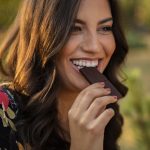
A sweeping new review published in February 2026 pulled together the clinical trial evidence on an unlikely candidate for liver support. Dark chocolate keeps showing up in the data with real, measurable effects.
Twenty-plus trials, one positive signal
Research published in the journal Nutrients combined findings from dozens of clinical trials on chocolate and cardiometabolic health. One focus stood out: metabolic dysfunction-associated steatotic liver disease, the condition once called fatty liver. Several trials tested dark chocolate directly in patients already diagnosed with liver inflammation.
One trial gave patients with steatohepatitis dark chocolate above 85 percent cocoa for two weeks. Researchers compared the results against milk chocolate. The dark chocolate group showed reduced hepatocyte apoptosis, a marker of active liver cell death, along with lower oxidative stress in the liver.
A separate crossover trial in the same patient population found reduced endotoxemia. That’s the leaking of bacterial toxins from the gut into the bloodstream that keeps liver inflammation burning. Another controlled trial gave healthy adults 30 grams of dark chocolate daily for four weeks, and LDL cholesterol, triglycerides, and total cholesterol all dropped.
Reviewers noted the trials were small, mostly under 40 participants. Even so, the direction of the results held steady across every one.
The heart benefits showed up right alongside the liver findings
Chocolate did not stop at the liver. The same review documented improved flow-mediated dilation, a measure of how well blood vessels relax and expand. Researchers saw this across multiple chocolate trials, in adults with and without existing heart disease.
Blood pressure improved in several studies too, particularly among postmenopausal women and those with mild hypertension. Platelet function improved as well, meaning blood cells became less prone to the kind of clumping that can trigger a heart attack.
Researchers linked these effects to flavanols, plant compounds concentrated in cocoa. Flavanols boost nitric oxide availability and calm inflammation in blood vessel walls. The liver and the heart appear to be responding to the same handful of compounds.
Simple ways to work dark chocolate into a liver-friendly routine
Choose organic chocolate above 70 percent cocoa, ideally closer to 85 percent. Keep in mind, flavanol content drops sharply as sugar and milk solids climb. A bar labeled “dark” at 45 percent cocoa carries a fraction of the benefit seen in the trials.
Read the label for cocoa percentage rather than trusting the word “dark” alone.
Stick to a modest daily amount rather than treating chocolate as unlimited. Most of the trials used around 30 grams a day, roughly the size of a standard chocolate bar split into a few pieces. Going well beyond that amount can undercut the very benefits being sought.
Consistency across weeks mattered more in the research than any single large serving.
Pair dark chocolate with other liver-supportive habits, rather than expecting a couple square alone to carry the work. Cutting added sugar and refined carbohydrates reduces the load the liver has to process every day. Regular physical activity, even a daily walk, helps the liver clear stored fat more efficiently.
Research suggests flavanol-rich foods work best as one piece of a broader pattern.
Why a chocolate square cannot replace a comprehensive liver strategy
Dark chocolate nudged liver inflammation and injury markers in the right direction. But fatty liver disease can advance for years without a single warning. On top of that, standard blood panels often miss early liver fat buildup entirely, leaving people unaware anything is wrong.
The Fatty Liver Docu-Class, hosted by Jonathan Landsman, focuses on exactly what you need to know for better liver health.
Presentations cover functional lab testing that flags liver fat years before standard panels raise a concern, plus food-based strategies built around reversing early liver damage. The toxin exposures that quietly add to the liver’s daily burden get covered as well, rounding out the program to give you real guidance.
Click here to own the Fatty Liver Docu-Class.
Sources for this article include:
RELATED NEWS

Hidden heart attack risk detected on CT scan
(NaturalHealth365) Doctors who order a heart scan are usually hunting for one … Hidden heart attack risk detected on CT scan
The easy way to lower your stress hormones
(NaturalHealth365) After a rough day, many people think a “tough” exercise session … The easy way to lower your stress hormones
Two of the clearest ways to avoid age-related vision loss
(NaturalHealth365) Few things feel as precious as seeing a grandchild’s face clearly … Two of the clearest ways to avoid age-related vision loss
Shorter days linked to more dangerous infections
(NaturalHealth365) Every autumn, the days grow shorter, yet most of us barely … Shorter days linked to more dangerous infections