



Surprisingly simple way to avoid premature death, major study reveals

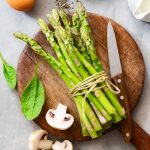 (NaturalHealth365) Asparagus rarely gets top billing at any meal. Unfortunately, too many people make the mistake of viewing this vegetable as simply a garnish. But, now, we have evidence suggesting that would be a big mistake.
A massive new 2026 study out of Germany will change your opinion about this incredible vegetable. Among nearly every food researchers tested, asparagus stood out above most of them as a way of avoiding premature death.
A study built on food preference, not memory
Researchers at Justus-Liebig University of Giessen analyzed data from 177,148 adults in the UK Biobank. Notably, the database ranks among the world’s largest health resources. Rather than asking participants to recall what they ate, researchers had them rate how much they liked or disliked 140 foods.
That approach sidesteps a common problem in nutrition research. People often misremember or underreport what actually lands on their plate.
Over an average follow-up of 3.4 years, more than 3,300 participants died. Researchers compared death rates between people who rated each food highly against those who rated the same food low.
A preference for asparagus stood out with the strongest protective association in the entire study.
People who said they strongly liked asparagus had a 31 percent lower risk of death from any cause. That risk reduction held during the entire study period.
Researchers ran the numbers through eleven separate sensitivity analyses, adjusting for smoking, existing disease, supplement use, and several other factors. The asparagus finding held up in every single one.
Twenty-six other foods told a similar story
Asparagus was not alone. Researchers also found that a preference for broccoli, spinach, onions, garlic, mushrooms, lentils, black pepper, and extra virgin olive oil tracked with meaningfully lower mortality risk.
On the other end, a strong preference for regular soda was the most consistent marker of higher risk.
Researchers pointed out that liking a food and eating a food tend to move together. Prior research comparing preference questionnaires to actual intake backs up that link.
In other words, the vegetables people genuinely enjoy tend to show up on their plate most often. A taste for asparagus likely reflects a broader pattern of choosing produce over processed convenience foods.
Why asparagus specifically may matter for long-term health
Asparagus delivers a distinct nutritional profile compared to more commonly studied vegetables. The vegetable carries meaningful amounts of folate, vitamin K, and prebiotic fiber that feeds beneficial gut bacteria.
Antioxidant compounds called saponins show up in unusually high concentration in asparagus. These compounds have drawn separate research interest for their potential role in inflammation control.
Fiber content likely plays a role in the mortality findings too. Large separate meta-analyses covering more than a million participants have already linked higher fiber intake to lower all-cause mortality.
Asparagus fits neatly into that broader pattern. The vegetable adds weight to a well-established nutritional principle rather than standing apart from the trend.
Simple ways to make asparagus a regular habit
Roast organic asparagus with olive oil for an easy, high-flavor side dish. Toss trimmed spears in extra virgin olive oil, sea salt, and pepper. Roast at 400 degrees for ten to twelve minutes. This method concentrates the natural flavor far more than boiling, which tends to leave asparagus watery and bland.
Buy asparagus in season for the best flavor and lowest cost. Spring typically brings the freshest, most tender spears at the best prices. However, many grocery stores stock asparagus year-round regardless of season. Thinner spears generally taste more delicate, while thicker spears hold up better on the grill.
Add asparagus to egg dishes or stir-fries for variety. Chopped asparagus works well folded into an omelet or stir-fried alongside garlic and ginger. Variety in preparation keeps the vegetable from feeling repetitive across a busy week.
Why one favorite vegetable is not a full longevity plan
In this research, asparagus stood out: people who preferred this vegetable had a lower risk of death. But no single food decides how long someone will live. Genetics, chronic stress, exposure to environmental toxins, and many other factors can shape health over the years, right alongside diet.
In this program, Jonathan examines functional lab tests that can help you to uncover your toxic burden. The summit also explores food-based ways to support the body’s natural detoxification processes, as well as what lifestyle habits are best to use to protect your health.
Click here to own the Whole Body Detox Summit.
Sources for this article include:
RELATED NEWS

What happens while you sleep linked to your risk of 83 different diseases
(NaturalHealth365) You probably have a rough idea of how many hours you … What happens while you sleep linked to your risk of 83 different diseases
Will consuming fermented foods lower your heart disease risk
(NaturalHealth365) Thousands of years before refrigerators, herders noticed something odd about the … Will consuming fermented foods lower your heart disease risk
Unnoticed brain damage found in healthy adults linked to the foods filling most grocery carts
(NaturalHealth365) A granola bar on the way to work, a frozen meal … Unnoticed brain damage found in healthy adults linked to the foods filling most grocery carts
Unexpected way to lower heart attack risk takes less than 20 minutes a day
(NaturalHealth365) Most heart health advice sounds exhausting: hour-long workouts, strict diets, and … Unexpected way to lower heart attack risk takes less than 20 minutes a day