



Brazilian superfood transforms gut health, pilot study reveals

 (NaturalHealth365) Two people can eat identical meals, follow the same exercise routine, and get completely different results. One maintains perfect blood sugar while the other develops diabetes. One has boundless energy while the other battles constant fatigue. Western medicine blames genetics or willpower, but the real answer lives in your intestines – trillions of bacteria that determine how your body processes every bite of food you eat.
Now researchers have identified an unusual seed from Brazil’s threatened Cerrado ecosystem that can actually reprogram these bacteria in just 60 days, triggering measurable improvements in metabolic health markers.
Small daily serving triggers major bacterial shifts
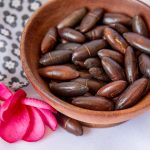
Scientists recruited 15 individuals with obesity and instructed them to consume just 20 grams of baru almonds daily – about a palmful or roughly 15 seeds – for 60 days. Blood tests and fecal samples were collected at the beginning and end of the study to track changes in both metabolic markers and gut microbiome composition.
The microbiome analysis revealed specific bacterial transformations after regular baru consumption. The Faecalibacterium family decreased while the Provotella genus increased significantly. These changes matter because your gut bacteria produce metabolites that reach your brain, regulate inflammation throughout your body, synthesize vitamins, protect against pathogenic organisms, and maintain intestinal barrier function.
Baru almonds contain high concentrations of unsaturated fatty acids, protein, fiber, and minerals, including potassium, phosphorus, iron, magnesium, zinc, manganese, and copper. This unique nutritional profile appears to feed beneficial bacteria while starving problematic strains, creating an intestinal environment that supports better metabolic signaling.
The study also found improvements in biochemical parameters. HDL cholesterol levels increased while total cholesterol and LDL cholesterol decreased – changes that appeared directly linked to the microbiome transformations triggered by regular baru consumption.
Where to find baru almonds
Baru almonds are starting to gain traction in U.S. health food markets, though you won’t find them at mainstream grocery chains just yet. If you’re interested in trying them, your best bet is online retailers, which regularly stock them. You’ll also spot them in specialty health food stores and natural markets, especially those that carry imported superfoods or focus on nutrient-dense snack options.
One important note: unlike almonds or walnuts, which can be eaten raw, organic baru almonds must be roasted before consumption because they contain compounds that require heat inactivation. This means they’re always sold pre-roasted, which makes the seeds safe and digestible while creating a rich, slightly nutty flavor similar to roasted peanuts.
Practical strategies to rebuild beneficial bacteria
Protecting and rebuilding your microbiome requires more than adding one superfood. It demands a comprehensive approach to feeding beneficial bacteria and eliminating the toxins that destroy gut health.
Include prebiotic foods daily: Beyond baru almonds, fermented vegetables, organic Jerusalem artichokes, raw garlic, onions, and asparagus all feed beneficial bacteria. Diversity matters – different bacterial strains prefer different fuel sources, so varying your prebiotic intake creates a more resilient microbiome.
Eliminate microbiome disruptors: Processed vegetable oils, artificial sweeteners, emulsifiers in packaged foods, and unnecessary antibiotics all damage beneficial bacteria populations. Environmental toxins, including pesticides, heavy metals, and industrial chemicals, destroy the delicate bacterial ecosystems in your intestines.
Support intestinal barrier integrity: Chronic stress, pharmaceutical medications, and inflammatory foods damage the tight junctions in your intestinal lining, allowing toxins into your bloodstream. This triggers systemic inflammation, further disrupting the microbiome.
Discover how gut health controls immunity
Your intestinal microbiome controls the foundation of your entire immune system. The beneficial bacteria in your gut train immune cells, produce anti-inflammatory compounds, and prevent pathogenic organisms from colonizing your intestinal tract.
Jonathan Landsman’s Immune Defense Summit brings together 34 holistic healthcare providers, revealing evidence-based approaches to strengthening immunity.
Discover how the microbiome influences immune function and autoimmune disorders, which toxins destroy beneficial gut bacteria, natural protocols for rebuilding gut health after antibiotic damage, the gut-brain connection and its impact on chronic disease, and functional tests that reveal your microbiome status before serious problems develop.
Bottom line: A small daily serving of baru almonds transformed the composition of gut bacteria in just 60 days, triggering improvements in cholesterol markers that appeared directly linked to microbiome changes. Your gut bacteria control more of your health than most doctors acknowledge, and the right foods can shift bacterial populations in your favor.
Sources for this article include:
RELATED NEWS

Overlooked eating mistake linked to fatty liver disease and cirrhosis
(NaturalHealth365) What time did you eat your last bite yesterday? For millions, … Overlooked eating mistake linked to fatty liver disease and cirrhosis
Research reveals how to stop cavities, tooth decay and gum disease naturally
(NaturalHealth365) You brush twice a day, floss most nights, and never miss … Research reveals how to stop cavities, tooth decay and gum disease naturally
Reduce lung cancer risk by 41 percent by eating six key nutrients
(NaturalHealth365) Forty-one percent. In a study of hundreds of thousands of adults, … Reduce lung cancer risk by 41 percent by eating six key nutrients
Myth exposed about thyroid dysfunction and the “wrong” kind of vegetables
(NaturalHealth365) For years, people with a sluggish thyroid have heard the same … Myth exposed about thyroid dysfunction and the “wrong” kind of vegetables