



Myth exposed about thyroid dysfunction and the “wrong” kind of vegetables

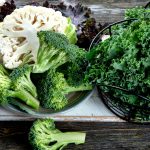 (NaturalHealth365) For years, people with a sluggish thyroid have heard the same warning: avoid broccoli, kale, and cabbage. Now, a team of thyroid specialists has closely examined the evidence behind these popular food rules.
What they found may bring many nourishing foods back to your plate.
Thyroid specialists sorted diet facts from fiction
For the review, published in 2026 in the Journal of Endocrinological Investigation, Italian thyroid experts examined two decades of diet research. Four reviewers independently screened research published between 2005 and 2025. Their goal was simple: determine which nutrition beliefs hold up and which fall apart under scrutiny.
The thyroid, a small gland at the base of the neck, sets the pace for your metabolism, energy, and mood. Because the gland needs specific nutrients to make thyroid hormones, diet plays a real role in thyroid health. Yet much of the popular advice, the team found, rests on thin evidence.
Broccoli and kale earned an unfair reputation
Cruciferous vegetables contain natural compounds that, in very large amounts, can interfere with how the thyroid uses iodine. However, the review found that these effects showed up mainly in animal studies and generally did not appear in people. In fact, human studies of kale juice and broccoli sprouts showed no meaningful changes in thyroid function.
What’s more, cooking these vegetables deactivates much of the enzyme responsible for the effect. With enough iodine and a varied diet, the researchers concluded, there is no reason to avoid these vegetables. That is welcome news, since broccoli, kale, and cabbage rank among the most nutrient-packed foods you can eat.
Going “gluten-free” may not be the best way to eliminate thyroid dysfunction
Similarly, the review found little evidence that a gluten-free diet helps thyroid patients without celiac disease.
Cutting out high quality, ancient grain bread without a medical reason can also lower your intake of fiber, protein, and important minerals. Conversely, all forms of conventionally produced bread should be avoided for obvious reasons that include too much sugar and other unwanted ingredients.
Of course, anyone with celiac disease or a true gluten sensitivity may still need to avoid gluten for a period of time. But, as surprising as this may sound, there are celiac patients that enjoy bread made from ancient grains without a problem.
For everyone else, the energy spent avoiding bread might be better spent on the foods your thyroid truly needs. In other words, adding the right nutrients appears to matter more than cutting out entire food groups.
A Mediterranean way of eating came out ahead
Meanwhile, a Mediterranean-style diet stood out as the healthiest model for thyroid patients, with plenty of vegetables, fruits, olive oil, and fish. The review linked this way of eating to lower inflammation and better thyroid outcomes. By contrast, the team tied processed foods, refined sugar, and processed meats to more inflammation and thyroid disease.
Several nutrients also proved essential, since iodine, selenium, zinc, and iron all help the thyroid build and activate hormones. Additionally, people with thyroid problems often run low on vitamin D and vitamin B12. Importantly, the researchers stressed that a varied, balanced diet works better than leaning on any single food or nutrient.
Everyday ways to nourish your thyroid
Get enough iodine, but not too much. Adults need about 150 micrograms of iodine a day. According to the review, both too little and too much can cause trouble. Pasture-raised organic eggs, organic plain yogurt, wild-caught seafood, and sea salt, used in moderation, can help meet your needs.
Eat selenium- and zinc-rich foods every week. Wild-caught sardines and salmon, eggs, pumpkin seeds, and grass-fed beef supply both minerals. Just two or three Brazil nuts a day can also cover selenium needs, so there is no need to overdo them. Rather than taking high-dose selenium pills without a reason, focus on steady intake from whole foods.
Ask your healthcare provider to check your nutrient levels. A simple blood test can reveal low vitamin D, vitamin B12, or iron. All three can affect your energy and thyroid health. If your levels run low, a quality vitamin D3 supplement, B12, or iron-rich foods can make a real difference. Pair iron-rich leafy greens with vitamin C foods like bell peppers or citrus to help your body absorb more iron.
Enjoy your cruciferous vegetables cooked. Lightly steam, roast, or sauté broccoli, cabbage, kale, and Brussels sprouts to enjoy their benefits with fewer worries. Pair them with extra virgin olive oil and, a few times a week, a serving of wild-caught fish. Over time, this Mediterranean pattern supports your whole body.
Your thyroid never works alone
Many people spend years cutting out foods out of fear, yet still feel tired, cold, and foggy. Yet the review suggests the answer lies less in what you avoid and more in what you eat every day. So how many of the food rules you follow right now actually help your thyroid?
Your thyroid also depends on your adrenal glands, which manage stress hormones that influence energy and metabolism. Jonathan Landsman’s Thyroid and Adrenal Health Docu-Class explains how these two systems shape how you feel and shares natural ways to support both. Just remember, better energy starts with making better lifestyle choices.
Click here to own the Thyroid and Adrenal Health Docu-Class today.
RELATED NEWS

Fast blood pressure improvements just minutes away for you
(NaturalHealth365) Most of us assume we would feel something if our blood … Fast blood pressure improvements just minutes away for you
Unexpected gut damage caused by antibiotics combined with the wrong food choices
(NaturalHealth365) If you have ever filled an antibiotic prescription, you probably heard … Unexpected gut damage caused by antibiotics combined with the wrong food choices
Hidden heart attack risk detected on CT scan
(NaturalHealth365) Doctors who order a heart scan are usually hunting for one … Hidden heart attack risk detected on CT scan
The easy way to lower your stress hormones
(NaturalHealth365) After a rough day, many people think a “tough” exercise session … The easy way to lower your stress hormones