



Hidden mineral deficiency accelerates joint destruction and weakens immunity, studies confirm

 (NaturalHealth365) Millions struggle with aching joints, frequent infections, and wounds that won’t heal properly. In response, doctors prescribe anti-inflammatory drugs, antibiotics, and expensive biologics while completely ignoring a simple blood test that could explain all three problems. New research confirms what Western medicine continues to dismiss: a zinc deficiency can drive joint destruction, cripples immune function, and prevents wounds from healing, yet testing for it remains virtually nonexistent in standard medical practice.
A comprehensive 2025 review published in Nutrition Research Reviews examined zinc’s impact on osteoarthritis, revealing why this overlooked mineral matters so much to anyone battling joint pain and cartilage breakdown.
What 3,000 proteins need to keep your joints moving
Zinc acts as a cofactor for over 3,000 proteins and appears in all six classes of enzymes, making it irreplaceable for cartilage formation, immune regulation, and inflammation control throughout your joints. Both zinc deficiency and excess damage bone health and accelerate osteoarthritis progression.
Conventional rheumatologists never test zinc levels before starting treatment. They hand out cortisone injections and schedule joint replacements while patients’ zinc status remains completely unexamined. Zinc-dependent enzymes directly influence osteoarthritis through multiple mechanisms, regulating cartilage turnover, modulating immune responses, and protecting against oxidative stress destroying joint tissues.
The 32-point inflammation drop researchers documented
A massive meta-analysis of 35 randomized controlled trials involving nearly 2,000 participants found that zinc supplementation had a dramatic effect on immune function. Researchers measured a blood marker called C-reactive protein, which indicates the extent of inflammation throughout your body. Patients taking zinc saw this inflammation marker drop by an average of 32.4 points, a substantial decrease indicating significantly less whole-body inflammation.
Zinc deficiency affects an estimated 2 billion people worldwide, including 40% of elderly Americans, the exact population most vulnerable to infections. Recent research confirms zinc strengthens both innate and adaptive immunity, reducing inflammatory cytokines that drive chronic disease while enhancing the body’s ability to recognize and destroy threats.
In fact, a 2024 review found zinc essential for preventing the excessive cytokine storms that make viral infections deadly, yet doctors rarely check zinc levels even in seriously ill patients.
When healing should be measured in weeks, not months
A February 2025 systematic review examined five clinical trials on zinc treatment for wound healing. Results showed that wounds closed 41% faster in zinc-treated patients compared with standard care.
Zinc protects skin cells from dying prematurely when exposed to bacterial toxins and oxidative stress, confers resistance to infection through enhanced local defense systems, and stimulates cell migration needed to close wounds. Yet when patients present with slow-healing wounds, doctors rarely investigate zinc status before prescribing antibiotics and expensive wound care products.
Common medications create an epidemic of deficiency
Western medicine operates under the assumption that dietary deficiencies don’t exist in developed countries, despite widespread zinc insufficiency in elderly populations, people with digestive disorders, and those taking common medications.
Diuretics prescribed for blood pressure increase zinc loss through urine, proton pump inhibitors for acid reflux reduce zinc absorption, and ACE inhibitors interfere with zinc utilization. The medications doctors prescribe to treat one problem actively create another they refuse to test for.
Oysters to pumpkin seeds: Rebuilding mineral reserves
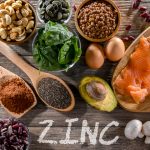
Prioritize highly bioavailable sources: Oysters deliver more zinc per serving than any other food, while 100% grass fed meat provides zinc your body absorbs exceptionally well. Pasture raised poultry offers excellent amounts, especially in dark meat. Plant-based eaters can turn to organic pumpkin seeds, cashews, hemp seeds, chickpeas, and lentils for significant zinc, though these sources have lower absorption due to phytates that bind minerals in plant foods.
Enhance absorption strategically: Soaking beans and grains overnight before cooking helps break down phytates that can block zinc absorption. You can further improve uptake by pairing plant zinc sources with citrus fruits, tomatoes, or vinegar-based dressings, since organic acids help mineral absorption. Adequate protein intake matters too, as amino acids act as carriers that transport zinc through your intestinal wall and into cells where it’s needed.
Address hidden depletion factors: Chronic stress triggers increased zinc excretion through cortisol’s effects on mineral balance, while excessive alcohol consumption interferes with absorption and accelerates losses. Digestive conditions like Crohn’s disease, celiac disease, or chronic diarrhea severely impair zinc uptake regardless of how much you consume. If you’re taking high-dose calcium or iron supplements, they’ll compete with zinc for absorption.
Smart supplementation approach: When testing reveals a deficiency or you face absorption challenges, zinc gluconate and zinc citrate offer well-absorbed forms that work effectively. Typical supplemental amounts range from 15-30 mg daily for general maintenance, though therapeutic amounts for confirmed deficiency may run higher under professional guidance. Taking zinc with food minimizes nausea, but remember the narrow therapeutic window – excessive zinc creates its own problems, including copper deficiency that can be serious.
Stop treating symptoms while ignoring what drives them
Zinc deficiency rarely exists in isolation. Chronic inflammation, environmental toxins, poor gut health, and nutrient depletion create interconnected problems that undermine immune function and increase disease risk across every system.
Jonathan Landsman’s Immune Defense Summit brings together leading holistic experts to reveal how to strengthen your immune system naturally. Discover why zinc and other critical minerals become depleted in modern diets and how to restore optimal levels, natural protocols for enhancing immunity without pharmaceutical immune suppressants, the connection between gut health and immune function that Western medicine dismisses, and functional lab tests that identify mineral deficiencies years before serious illness develops. Get access to this lifesaving program today.
Sources for this article include:
RELATED NEWS

Will consuming fermented foods lower your heart disease risk
(NaturalHealth365) Thousands of years before refrigerators, herders noticed something odd about the … Will consuming fermented foods lower your heart disease risk
Unnoticed brain damage found in healthy adults linked to the foods filling most grocery carts
(NaturalHealth365) A granola bar on the way to work, a frozen meal … Unnoticed brain damage found in healthy adults linked to the foods filling most grocery carts
Overlooked eating mistake linked to fatty liver disease and cirrhosis
(NaturalHealth365) What time did you eat your last bite yesterday? For millions, … Overlooked eating mistake linked to fatty liver disease and cirrhosis
Research reveals how to stop cavities, tooth decay and gum disease naturally
(NaturalHealth365) You brush twice a day, floss most nights, and never miss … Research reveals how to stop cavities, tooth decay and gum disease naturally