



How to stop chronic stress from silently damaging your health, researchers confirm

 (NaturalHealth365) Chronic stress is one of the most common health complaints in the modern world and also one of the most underestimated. Most people know stress feels bad. Yet, only a small percentage of the people realize what stress does to the body every single day, especially if unaddressed.
When stress becomes chronic, the body pumps out cortisol and adrenaline in amounts it was never designed to sustain over the long term. The result is persistent inflammation throughout the body, a suppressed immune system, disrupted hormones, poor sleep, weight gain, and, over time, a dramatically higher risk of serious disease. The adrenal glands, which produce these stress hormones, take the hardest hit. And once they’re exhausted, the downstream effects touch almost every system in the body.
The good news is that nature has been quietly solving this problem for centuries. A new wave of research is finally confirming what traditional medicine has long understood: that specific herbs can meaningfully interrupt the stress response and help the body recover its natural balance.
What 873 patients across 15 studies revealed about ashwagandha
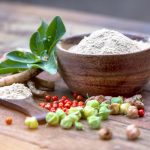
Ashwagandha may be the most thoroughly researched natural stress remedy on the planet right now. A major meta-analysis published in BJPsych Open in June 2025, covering 15 randomized controlled trials and 873 adult patients, found that ashwagandha supplementation significantly reduced both cortisol levels and anxiety scores compared with placebo. The reductions in cortisol were particularly striking, with participants showing measurable drops in this key stress hormone after just 8 weeks of supplementation.
What makes ashwagandha so effective is its classification as an adaptogen – an herb that helps the body regulate its own stress response rather than simply sedating or stimulating it. Ashwagandha works through the adrenal system, helping to normalize the cortisol output that, when chronically elevated, drives inflammation, disrupts sleep, and suppresses immune function. The 2025 review concluded that ashwagandha is safe and effective for reducing stress and anxiety in adults, a significant finding for a compound that costs a few dollars a month.
Rhodiola: The herb that helps when stress is already draining you
Where ashwagandha excels at keeping cortisol in check, rhodiola shines when exhaustion has already set in. A 2025 randomized, triple-blind, placebo-controlled trial published in Nutrients found that rhodiola supplementation reduced the impact of mental fatigue on physical performance in healthy adults, suggesting how deeply this herb supports the adrenal-brain connection, which breaks down under chronic stress.
Rhodiola is the only adaptogenic herb formally approved by the European Medicines Agency for the relief of stress-related fatigue and exhaustion. Research shows that one of its primary mechanisms involves moderating the release of stress hormones while simultaneously supporting energy metabolism, helping people feel calmer and more capable at the same time, rather than choosing between the two.
Natural solutions to protect your adrenals and calm your stress response
Start with ashwagandha as a daily foundation for adrenal support. Look for a root extract standardized to at least 5% withanolides, the active compounds the research consistently uses. Most studies showing cortisol reduction used amounts between 240 and 600 mg daily. Liquid extracts are easy to add to water or smoothies, while capsules work just as well for people who prefer consistency.
Add rhodiola when mental fatigue and exhaustion are part of the picture. Rhodiola works best taken earlier in the day, as its mild energizing effect can interfere with sleep if taken in the evening. A standardized extract of 200–400 mg in the morning is a common starting point. Unlike stimulants, rhodiola builds its effect over days rather than delivering an immediate jolt. Give it at least two weeks before assessing results.
Support the adrenals through both food and herbs. The adrenal glands depend on vitamin C, magnesium, and B vitamins to produce and regulate stress hormones. Organic leafy greens, avocado, wild-caught salmon, pumpkin seeds, and Brazil nuts cover most of this nutritional ground. Cutting back on caffeine, which directly stimulates cortisol release, amplifies the benefits of every other strategy here.
Chamomile tea in the evening rounds out the picture. Chamomile works through different pathways than rhodiola and ashwagandha, calming the nervous system and reducing the inflammatory signaling triggered by chronic stress. A cup 30 minutes before bed is one of the simplest and most underused tools for breaking the cycle of stress-driven insomnia that keeps the adrenals working overtime through the night.
Your adrenal health determines far more than your stress levels
Exhausted adrenals don’t just make you feel stressed and tired. They disrupt thyroid function, raise cardiovascular risk, destabilize blood sugar, suppress immunity, and accelerate aging. Western medicine rarely tests for adrenal dysfunction until a crisis point, meaning most people dealing with its effects are doing so completely unaware.
If you want to understand what’s really happening in your adrenal-thyroid system and what leading natural health practitioners are doing about it, Jonathan Landsman’s Thyroid and Adrenal Health Docu-Class is the logical next step.
Thirty-one presentations from holistic physicians and natural health researchers cover the functional tests that reveal adrenal problems years before they become obvious, the dietary and lifestyle steps that restore balance, and the connection between adrenal health and everything from brain fog and weight gain to heart disease and autoimmune conditions. The information Western medicine is not giving you is here.
Sources for this article include:
RELATED NEWS

Two-minute nightly routine linked to fewer strokes, major study reveals
(NaturalHealth365) Be honest, how often do you actually floss? Most of us … Two-minute nightly routine linked to fewer strokes, major study reveals
Lower the risk of dementia with an age-old habit
(NaturalHealth365) There’s something special about curling up with a good book on … Lower the risk of dementia with an age-old habit
Soothing daily cup linked to a longer life, researchers discover
(NaturalHealth365) As the evenings turn cool, few things feel as comforting as … Soothing daily cup linked to a longer life, researchers discover
The prescription drug chain reaction that’s putting you at risk
(NaturalHealth365) In truth, most of us assume that a new symptom points … The prescription drug chain reaction that’s putting you at risk