



Fast brain function improvements surprise researchers

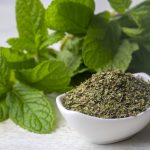 (NaturalHealth365) Most people reach for peppermint tea on an upset stomach or a cold winter evening. Very few think of it as something that could sharpen memory, improve focus, or change what happens inside the brain within minutes of drinking it. Yet that is exactly what a new placebo-controlled clinical trial from Northumbria University in the United Kingdom has now documented, and the findings are turning heads in the research community.
Researchers recruited 25 healthy adults for a randomized, placebo-controlled trial published in the journal Human Psychopharmacology. Participants consumed either 200 milliliters of brewed peppermint tea or a placebo drink. Researchers then measured cognitive performance across four distinct memory tasks and tracked changes in blood flow in the brain’s prefrontal cortex using near-infrared spectroscopy in real time.
The results were clear and consistent across every measure.
The four memory tasks peppermint tea changed
After drinking peppermint tea, participants showed significant improvements across all four cognitive tests compared to the placebo group. Episodic memory scores rose, working memory improved, short-term word recall went up, and visuospatial memory, the ability to remember spatial relationships and visual information, also improved meaningfully.
What makes the findings especially striking is what happened in the placebo group during the same testing window. Rather than holding steady, placebo participants showed a slight decline in performance on some tasks. Researchers noted this likely reflects the normal effects of mental fatigue during repeated testing. Peppermint tea appeared to buffer against that decline entirely, keeping cognitive performance elevated even as the placebo group began to slip.
What the brain scans revealed in real time
Alongside the memory tests, researchers used near-infrared spectroscopy to measure oxygenated blood flow in the prefrontal cortex, the region of the brain most closely associated with attention, decision-making, and working memory. Peppermint tea produced a measurable increase in oxygenated hemoglobin in that region compared to placebo.
Furthermore, the researchers found something unexpected. The increase in cerebral blood flow did not statistically explain the cognitive improvements. The two effects appeared to operate through separate biological pathways.
Peppermint, in other words, may be influencing brain function through more than one mechanism simultaneously – a finding that researchers say warrants deeper investigation, particularly in populations experiencing early cognitive concerns.
Why peppermint does what Western medicine has overlooked
Peppermint contains several active compounds that research has linked to effects on the brain and nervous system. Menthol, the most well-known, crosses the blood-brain barrier and interacts with receptors involved in alertness and sensory processing. Rosmarinic acid, another key compound in peppermint, carries antioxidant and anti-inflammatory properties that may help protect brain tissue from the oxidative stress that accumulates over time.
Western medicine has devoted relatively little effort to studying how everyday food plants acutely affect cognitive function. Most brain health research focuses on long-term drug interventions or disease management rather than the kinds of simple, accessible choices people can make daily.
This study adds to a growing body of evidence suggesting that common plants, consumed as food or tea, may support brain function in ways the medical mainstream has been slow to investigate.
Natural solutions for brain health and cognitive resilience
Make peppermint tea a regular part of your daily routine. Research now supports what traditional herbalists have long maintained – peppermint has measurable effects on brain function. Brewing fresh or dried peppermint leaves rather than using flavored tea bags preserves more of the active compounds responsible for these effects.
Additionally, combining peppermint with other cognitive-supportive herbs, such as rosemary, which research also links to improved memory performance, may further extend the benefits.
Protect brain circulation through food and lifestyle choices. The prefrontal cortex, the region where blood flow increased in this study, is among the first areas to show changes in early cognitive decline. Foods that support healthy circulation, including organic dark leafy greens rich in dietary nitrates, wild-caught fatty fish high in omega-3 fatty acids, and organic extra virgin olive oil, help maintain the vascular health that brain function depends on.
Moreover, chronic dehydration reduces blood volume and measurably affects cognitive performance, making consistent hydration a simple and underappreciated brain health strategy.
Address the inflammation and oxidative stress that quietly erode cognitive function. Rosmarinic acid in peppermint is one of many plant compounds that research links to reduced neuroinflammation. Turmeric, berries, and green tea all contribute antioxidant compounds that help neutralize the free radicals that accumulate in brain tissue over time.
Together, these daily food choices build a nutritional environment that supports the brain’s ability to maintain sharp function as the years pass.
The conversation your doctor has probably never started
Think about the last time a physician suggested a cup of tea for brain health. For most people, that conversation has never happened. Western medicine manages cognitive decline with pharmaceutical options, referrals, and monitoring.
Natural remedies with genuine human trial data behind them rarely make the cut, even when the research is published in peer-reviewed journals and the results are clear.
And yet here is a randomized, placebo-controlled trial showing that a single cup of peppermint tea improved four distinct measures of memory in healthy adults and increased blood flow to the part of the brain responsible for focus and decision-making. The cost is pennies. The side effects are essentially nonexistent. And the research has been sitting in the scientific literature since 2025 without finding its way into a single routine checkup.
That gap between what research confirms and what doctors discuss is not accidental. Natural remedies generate no prescriptions, no follow-up appointments, and no pharmaceutical revenue.
Simply put, the conventional medical community has no incentive to conduct a billion-dollar clinical trial about peppermint tea. And so most people will never hear about the value of natural medicine from conventionally trained doctors.
Jonathan Landsman’s Alzheimer’s and Dementia Docu-Class gives you direct access to the researchers and holistic healthcare providers who are already having the conversations your doctor is not. Discover the food-based strategies, lifestyle factors, and natural approaches that protect the aging brain and the early warning signs Western medicine rarely discusses until the window for prevention has already closed.
Click here to own the Alzheimer’s and Dementia Summit.
Sources for this article include:
RELATED NEWS

Hidden heart attack risk detected on CT scan
(NaturalHealth365) Doctors who order a heart scan are usually hunting for one … Hidden heart attack risk detected on CT scan
The easy way to lower your stress hormones
(NaturalHealth365) After a rough day, many people think a “tough” exercise session … The easy way to lower your stress hormones
Shorter days linked to more dangerous infections
(NaturalHealth365) Every autumn, the days grow shorter, yet most of us barely … Shorter days linked to more dangerous infections
Two-minute nightly routine linked to fewer strokes, major study reveals
(NaturalHealth365) Be honest, how often do you actually floss? Most of us … Two-minute nightly routine linked to fewer strokes, major study reveals