



Fatty liver disease “treatment” advice to avoid for better health results

 (NaturalHealth365) Liver cancer killed an estimated 484,000 people worldwide in 2021, a death toll that has more than doubled since 1990. Fatty liver disease, now recognized under the broader name metabolic dysfunction-associated steatotic liver disease, sits upstream of a large share of those deaths, currently affecting an estimated 4 in 10 adults on the planet.
Despite numbers like these, most of the advice handed to people worried about their liver still amounts to “eat healthier and cut back on alcohol.” That advice isn’t wrong, just nowhere near specific enough to matter.
The problem with “eat healthier” advice
Ask a doctor how to protect the liver, and the answer usually stops at a short list: lose weight, drink less, move more. All true, but none of that is detailed enough to act on. Vague advice doesn’t change behavior, and a liver already under strain doesn’t have years to wait for someone to figure out the details on their own.
A newly published analysis gives one of those details real precision, and the source of the benefit isn’t what most people would guess.
Tiny seeds, one very specific number
Researchers tracked more than 6,300 adults with fatty liver disease for close to a decade, following what they ate and who survived. The nutrient tied most closely to staying alive was omega-3 fat, and the relationship wasn’t a simple “more is better.” People whose intake landed around 2.14 grams a day had the strongest survival advantage; below that number, risk climbed, and pushing well past that threshold stopped adding benefit.
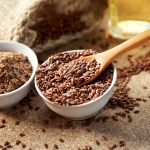
Here’s where things get interesting. For most people in the study, that omega-3 wasn’t coming from salmon or sardines. The bulk of that omega-3 was alpha-linolenic acid, the plant-based form found in something as unassuming as ground flaxseed or chia seeds.
A single tablespoon of ground flaxseed supplies roughly 2.3 grams, enough on paper to hit the number tied to the strongest benefit in this data. Fish still counts, and still matters for the other omega-3 types fish alone provides.
But a tiny seed most people have never thought twice about turned out to carry real weight in a disease that kills hundreds of thousands of people every year.
Liver-damaging habits nobody flags
While one overlooked nutrient was quietly helping, a handful of overlooked habits have been quietly working against the liver the entire time, and most of them aren’t the ones getting blamed.
Added sugar, especially the fructose in sodas, fruit drinks, and dessert-aisle staples, gets processed by the liver almost the same way alcohol does. A liver handling a steady stream of added sugar builds up fat just as surely as one handling regular drinks, which is part of why fatty liver disease shows up in people who don’t drink at all.
Ultra-processed food is another quiet contributor. Refined starches, inflammatory vegetable oils used at high heat, and the sheer calorie density of packaged snacks all push the liver toward the same fat storage pattern that defines this disease. None of these foods carry a warning label for liver health, which is exactly why they slip past people who are otherwise trying to eat well.
Chronic, even moderate, alcohol use compounds all of this. The liver processes alcohol before almost anything else, which means every drink is time the liver isn’t spending managing fat, sugar, or toxins from other sources.
Why the liver deserves far more attention
The liver runs the body’s metabolic switchboard, clearing toxins, regulating blood sugar, managing cholesterol, storing vitamins, and producing the proteins that keep blood clotting normally. Each of those jobs touches a disease people worry about separately: heart disease, diabetes, and even certain cancers.
That overlap is exactly why liver health groups have started calling fatty liver disease a warning sign for the entire metabolic system rather than a standalone diagnosis. Up to three-quarters of people with type 2 diabetes also have fatty liver disease. More than 70 percent of people living with obesity do too. A struggling liver rarely stays a liver problem for long.
Subtle signs a liver is already struggling
Fatty liver disease earned a reputation as a silent disease because early symptoms are easy to dismiss as something else entirely.
Persistent fatigue that doesn’t improve with sleep is one of the most common early signs, since a liver working overtime to manage fat and inflammation burns through energy the body would otherwise use elsewhere.
Mild, dull discomfort or a sense of fullness under the right ribs can show up as the liver enlarges, though many people mistake that discomfort for digestive upset. Brain fog and difficulty concentrating sometimes trace back to how a stressed liver handles toxins and blood sugar. Unexplained itchy skin, dark circles, or a sallow tone can reflect how well the liver is filtering waste products from the blood.
None of these signs confirm fatty liver disease on their own, and none replace a medical evaluation. But taken together, and especially alongside risk factors like extra weight around the middle or elevated blood sugar, they’re worth mentioning to a doctor rather than shrugging off.
Natural ways to support the liver
Add a daily source of plant-based omega-3. A tablespoon of ground flaxseed or chia seeds, stirred into oatmeal or a smoothie, moves the needle in a way most supplement aisles can’t match for the price.
Cut back on added sugar before cutting anything else. Sodas, sweetened coffee drinks, and dessert-aisle staples are often the single largest source of liver-taxing fructose in a typical diet, and trimming them tends to produce noticeable results within weeks.
Lean on organic bitter greens and cruciferous vegetables. Dandelion greens, arugula, and broccoli support the liver’s own detoxification enzymes, giving an already-burdened organ some backup.
Move daily, even briefly. Regular movement improves how efficiently the liver clears fat from the bloodstream, independent of weight loss, making a short daily walk worth more than an occasional intense workout.
Treat alcohol as an active liver stressor, not a reward. Cutting back, even without quitting entirely, gives the liver measurable breathing room to catch up on the rest of the workload.
Where to go from here
A disease that kills hundreds of thousands of people a year and affects nearly half the adult population deserves more than a shrug and a reminder to “eat better.” Nobody heals a liver on ‘eat healthier’ alone.
Jonathan Landsman’s Fatty Liver Docu-Class gets specific instead, covering the best foods to eat, proper lab testing advice, and easy-to-understand lifestyle strategies that most doctors fail to mention during routine exams.
Click here to own the Fatty Liver Docu-Class.
Sources for this article include:
RELATED NEWS

What happens while you sleep linked to your risk of 83 different diseases
(NaturalHealth365) You probably have a rough idea of how many hours you … What happens while you sleep linked to your risk of 83 different diseases
Will consuming fermented foods lower your heart disease risk
(NaturalHealth365) Thousands of years before refrigerators, herders noticed something odd about the … Will consuming fermented foods lower your heart disease risk
Unnoticed brain damage found in healthy adults linked to the foods filling most grocery carts
(NaturalHealth365) A granola bar on the way to work, a frozen meal … Unnoticed brain damage found in healthy adults linked to the foods filling most grocery carts
Unexpected way to lower heart attack risk takes less than 20 minutes a day
(NaturalHealth365) Most heart health advice sounds exhausting: hour-long workouts, strict diets, and … Unexpected way to lower heart attack risk takes less than 20 minutes a day