



Scientists confirm a surprising dietary link to vision problems

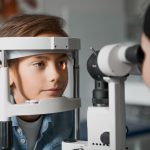 (NaturalHealth365) Nearsightedness is spreading faster than almost any other condition – especially for children. Globally speaking, projections suggest that half the world’s population will be myopic by 2050. Screen time and genetics dominate the conversation.
However, a major 2025 study now confirms that diet is the most overlooked cause to consider – especially in kids.
Researchers from the Chinese University of Hong Kong analyzed data from 1,005 children aged 6 to 8, drawn from the Hong Kong Children Eye Study. Each child underwent comprehensive eye examinations. Parents completed detailed food frequency questionnaires covering 280 food items.
After accounting for screen time, outdoor activity, and parental myopia history, only two dietary variables were consistently linked to myopia risk. Omega-3 fatty acids protected against the condition. Saturated fat intake worked against eye health.
Worth noting: The “saturated fat” in this study was most likely from conventionally produced, toxic sources. Most studies should clarify the quality of the food they use in a study, but they don’t.
Why the food on a child’s plate may matter as much as screen time
Among the 1,005 children, 276 – or 27.5% – had myopia. Children with the lowest omega-3 intake had significantly longer axial length – the key physical marker of myopia progression. Those with the highest intake had the shortest. Children with the highest omega-3 intake had 47% lower odds of having myopia after full adjustment for confounding factors.
No other nutrient – not vitamin D, not calcium, not protein – showed any significant association with myopia. Omega-3s were the only dietary factor that showed a protective effect.
The saturated fat finding was equally striking. Children consuming the most saturated fat – from conventionally raised butter, palm oil, and red meat – had longer axial lengths and more myopic refractions. Those consuming the least had the best measurements. This was also the first large-scale human study to directly establish these dietary associations.
Published in the British Journal of Ophthalmology in August 2025, the study concluded that omega-3 polyunsaturated fatty acids are a protective dietary factor against the development of myopia, whereas saturated fat intake has the opposite effect.
Key point: Why omega-3s appear to protect the eye
The biological mechanism the researchers proposed centers on blood flow and oxygen delivery to the eye. Omega-3 fatty acids increase circulation through the choroid – a vascular layer at the back of the eye that supplies oxygen and nutrients to the retina. When choroidal blood flow is adequate, the sclera – the white outer layer of the eye – receives sufficient oxygen. Scleral hypoxia, or oxygen deficiency in the sclera, is a well-established driver of the abnormal eye elongation that defines myopia.
On the other hand, this study suggests that excessive intake of saturated fat can promote insulin resistance. Researchers have linked insulin resistance to excessive axial elongation – the physical change in eye shape that makes distant objects appear blurry.
These findings matter well beyond the children studied. Global myopia rates have accelerated sharply over the past two decades worldwide. Standard prevention advice focuses on limiting screen time and increasing outdoor activity. Both matter. But the dietary guidance appears to be equally important.
Natural solutions for protecting vision through nutrition
The omega-3 findings point toward specific dietary additions that most families are not prioritizing for eye health.
Increase omega-3-rich foods consistently: Wild-caught salmon, sardines, mackerel, and anchovies are the most concentrated whole-food sources of EPA and DHA – the omega-3 forms most relevant to eye health. Two to three servings per week provide meaningful amounts. For children who do not eat fish, algae-based omega-3 supplements deliver the same fatty acids since fish get their omega-3s from algae anyway.
Avoid excessive intake of saturated fat – especially from toxic sources: Conventionally produced butter, palm oil, full-fat processed dairy, and heavily marbled red meat dominate fat intake in most Western diets. Replacing these with extra virgin olive oil, avocado, and oily fish shifts the dietary profile in the direction the research supports.
Support overall eye nutrition: Lutein and zeaxanthin – found in egg yolks, kale, and spinach – accumulate in the macula and shield from oxidative light damage. Vitamin A from orange and yellow vegetables supports retinal function. Additionally, zinc from pumpkin seeds and oysters plays a role in vitamin A metabolism within the eye.
What standard eye care is leaving out
Most optometrists and pediatricians do not discuss dietary factors during vision appointments. The focus stays almost entirely on screen time, lens corrections, and genetics. Meanwhile, the emerging evidence on nutrition receives almost no attention in standard care.
Vision loss is rarely sudden. Most deterioration happens slowly and well before anyone thinks to act. Jonathan Landsman’s Eye Health Docu-Class was built around that reality, bringing together holistic eye doctors and natural healthcare experts to cover what the standard annual eye exam never addresses.
You can expect to discover which nutrients are most effective at protecting the retina and macula. In addition, you’ll gain a better understanding about what quietly accelerates deterioration in eyesight and the warning signs that should not be ignored.
Editor’s note: If you’re looking for a high quality omega-3 supplement, I highly recommend LuvByNature Complete Vegan Omega.
Sources for this article include:
RELATED NEWS

Two of the clearest ways to avoid age-related vision loss
(NaturalHealth365) Few things feel as precious as seeing a grandchild’s face clearly … Two of the clearest ways to avoid age-related vision loss
Soothing daily cup linked to a longer life, researchers discover
(NaturalHealth365) As the evenings turn cool, few things feel as comforting as … Soothing daily cup linked to a longer life, researchers discover
Aging gracefully requires a surprising change to your dietary attitude
(NaturalHealth365) For years, the diet world has sounded like a shouting match, … Aging gracefully requires a surprising change to your dietary attitude
How your inflammation risk is connected to eating bell peppers
(NaturalHealth365) Bell peppers rarely get the same attention as oranges when people … How your inflammation risk is connected to eating bell peppers