



Dramatically lower your breast cancer risk with “strange” new food buying habits

 (NaturalHealth365) Most of us fill our grocery carts with the same dozen items week after week. The same apples, the same chicken breasts, the same bag of rice, simply because routine makes life easier.
Yet a new study of 1,200 women suggests that a familiar shopping list may be leaving real protection on the table. In fact, the women who broke out of that rut had far lower odds of breast cancer.
Why most plates look the same every week
Let’s face facts: habit drives most of what lands on our plates. We cook the handful of meals the family already likes and walk right past anything “strange” or unfamiliar. As a result, many people eat from a surprisingly short list of foods, week after week, year after year.
Grocery stores reinforce that narrow menu. Worldwide, about 75% of the food supply comes from just 12 plants and five animal species. On top of that, rice, corn, and wheat supply nearly 60% of the calories people get from plants.
Our choices have shrunk over time, too. A well-known comparison of seed records found that about 93% of vegetable seed varieties sold in 1903 had vanished by 1983. Cabbage alone dropped from 544 varieties to just 28.
Even the basics often fall short. According to government health agencies, only about one in eight American adults eats enough fruit, and only one in ten eats enough vegetables. So when an entire food system offers the same short list, adding variety takes a little intention.
Comparing the diets of 1,200 women
For the study, published in 2026 in Current Developments in Nutrition, researchers compared two groups of women between 2021 and 2023. Six hundred had just received a breast cancer diagnosis, while 600 women from the general population did not. Each woman completed a detailed 168-item questionnaire about what she had eaten over the previous year.
Next, the team gave every woman a dietary diversity score from 0 to 10. The score reflected how many different foods she ate across five major food groups, including fruits and vegetables, proteins, grains, and dairy. Rather than judging any single food, the score captured how wide a range of foods landed on each woman’s plate.
More variety meant lower odds, step by step
Women with the most varied diets had up to 59% lower odds of breast cancer than women with the least variety. Even moderate variety went along with about 42% lower odds. In fact, each one-point rise on the scale went along with about 10% lower odds.
Importantly, the researchers accounted for age at first period, menopause status, education, family income growing up, multivitamin use, and past noncancerous breast conditions.
Why a wider range of foods may protect breast tissue
Every plant food carries a unique mix of vitamins, minerals, fiber, and protective plant compounds. Berries supply anthocyanins, while broccoli offers sulforaphane, and beans deliver fiber plus folate. So the more foods you rotate, the broader the defensive toolkit your body can draw from.
Variety also feeds a healthier gut. Different types of fiber nourish different families of friendly bacteria, which help regulate inflammation and support healthy hormone balance. Meanwhile, a diet built on just a few staples tends to narrow both your nutrient intake and the bacteria living in your gut.
Easy ways to bring more variety to your plate
Add one new fruit or vegetable to your cart each week. Pick up something you rarely eat, such as a pomegranate, bok choy, or a delicata squash. Fall markets overflow with seasonal choices like pears, beets, and Brussels sprouts. Over a few months, those weekly additions can double the range of produce in your diet.
Rotate your proteins throughout the week. Instead of chicken every night, try wild-caught salmon one evening, organic pasture-raised eggs another, and a pot of organic lentils or black beans on a third. Each protein brings a different set of nutrients, from omega-3 fats to iron and fiber. Small swaps like these add variety without demanding new cooking skills.
Swap your usual grain for something new. Trade white rice for quinoa, farro, barley, or wild rice a few times a week. Whole grains bring fiber and minerals that refined grains lose during processing. Cook a big batch on the weekend so a different grain stays ready for quick meals.
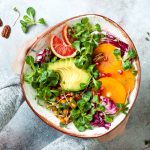
Eat the rainbow, then add herbs and spices. Aim for at least three different colors at each meal, such as red peppers, purple cabbage, and dark leafy greens. Fresh herbs like parsley and cilantro, along with spices like turmeric and cinnamon, count as variety too. Together, these small additions pack extra protective plant compounds into everyday dishes.
Breaking out of the same-meal rut
Unfortunately, the advice to avoid breast cancer tends to focus too much on what to “give up eating.” Yet this research points toward adding more to the plate rather than taking things away. So which new food will land in your cart this week?
Breast cancer remains one of the most common cancers among women, and diet ranks among the factors each of us can shape every day. Jonathan Landsman’s Stop Cancer Docu-Class details the best science-based strategies to help you avoid the risk of breast cancer naturally.
Click here to order the Stop Cancer Docu-Class today.
Sources for this article include:
RELATED NEWS

Will consuming fermented foods lower your heart disease risk
(NaturalHealth365) Thousands of years before refrigerators, herders noticed something odd about the … Will consuming fermented foods lower your heart disease risk
Unnoticed brain damage found in healthy adults linked to the foods filling most grocery carts
(NaturalHealth365) A granola bar on the way to work, a frozen meal … Unnoticed brain damage found in healthy adults linked to the foods filling most grocery carts
Overlooked eating mistake linked to fatty liver disease and cirrhosis
(NaturalHealth365) What time did you eat your last bite yesterday? For millions, … Overlooked eating mistake linked to fatty liver disease and cirrhosis
Research reveals how to stop cavities, tooth decay and gum disease naturally
(NaturalHealth365) You brush twice a day, floss most nights, and never miss … Research reveals how to stop cavities, tooth decay and gum disease naturally