



How to reduce muscle damage and improve your endurance naturally

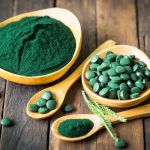 (NaturalHealth365) Generally speaking, inside the fitness world, people tend to focus on the workout routine and treat physical recovery like an afterthought. In fact, the typical advice for reducing muscle damage would be: stretch and rest. But new research suggests there’s a much better way to naturally protect our muscles and improve endurance, at the same time.
A massive new review just dragged part of that science out into the open, and the answer came from pond algae rather than the typical exercise recovery advice.
The pattern hiding inside twenty-two buried trials
Researchers at Beijing Sport University pooled data from 22 randomized trials testing spirulina, chlorella, and other algae in healthy adults and athletes. Creatine kinase, the blood marker doctors use to measure muscle damage, dropped significantly across the pooled trials. Spirulina drove a meaningful chunk of that drop, especially after resistance training.
Endurance told a separate story. Time to exhaustion improved with a large effect size, meaning people pushed through hard effort longer before hitting a wall. Maximum power output improved too, though by a smaller margin than the endurance gains.
Not every claim held up under scrutiny. Real-world time-trial performance, the kind that mirrors an actual race, showed no significant benefit. Chlorella beat spirulina on raw aerobic capacity, while spirulina carved out a clearer advantage against muscle damage and inflammation.
One trial buried inside the pooled data stands out. Runners who took spirulina for four weeks burned ten percent more fat and ten percent less carbohydrate during two hours of steady running compared with a placebo group. That shift let them push through a final sprint test longer before exhaustion, since fat stores lasted longer than sugar stores ever could.
What spirulina does that a rest day cannot
Hard exercise floods the body with reactive oxygen species, unstable molecules that tear into muscle cells. These molecules drive the soreness that shows up a day or two later. Spirulina carries phycocyanin, an antioxidant compound that neutralizes this damage before levels build up.
Less initial damage means less repair work for muscle tissue. That gap may explain why recovery markers moved faster in the spirulina groups. Spirulina also delivers highly absorbable iron and protein, nutrients tied to healthy oxygen transport during endurance efforts.
Smaller individual trials showed mixed results, with algae type, dose, and training background all shifting outcomes. That inconsistency means results will vary from person to person. Spirulina also lacks the phytates and oxalates that block iron absorption in many plant foods, which may explain why even non-anemic exercisers showed measurable hemoglobin shifts in some of the pooled trials.
Turning pond algae into an actual recovery strategy
Take spirulina consistently for weeks, not as a pre-workout gimmick. Most benefits in this research showed up after weeks of regular intake rather than a single amount beforehand. A daily gram or two mixed into a shake matches the amounts used in the strongest trials.
Lean on spirulina hardest around resistance training days. The clearest recovery benefit in this research showed up after weightlifting, more than after steady cardio. Timing intake around these harder sessions may offer the sharpest payoff.
Pair spirulina with real rest, never as a stand-in for sleep. Lower muscle damage markers still describe a body under genuine physical stress. Sleep, hydration, and rest days remain the foundation recovery depends on.
Track soreness and workout quality over a full month. Blood markers moved within weeks in this research, though felt improvements in soreness offer a more practical daily signal. A weekly note on how sore and ready muscles feel captures progress a lab test alone would miss.
Oxidative stress does not stop at the gym door
Reactive oxygen species do not distinguish between a hard workout and any other source of cellular stress. The damage follows the same biological pathway either way. Jonathan Landsman’s Immune Defense Summit includes presentations about the best ways to deal with cellular stress and oxidative damage, covering how energy production breaks down under strain and which foods and herbs actually calm that process.
The same online program covers gut health as a driver of immune strength, practical food and supplement strategies for daily immune support, and simple ways to test whether immune function is actually holding up under stress. The biology underneath a sore muscle and a body fighting chronic strain overlaps more than most exercise plans acknowledge.
Click here to own the Immune Defense Summit.
Sources for this article include:
RELATED NEWS

The easy way to lower your stress hormones
(NaturalHealth365) After a rough day, many people think a “tough” exercise session … The easy way to lower your stress hormones
Soothing daily cup linked to a longer life, researchers discover
(NaturalHealth365) As the evenings turn cool, few things feel as comforting as … Soothing daily cup linked to a longer life, researchers discover
One overlooked habit cuts heart-related death risk by more than a third
(NaturalHealth365) Think about the last time you stood in a lobby, glanced … One overlooked habit cuts heart-related death risk by more than a third
Aging gracefully requires a surprising change to your dietary attitude
(NaturalHealth365) For years, the diet world has sounded like a shouting match, … Aging gracefully requires a surprising change to your dietary attitude