



Avoid heart and blood sugar problems with a special seed in your diet

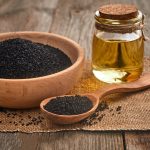 (NaturalHealth365) Black seed has been used to flavor bread and treat ailments across the Middle East and South Asia for thousands of years. Home cooks tucked black seed into kitchen cabinets long before anyone coined the word superfood.
Sadly, Western medicine ignores this tiny black seed until recently. Now researchers have pooled together the largest body of clinical evidence on black seed ever assembled. Three specific benefits stand out above the rest.
Black seed can reshape your cholesterol numbers
Researchers from multiple Iranian universities combined results from 82 randomized controlled trials, covering 5,026 participants total. Those trials were published between 2008 and 2024.
The review, published in September 2025 in Pharmacological Research, used the GRADE system to rate the certainty of every outcome. Amounts used ranged widely, from 200 milligrams to 4,600 milligrams a day.
Black seed supplementation improved cholesterol markers across the pooled data. LDL cholesterol and total cholesterol both dropped. Meanwhile, HDL cholesterol rose, with the strongest effects at higher amounts over longer stretches.
Blood pressure numbers can move in the right direction
That same 82-trial review found blood pressure improved alongside the cholesterol changes. Researchers described black seed as a promising adjunct for supporting heart health.
The review spans 16 years of trials. That scale gives the conclusion far more weight than any single study could carry alone.
Reduced blood pressure and improved cholesterol tend to move together in cardiovascular research. Black seed appears to influence both at once, and together the two changes point to a genuine effect on heart disease risk, not a coincidence limited to one marker.
Blood sugar control gets steadier too
A separate 2025 review focused specifically on people with type 2 diabetes. Black seed improved several cardiometabolic markers in that population as well. Fasting blood sugar responded favorably, alongside the same lipid improvements seen in the broader trial pool.
Notably, a pediatric study published the same year even found cardioprotective effects in children with type 1 diabetes.
Older research adds more detail to that picture. A crossover trial in overweight and obese women found black seed supplementation significantly reduced an inflammatory marker tied to insulin resistance. Reduced inflammation and steadier blood sugar tend to arrive together, which may help explain why the same seed shows up in both bodies of research.
Simple ways to start using black seed in your diet
Start with black seed oil stirred into food, not straight off a spoon. A teaspoon mixed into salad dressing, hummus, or a smoothie masks the strong, slightly bitter flavor most newcomers find surprising. Cold applications preserve more of the beneficial thymoquinone compound than high-heat cooking does. Building up from a half teaspoon daily gives the digestive system time to adjust.
Choose cold-pressed oil or whole seeds over capsules when possible. Whole black seeds can be toasted lightly and sprinkled over bread, rice, or roasted vegetables for a peppery, oregano-like flavor. Cold-pressed oil sold in dark glass bottles protects the active compounds from light degradation better than clear plastic packaging. Refrigeration after opening extends freshness significantly.
Give black seed several weeks before expecting to see changes. Most of the trials showing meaningful cholesterol and blood sugar improvements ran eight weeks or longer, with some extending to a full year. A single week of use rarely reflects what consistent daily intake can do.
Pairing black seed with an already healthy diet produced the clearest results across the research reviewed.
Why three benefits still are not a full heart strategy
Black seed does move cholesterol, blood pressure, and blood sugar in a helpful direction, but heart disease rarely comes from a single cause. Diet, gut health, toxin exposure, and stress all feed the same cardiovascular burden that black seed only partly addresses.
The truth is that no single seed, however impressive the data, rebuilds a heart that has been under strain for years. Jonathan Landsman built the Cardiovascular Docu-Class around that exact reality, digging past the pantry-level items into the lab testing, the inflammation triggers, and even the gum disease connection most cardiologists never bring up in a fifteen-minute appointment.
If black seed has you rethinking what belongs in your daily routine, Jonathan’s online program is where that thinking goes next.
Click here to own the Cardiovascular Docu-Class.
Sources for this article include:
RELATED NEWS

Fast blood pressure improvements just minutes away for you
(NaturalHealth365) Most of us assume we would feel something if our blood … Fast blood pressure improvements just minutes away for you
Unexpected gut damage caused by antibiotics combined with the wrong food choices
(NaturalHealth365) If you have ever filled an antibiotic prescription, you probably heard … Unexpected gut damage caused by antibiotics combined with the wrong food choices
Hidden heart attack risk detected on CT scan
(NaturalHealth365) Doctors who order a heart scan are usually hunting for one … Hidden heart attack risk detected on CT scan
The easy way to lower your stress hormones
(NaturalHealth365) After a rough day, many people think a “tough” exercise session … The easy way to lower your stress hormones