



Three ways consuming flaxseeds can help you avoid liver failure

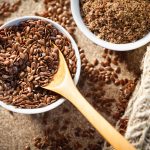 (NaturalHealth365) A spoonful of ground flaxseed stirred into oatmeal, or a smoothie, rarely feels like a serious medical intervention. Most people add flaxseed for fiber and call the habit finished. Yet a new clinical trial used detailed imaging to find out whether that small habit does more than most people assume.
Researchers gave flaxseed powder to adults with fatty liver disease and then scanned their livers to see what changed.
Fifty adults, twelve weeks, one clear difference
Published in Food & Function in 2025, this 12-week clinical trial included 50 adults diagnosed with nonalcoholic fatty liver disease. Half received 30 grams of flaxseed powder daily alongside standard health education, while the other half received health education alone.
Instead of relying only on blood tests, researchers used magnetic resonance imaging to measure liver fat directly. That method offers a far more precise picture than liver enzyme levels alone can provide. The results revealed three distinct ways the flaxseed group pulled ahead.
Breaking down what flaxseed did in the liver
Flaxseed directly reduced the fat stored inside liver tissue. By the end of the trial, imaging showed significantly greater reductions in liver fat among the flaxseed group compared with the education-only group. That reduction served as the study’s primary measured outcome.
Flaxseed shifted gut bacteria toward a combination that eases liver inflammation. Stool samples taken before and after the trial showed a meaningful rise in beneficial bacteria, including Bifidobacterium, in the flaxseed group. Gut bacteria and liver health connect through the gut-liver axis, easing the liver’s inflammatory burden when the balance improves.
Flaxseed lightened the liver’s overall metabolic workload. Blood sugar, cholesterol, and body composition measurements all improved alongside the drop in liver fat. A liver already working overtime to process excess sugar and fat gets some relief when those numbers improve elsewhere in the body at the same time.
The liver is just one part of flaxseed’s track record
Flaxseed research extends well beyond the liver, and this trial adds to a much larger body of evidence. The same ALA omega-3 fatty acids studied here have also been linked to healthier cholesterol and more balanced blood pressure in separate cardiovascular research.
Flaxseed also carries an unusually high concentration of lignans, plant compounds that act as mild phytoestrogens in the body. Some research points to a role in hormonal balance, particularly around menopause, while the fiber content separately supports regular digestion and feeds beneficial gut bacteria.
Adding flaxseed to a liver-supportive routine
Grind organic flaxseed fresh rather than buying pre-ground when possible. Whole flaxseeds pass through the digestive tract largely intact, so grinding releases the fiber and lignans in a form the body can actually absorb. A coffee grinder reserved for seeds works well and takes only a few seconds.
Start with a small amount and build up gradually. Two tablespoons daily matches the amount used in the featured trial, but jumping there immediately can cause digestive discomfort. Beginning with one teaspoon and increasing over two weeks gives the digestive system time to adjust.
Pair flaxseed with plenty of clean water throughout the day. The soluble fiber in flaxseed absorbs liquid as it moves through the digestive tract, and adequate hydration helps that fiber work comfortably. Stirring flaxseed into oatmeal, yogurt, or a smoothie makes that pairing effortless.
Fatty liver disease often develops silently for years
Fatty liver disease rarely causes noticeable symptoms early, since the liver can carry significant fat buildup without any obvious warning signs. Many people only discover a problem after routine bloodwork raises a flag, and by then the condition may have progressed considerably.
The Fatty Liver Docu-Class, hosted by Jonathan Landsman, focuses on that early detection gap most routine checkups miss. Sessions cover functional lab testing that catches liver stress years before standard panels flag a problem, the connection between insulin resistance and liver fat, and practical nutrition strategies for supporting liver function long-term.
Anyone with risk factors like excess weight or insulin resistance may want a clearer picture of what their liver is dealing with right now.
Click here to own the Fatty Liver Docu-Class.
Sources for this article include:
RELATED NEWS

Will consuming fermented foods lower your heart disease risk
(NaturalHealth365) Thousands of years before refrigerators, herders noticed something odd about the … Will consuming fermented foods lower your heart disease risk
Unnoticed brain damage found in healthy adults linked to the foods filling most grocery carts
(NaturalHealth365) A granola bar on the way to work, a frozen meal … Unnoticed brain damage found in healthy adults linked to the foods filling most grocery carts
Unexpected way to lower heart attack risk takes less than 20 minutes a day
(NaturalHealth365) Most heart health advice sounds exhausting: hour-long workouts, strict diets, and … Unexpected way to lower heart attack risk takes less than 20 minutes a day
Overlooked eating mistake linked to fatty liver disease and cirrhosis
(NaturalHealth365) What time did you eat your last bite yesterday? For millions, … Overlooked eating mistake linked to fatty liver disease and cirrhosis