



Lower your dementia risk by snacking on the right foods

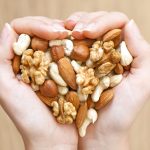 (NaturalHealth365) Most people treat nuts as occasional snacks or salad toppings, never considering that this simple dietary choice could determine whether they spend their final decades thriving independently or declining into disability and dementia. Western medicine offers no guidance on using food to prevent cognitive decline, focusing instead on pharmaceuticals that treat symptoms after damage has already occurred. Yet, new research reveals that eating nuts daily dramatically extends healthy lifespan in adults over 70, particularly protecting against the cascade of physical and mental deterioration that most doctors consider inevitable with aging.
A major study published in Age and Ageing tracked nearly 10,000 community-dwelling adults aged 70 and older for nearly four years, measuring how nut consumption affected disability-free survival, a composite measure of living without dementia, persistent physical disability, or death. The results showed that daily nut consumers had a 23% lower risk of reaching the endpoint than people who rarely or never ate nuts.
Comprehensive protection beyond just living longer
Researchers tracked whether participants developed dementia, lost the ability to perform basic daily activities like bathing or dressing, or required nursing home admission due to physical disability. This comprehensive measure captures what matters: maintaining independence and cognitive function in the final decades, not merely surviving longer in a diminished state.
The protection was particularly striking for people whose overall diet quality fell in the moderate range, not optimal but not terrible either. For these individuals, daily nut consumption reduced the risk of disability, dementia, or death by 29% compared to those eating nuts rarely or never. This suggests that adding nuts provides outsized benefits when your diet needs improvement but isn’t completely overhauled.
Growing evidence links a healthy snack to better brain protection
The findings align with mounting evidence linking nut consumption to brain protection. A systematic review found that regular nut intake was associated with 17% lower risk of cognitive decline among older adults. Research in the Nurses’ Health Study demonstrated that women who regularly consumed nuts showed better cognitive function and slower cognitive decline over time.
Beyond dementia protection, nuts provide the complete nutritional package older adults desperately need. They’re rich in plant-based protein, which is essential for maintaining muscle mass that declines rapidly after age 70. Nuts contain monounsaturated and polyunsaturated fats that support brain cell membrane integrity and reduce inflammation attacking neural tissue.
The unique nutritional profile protecting aging brains
Nuts are packed with vitamin E, a potent antioxidant that protects neurons from oxidative damage, and polyphenols that enhance nitric oxide production for healthy blood flow to the brain. In addition, the fiber content is critical, feeding beneficial gut bacteria that produce compounds that support brain health via the gut-brain axis.
The amino acid L-arginine is a precursor of nitric oxide, which improves blood vessel function throughout the body, including the brain. Higher brain nitric oxide levels are associated with lower Alzheimer’s risk, a connection conventional neurology completely ignores while pushing ineffective pharmaceutical interventions.
Simple strategies to maximize brain protection from nuts
Protecting your brain and extending a healthy lifespan through nut consumption requires consistent daily intake, not occasional snacking.
Make nuts a non-negotiable daily habit: Aim for two generous handfuls daily, about 60 grams total. Mix varieties, including almonds, walnuts, pistachios, and Brazil nuts, to obtain a diverse nutrient profile. You can add them to your favorite salad or eat a small amount as a snack.
Choose forms that work for your situation: Whole nuts provide maximum benefit, but nut butters work for people with dental issues that make chewing difficult. Avoid honey-roasted or salted varieties that add sugar and sodium. Plain roasted or raw organic nuts provide the greatest nutritional benefit. Raw sprouted nuts are best for digestibility.
Combine with other brain-protective foods: Enhance nut consumption with wild-caught fatty fish rich in omega-3s, colorful berries rich in anthocyanins, and dark leafy greens rich in folate. This combination addresses brain health through several complementary pathways.
Go beyond eating nuts for better brain function
Daily nut consumption represents one piece of comprehensive brain protection that Western medicine never discusses while pushing ineffective pharmaceutical interventions. Conventional neurology offers no real prevention strategies, waiting until cognitive decline is advanced before prescribing drugs that barely slow progression.
Jonathan Landsman’s Alzheimer’s and Dementia Summit brings together 31 leading scientists, researchers, and holistic doctors, revealing evidence-based approaches to better brain protection.
Discover why conventional amyloid plaque theory fails to explain or treat Alzheimer’s, learn which environmental toxins and infections trigger cognitive decline years before symptoms appear, understand advanced testing that detects dementia risk decades early, and get proven nutritional protocols for reversing early cognitive impairment before it progresses to full dementia.
Sources for this article include:
RELATED NEWS

Unnoticed brain damage found in healthy adults linked to the foods filling most grocery carts
(NaturalHealth365) A granola bar on the way to work, a frozen meal … Unnoticed brain damage found in healthy adults linked to the foods filling most grocery carts
Unexpected way to lower heart attack risk takes less than 20 minutes a day
(NaturalHealth365) Most heart health advice sounds exhausting: hour-long workouts, strict diets, and … Unexpected way to lower heart attack risk takes less than 20 minutes a day
Overlooked eating mistake linked to fatty liver disease and cirrhosis
(NaturalHealth365) What time did you eat your last bite yesterday? For millions, … Overlooked eating mistake linked to fatty liver disease and cirrhosis
Research reveals how to stop cavities, tooth decay and gum disease naturally
(NaturalHealth365) You brush twice a day, floss most nights, and never miss … Research reveals how to stop cavities, tooth decay and gum disease naturally