



Protect your liver health and mood with an uncommon plant medicine

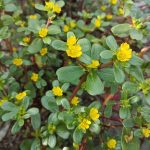 (NaturalHealth365) Pull up a weed from the garden bed, and the instinct is to toss the plant straight into the compost pile. That small, succulent-leafed intruder growing in the cracks of the sidewalk, the one thriving in every neglected corner of the yard without an invitation, has earned exactly zero respect for decades.
A newly published clinical trial suggests that instinct might be worth reconsidering entirely.
A 2026 trial links a backyard weed to mood and liver health
Researchers recruited adults with nonalcoholic fatty liver disease. Each participant received either a purslane extract or a placebo alongside regular care. The trial was published in the journal Health Science Reports.
Researchers tracked depression, anxiety, and stress scores throughout the study period. Every participant already carried the metabolic burden that comes with a struggling liver.
Purslane supplementation was linked to real improvements in mood. Participants receiving purslane showed reductions in feelings of stress and low mood compared to those on placebo. Weight measurements improved alongside the psychological findings, suggesting the benefits extended beyond mental health alone.
Researchers noted that addressing psychological wellbeing may matter more for liver disease recovery than most treatment plans currently account for. Chronic stress and mood disorders often worsen the very metabolic dysfunction driving fatty liver disease in the first place. A cycle that usually gets ignored may finally have a food-based remedy.
The same research team found something inside the liver
This was not the first time this research group turned attention to purslane. A 2024 trial from the same team appeared in Frontiers in Nutrition. Researchers gave NAFLD patients 700 milligrams of purslane extract daily for eight weeks.
Liver stiffness decreased significantly compared to placebo. So did the hepatorenal ultrasound index, another direct measure of fat buildup in the liver.
That earlier trial found the improvement reached statistical significance at a striking level. Imaging results showed measurable change after just two months.
Together, the two studies paint a coherent picture. The same plant researchers found calming the mind also appears to calm inflammation building up inside the liver.
A separate meta-analysis added further support. Researchers pooled ten trials on purslane and metabolic markers. The combined data showed consistent improvements in body weight and lipid profiles.
Three separate research efforts, spanning three different years, keep landing on the same overlooked plant.
Simple ways to bring purslane into the kitchen
Forage purslane directly from an untreated lawn or garden bed. Purslane grows wild across most of the United States, often appearing uninvited in vegetable gardens and sidewalk cracks. Harvest only from areas free of pesticide or herbicide treatment, and rinse thoroughly before eating.
The small, paddle-shaped leaves and reddish stems make identification straightforward once learned.
Add raw purslane to salads for a lemony, slightly crunchy bite. The leaves carry a mild tartness that pairs well with tomatoes, cucumber, and a simple vinaigrette. This combination has been common in Mediterranean and Middle Eastern kitchens for generations. Toss a handful into an existing salad with no recipe adjustments.
Sauté purslane the way you would spinach. Quick heat softens the leaves while preserving much of the nutrient content, including the alpha-linolenic acid behind some of the anti-inflammatory findings. Garlic and olive oil make a simple, traditional pairing that takes minutes to prepare.
Why liver health needs more than one plant can offer
Purslane clearly showed real promise across three separate studies, but fatty liver disease rarely develops from a single missing nutrient.
Insulin resistance, chronic inflammation, and toxin exposure all build together over years, long before a diagnosis arrives. A backyard weed addresses a genuinely meaningful piece of that picture, not the whole picture.
The Fatty Liver Docu-Class, hosted by Jonathan Landsman, was built around exactly what these small trials cannot fully cover. Functional lab testing that catches liver strain years before symptoms appear rounds out the material, alongside food-based strategies for reversing early fat buildup and the toxin exposures quietly adding to the burden.
If you’re encouraged by what a common weed just did in two separate trials, you might want a closer look at what else your liver needs.
Click here to own the Fatty Liver Docu-Class.
Sources for this article include:
RELATED NEWS

Unnoticed brain damage found in healthy adults linked to the foods filling most grocery carts
(NaturalHealth365) A granola bar on the way to work, a frozen meal … Unnoticed brain damage found in healthy adults linked to the foods filling most grocery carts
Unexpected way to lower heart attack risk takes less than 20 minutes a day
(NaturalHealth365) Most heart health advice sounds exhausting: hour-long workouts, strict diets, and … Unexpected way to lower heart attack risk takes less than 20 minutes a day
Overlooked eating mistake linked to fatty liver disease and cirrhosis
(NaturalHealth365) What time did you eat your last bite yesterday? For millions, … Overlooked eating mistake linked to fatty liver disease and cirrhosis
Research reveals how to stop cavities, tooth decay and gum disease naturally
(NaturalHealth365) You brush twice a day, floss most nights, and never miss … Research reveals how to stop cavities, tooth decay and gum disease naturally