



Problems in your gums reveal a hidden metabolic danger

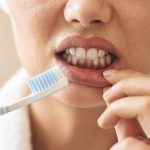 (NaturalHealth365) The mouth reveals secrets about your metabolic health that standard blood tests might miss. Research confirms a troubling two-way relationship: people with gum disease face a higher diabetes risk, while those with diabetes are three times more likely to develop gum disease.
With about 50% of adults worldwide affected by gum disease and one in nine adults living with diabetes globally, this connection affects hundreds of millions of people who remain unaware that their oral health directly influences their blood sugar control.
Dr. David Wu, instructor at Harvard School of Dental Medicine and program director of the Advanced Graduate Education Program in Periodontology, explains that elevated blood sugar creates the perfect environment for harmful oral bacteria to flourish. High glucose levels in saliva essentially feed the bacteria that destroy gum tissue, while simultaneously weakening the immune system’s ability to fight the resulting infection.
The inflammatory cycle that traps patients
The relationship between diabetes and gum disease creates a vicious cycle that Western medicine rarely addresses comprehensively. Persistently elevated blood sugar impairs the body’s ability to fight infections and promotes chronic inflammation in the mouth. This weakened immune response allows plaque buildup and the proliferation of harmful bacteria to go unchecked.
The inflammation doesn’t stay contained in your gums. It spills into the bloodstream, creating systemic low-grade inflammation that makes cells even more resistant to insulin, the hormone that regulates blood sugar. Research from Dr. Shiela Strauss at NYU’s College of Dentistry reveals that a staggering 93% of those with gum disease are considered at high risk for diabetes.
Pathogens such as Porphyromonas gingivalis actively manipulate the immune system to induce chronic inflammation. These bacteria produce enzymes called gingipains that damage tissues, provoke inflammatory cytokine release, and can even enter the bloodstream during everyday activities like chewing or brushing.
Once in circulation, these oral bacteria have been found in atherosclerotic plaque, contributing to cardiovascular disease, detected in the brains of Alzheimer’s patients, potentially seeding neuroinflammation, and documented to alter gut microbiome composition in ways that contribute to “leaky gut” and systemic immune activation.
Early warning signs most people ignore
Dr. Wu emphasizes that early gum disease symptoms are often painless, which explains why so many people dismiss them. Red, swollen gums that bleed during brushing or flossing represent your body’s first alarm. Persistent bad breath, gum tenderness, receding gum lines, and loose teeth signal that periodontal infection has already established itself.
The problem extends beyond visible symptoms. Dry mouth, affecting approximately 20% of the general population but much higher among people with diabetes, strips away saliva’s protective functions. Saliva naturally rinses food debris, neutralizes damaging acids, and contains antimicrobial agents. Many diabetes medications worsen dry mouth, compounding the problem by creating a more acidic environment where plaque accumulates rapidly, and teeth lose minerals.
Without adequate saliva, the mouth becomes hostile territory. Beneficial bacteria that normally crowd out pathogens and maintain neutral pH get displaced by acid-producing, inflammation-driving species. This microbial imbalance, called dysbiosis, affects metabolic health throughout the body.
Natural strategies for breaking the cycle
Conventional dentistry focuses almost exclusively on mechanical cleaning and antibiotics when infection occurs. While professional care matters, addressing root causes through natural approaches offers more sustainable protection.
Optimize your oral microbiome: The mouth harbors hundreds of bacterial species that should be balanced. Beneficial strains like Streptococcus salivarius and nitrate-reducing bacteria (Rothia, Neisseria) protect against pathogens while supporting cardiovascular and metabolic health. These bacteria convert dietary nitrates from leafy greens and beets into nitric oxide, vital for regulating blood pressure and enhancing mitochondrial function.
Support saliva production naturally: Stay well-hydrated throughout the day. Avoid medications that worsen dry mouth when safer alternatives exist. Consider oil pulling with coconut oil, an ancient practice that helps reduce harmful bacteria and support gum health.
Address nutritional deficiencies: Vitamin C strengthens gum tissue and supports immune function, while deficiency directly contributes to periodontal disease. Vitamin D modulates inflammatory responses and enhances the body’s ability to fight oral infections. Coenzyme Q10 improves oxygenation of gum tissue and healing. Omega-3 fatty acids from wild-caught fish reduce inflammatory signaling that drives both gum disease and insulin resistance.
Reduce inflammatory triggers: Eliminate refined sugars and processed carbohydrates that feed pathogenic bacteria and spike blood sugar. Include probiotic-rich fermented foods that support beneficial oral and gut bacteria. Avoid fluoride in toothpaste and mouthwash; natural alternatives with essential oils such as tea tree, peppermint, and clove offer antimicrobial benefits without toxicity.
Practice comprehensive oral hygiene: Brush at least twice daily with proper technique, focusing on the gumline where bacteria accumulate. Floss daily to remove plaque between teeth where brushes can’t reach. Use a tongue scraper to remove bacterial buildup. For people with diabetes, Dr. Wu recommends professional cleanings every three months rather than the standard twice-yearly schedule.
Discover holistic approaches to oral health
The diabetes-gum disease connection is just one example of how oral health affects systemic disease throughout the body. Up to 80% of disease symptoms are triggered by problems in the mouth that Western medicine routinely ignores.
Jonathan Landsman’s Holistic Oral Health Summit brings together 33 leading scientists, researchers, doctors, and nutritionists, revealing evidence-based approaches to dental health that prevent chronic disease.
Find out how hidden oral infections damage immunity and trigger cancer, autoimmune disorders, and heart disease, which dental procedures pose serious health risks that biological dentistry avoids, natural protocols for reversing gum disease and eliminating infections without antibiotics, the connection between root canal-treated teeth and systemic illness, and functional strategies for detoxifying mercury, fluoride, and other dental toxins.
Bottom line: If you have diabetes or gum disease, you’re caught in a vicious cycle affecting hundreds of millions worldwide, yet your doctor and dentist probably treat them as separate problems. But healing your gums can improve your blood sugar control by reducing inflammation throughout your body, while managing your diabetes protects your gums by limiting the sugar that feeds harmful bacteria.
Natural approaches that rebuild healthy bacteria in your mouth, support your saliva flow, and address your nutritional deficiencies provide lasting protection that conventional dentistry completely overlooks. Your mouth reveals what’s happening with your metabolic health, and protecting it naturally helps prevent disease throughout your body.
Sources for this article include:
RELATED NEWS

Shorter days linked to more dangerous infections
(NaturalHealth365) Every autumn, the days grow shorter, yet most of us barely … Shorter days linked to more dangerous infections
Two-minute nightly routine linked to fewer strokes, major study reveals
(NaturalHealth365) Be honest, how often do you actually floss? Most of us … Two-minute nightly routine linked to fewer strokes, major study reveals
Lower the risk of dementia with an age-old habit
(NaturalHealth365) There’s something special about curling up with a good book on … Lower the risk of dementia with an age-old habit
Soothing daily cup linked to a longer life, researchers discover
(NaturalHealth365) As the evenings turn cool, few things feel as comforting as … Soothing daily cup linked to a longer life, researchers discover