



Regulatory “limbo” leaves beauty product users exposed to serious risks

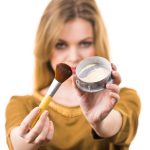 (NaturalHealth365) Every morning, millions of Americans apply foundation, blush, eye shadow, and face powder containing talc, a mineral that can harbor deadly asbestos fibers. Last week, the FDA quietly withdrew its proposed rule that would have required manufacturers to test talc-based cosmetics for asbestos contamination, leaving consumers without a way to know whether their daily makeup routine exposes them to cancer-causing fibers.
The decision stunned health advocates who’ve spent years pushing for basic safety standards. After all, this isn’t theoretical: Johnson & Johnson pulled its iconic baby powder from North American shelves following massive lawsuits and internal documents revealing the company knew about asbestos contamination risks for decades.
Regulatory retreat leaves consumers dangerously exposed
The FDA’s withdrawal affects far more products than most people realize. Beyond cosmetics, talc appears in candy, chewing gum, dietary supplements, and pharmaceutical tablets. The International Agency for Research on Cancer (ARRC) classifies talc potentially containing asbestos as “probably carcinogenic to humans,” yet the FDA still considers talc “Generally Recognized As Safe” for foods simply because it’s been used for so long – a stunning example of outdated policy trumping current science.
Linda Reinstein, president of the Asbestos Disease Awareness Organization, didn’t mince words about the agency’s retreat: “It puts the onus on Americans to have to try to identify consumer products that might be contaminated, and the average person can’t do that because you can’t know without testing.” She’s right. Without laboratory analysis, there’s absolutely no way to determine if the powder you’re brushing on your face contains microscopic asbestos fibers that could lodge in your lungs for decades before triggering mesothelioma or lung cancer.
The FDA claims it will eventually propose “a more comprehensive approach to reducing exposure to asbestos,” including identifying safer alternatives. But regulatory promises don’t protect you today, and cosmetic companies have no incentive to voluntarily test products that have been profitable for decades.
Europe takes action while American consumers remain at risk
The contrast with Europe couldn’t be starker. The European Union is banning talc in cosmetics entirely by 2027, prioritizing consumer safety over industry convenience. American women applying the same international makeup brands will continue using formulations banned overseas, a disturbing double standard that treats U.S. consumers as less worthy of protection.
Manufacturers lobbied against the testing requirement, claiming it would create unnecessary expenses and potential lawsuits from false positive results. But this argument reveals the industry’s priorities: protecting profit margins matters more than protecting consumers from a substance the World Health Organization confirms causes cancer with no safe exposure level.
Asbestos exposure doesn’t cause immediate symptoms. Fibers accumulate silently over years of daily use, potentially triggering aggressive cancers decades later when it’s far too late for prevention. Every day without mandatory testing represents another day of unchecked exposure for millions of Americans.
Clean beauty strategies to reduce toxic exposure
Protecting yourself requires taking matters into your own hands while regulatory agencies fail to act.
Choose verified talc-free products: Look for cosmetics explicitly labeled “talc-free” or cornstarch-based. Many clean beauty brands now use mica, rice powder, or arrowroot as safer alternatives. Check ingredient lists carefully – “talc” appears under various names, including talcum powder, cosmetic talc, or magnesium silicate.
Support brands with transparent testing: Some companies voluntarily test for asbestos and publish results. Seek out brands that provide third-party testing certificates and full ingredient transparency. Your purchasing power sends a message that safety standards matter.
Minimize powder product use: Consider cream-based cosmetics instead of pressed or loose powders. Liquid foundation, cream blush, and gel eye shadows eliminate inhalation risks entirely and often provide better coverage and a more natural finish.
Detoxify environmental exposures: Support your body’s natural detoxification systems through nutrition. Include organic cruciferous vegetables rich in sulforaphane, which enhances phase II liver detoxification. Ensure adequate glutathione production by supplementing with N-acetylcysteine and consuming selenium-rich foods such as Brazil nuts.
Understand your total toxic burden and how to reduce it
Cosmetic exposure represents just one piece of the toxic load most Americans carry daily. From pesticides in food to chemicals in cleaning products, we’re surrounded by substances that accumulate and compromise health over time.
If you’re serious about protecting yourself and reducing your toxic burden, get access to Jonathan Landsman’s Whole Body Detox Summit brings together 27 holistic experts, researchers, doctors, and nutritionists, revealing evidence-based approaches to reducing toxic burden.
Discover which environmental toxins pose the greatest cancer risk, advanced strategies for safely removing heavy metals and chemicals, how to optimize your body’s natural detoxification pathways, the connection between toxic overload and chronic disease, and functional lab tests that reveal your current toxic burden years before symptoms appear.
Bottom line: The FDA’s retreat on talc testing leaves Americans exposed to potential asbestos contamination in everyday cosmetics while Europe moves toward an outright ban. Without regulatory protection, you must take charge of your own safety by choosing talc-free products, supporting transparent companies, and understanding how cumulative toxic exposures affect long-term health. The cosmetic industry won this round, but informed consumers can still protect themselves.
How many other “safe” ingredients in your daily routine are accumulating in your body right now, waiting decades before revealing their true cost?
Sources for this article include:
RELATED NEWS

The “sweet” reason for accelerated aging hidden in plain sight
(NaturalHealth365) Biohackers spend thousands of dollars on peptide injections, NAD supplements, and … The “sweet” reason for accelerated aging hidden in plain sight
What forty years of cholesterol guidelines got wrong about your “risk” of a heart attack
(NaturalHealth365) Ask most doctors why a patient needs a statin, and the … What forty years of cholesterol guidelines got wrong about your “risk” of a heart attack
Alarming discovery in personal care products hidden from the public
(NaturalHealth365) How many times have you flipped a shampoo bottle over, scanned … Alarming discovery in personal care products hidden from the public
Non-antioxidant preservatives that increase your risk of a heart attack and stroke
(NaturalHealth365) Preservatives are in almost everything. They keep bread from molding, stop … Non-antioxidant preservatives that increase your risk of a heart attack and stroke