



Block cancer cell development by eating a medicinal herb, study reveals

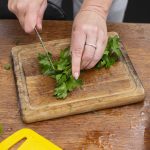 (NaturalHealth365) Most people walk right past parsley at the grocery store. Some buy a bunch, stick the bundle in the fridge, and forget the whole thing ever happened. Others have been cooking with parsley for years without ever realizing what this delicious herb is actually capable of. Parsley – the green that usually ends up as a garnish on the side of your plate – has just become the subject of some very important cancer research.
A new study published in Cancer Letters found that a natural compound in parsley, apigenin, can stop cancer cells from growing and spreading. Researchers tested it against one of the hardest cancers to treat – bladder cancer, which comes back in up to 70% of patients even after treatment. What they found was remarkable.
Apigenin targeted a specific protein that drives tumor growth and slowed cancer growth, all without harming healthy tissue. That last part is worth repeating. No healthy tissue damage. That’s something most cancer drugs cannot claim.
What Western medicine keeps getting wrong about cancer
The cancer industry has spent decades pouring money into expensive drug treatments that often cause serious harm to the very patients they’re trying to help. Meanwhile, natural compounds found in everyday foods have been quietly building a case in the scientific literature – a case that rarely gets the attention it deserves.
Apigenin is a perfect example. Research shows this compound can trigger cancer cell death, slow tumor growth, and block the signals cancer uses to spread through the body. While apigenin works in multiple ways at once, most pharmaceutical drugs target one single pathway. Nature, it turns out, is more sophisticated.
Parsley does far more than fight cancer
The benefits of parsley go well beyond what this one study found. This herb is loaded with vitamins K, C, and A. Vitamin K supports strong bones and healthy arteries, vitamin C powers your immune system and helps your body repair itself, and vitamin A protects your eyes and skin.
Parsley also fights inflammation, the slow, silent process that drives most serious chronic diseases, including heart disease, diabetes, and cancer. Parsley also supports kidney function, helps the body flush out toxins, and delivers a concentrated dose of antioxidants that protect your cells from daily damage.
All of this from a food that many people consider ‘just a garnish.’
Natural solutions: How to actually get enough parsley
Reading about a powerful herb is one thing, but getting enough into your body consistently is another. Here’s how to make parsley a real part of your daily routine:
Fresh juicing – the option most people overlook: Running a generous handful of fresh organic parsley through a juicer is one of the most effective ways to get a concentrated dose of the herb’s active compounds. Add a bunch of parsley to a green juice with cucumber, celery, lemon, and ginger. Many people who focus on natural health skip juicing entirely, and that’s an opportunity they can’t afford to miss.
Add it generously to meals: Don’t treat parsley like a decoration. Throw large handfuls into soups, smoothies, salads, grain bowls, and sauces. Make this herb a real ingredient, not an afterthought.
Parsley tea: Steep a big handful of fresh parsley in hot water for 10 minutes. This is a simple, inexpensive, and easy daily habit to build.
Always buy organic: This matters more than most people realize. Conventionally grown parsley can carry significant pesticide residue. If the goal is to support your health, loading your body with toxic chemicals at the same time defeats the purpose entirely. The same principle applies to your whole diet – organic food reduces the toxic burden your body has to deal with every single day, and that matters enormously for long-term health.
Discover what leading cancer experts already know
Apigenin is just one example of what the natural health world has long said: food and nutrition are serious cancer-fighting tools that Western medicine consistently undervalues. If a compound in a $2 bunch of parsley can stop tumor growth without harming healthy tissue, what else are we missing?
That question is worth pursuing seriously. Jonathan Landsman’s Stop Cancer Docu-Class was built around exactly that idea – gathering 22 of the most knowledgeable cancer doctors, and natural health experts in one place to share what they know about holistic treatment strategies. If parsley caught your attention today, the information in this docu-class will change the way you think about cancer entirely.
Sources for this article include:
RELATED NEWS

Hidden heart attack risk detected on CT scan
(NaturalHealth365) Doctors who order a heart scan are usually hunting for one … Hidden heart attack risk detected on CT scan
The easy way to lower your stress hormones
(NaturalHealth365) After a rough day, many people think a “tough” exercise session … The easy way to lower your stress hormones
Two of the clearest ways to avoid age-related vision loss
(NaturalHealth365) Few things feel as precious as seeing a grandchild’s face clearly … Two of the clearest ways to avoid age-related vision loss
Shorter days linked to more dangerous infections
(NaturalHealth365) Every autumn, the days grow shorter, yet most of us barely … Shorter days linked to more dangerous infections