



How eating beans will change your medical testing results

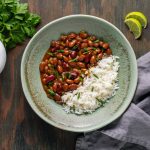 (NaturalHealth365) Grandmothers all over the world have said the same thing for generations: eat your beans, and eat them often. Sadly, doctors rarely echo that advice with any real urgency.
As tragic as this may be: fiber almost never gets mentioned during a medical checkup. Yet a sweeping new review found that a simple daily habit, adding roughly a half cup of legumes to meals, measurably lowered cholesterol and blood sugar levels. For anyone who has been handed a prescription instead of a grocery list, this message should act as a wake up call to make some changes.
The two lab numbers beans quietly improve
Researchers at the University of Otago combined results from 24 randomized trials. Together, the trials included 1,938 adults. Few reviews on legumes and heart health have pooled a larger sample.
Participants who added legumes, close to 86 grams a day, saw total cholesterol drop 0.23 mmol per liter, LDL cholesterol fell 0.16 mmol per liter, and fasting blood sugar dropped 0.18 mmol per liter compared with participants who skipped the beans.
The drop in LDL cholesterol showed up within six to twelve weeks in most trials. That pace matches what many statin users see in their own labs. Researchers rated the results as moderate certainty evidence, a GRADE ranking reserved for findings unlikely to be overturned later.
Beyond cholesterol: The ripple effect of eating more beans
Cholesterol and blood sugar are not the only reasons legumes deserve a spot on the plate. A single half-cup serving delivers roughly seven grams of fiber, more than most breakfast cereals claim per bowl. That fiber feeds beneficial gut bacteria and supports regular digestion, benefits that show up long before any lab test does.
Beans also carry potassium and magnesium, two minerals tied to healthy blood pressure.
Additionally, organic legumes pack plant protein without the toxic fat found in many conventionally produced animal foods, which makes them useful for anyone managing weight or cardiovascular risk. Research suggests that people who eat legumes regularly report feeling fuller longer after meals, which may support healthier portions elsewhere in the day.
Simple ways to make legumes part of the routine
Swap one starchy side for beans at least four nights a week. Replace a scoop of white rice or a dinner roll with a half cup of black beans, lentils, or chickpeas. Small swaps like that build the habit without adding extra food overall.
Soak dried beans overnight to improve digestion and unlock more nutrients. Soaking cuts cooking time and breaks down some of the compounds responsible for bloating.
Newcomers to legumes are far less likely to give up after one uncomfortable evening. A splash of apple cider vinegar in the soaking water can help further, and split peas or lentils will cook faster than other beans.
Pair legumes with other foods that support the same goals. Cooked beans, olive oil, walnuts, and leafy greens do more together than any one food manages alone. Magnesium-rich pumpkin seeds and potassium-rich avocado round out a plate built for steady blood sugar.
Research suggests variety across the week offers a broader benefit than one bean eaten on repeat. Together, additions like these turn one modest food swap into a broader plate-level strategy.
What beans cannot fix inside an overworked liver
Fasting blood sugar and cholesterol are not just heart numbers. Meanwhile, standard cholesterol and blood sugar panels rarely flag liver fat on their own.
Both track closely with liver fat, since an overworked liver often stores unprocessed sugar as fat once demand outpaces capacity. Beans lower those two numbers, but researchers never tested legumes against liver fat directly.
The Fatty Liver Docu-Class, hosted by Jonathan Landsman, focuses on exactly that blind spot. Presentations cover early liver warning signs missed on standard labs, plus food strategies aimed directly at liver fat. Lab testing that catches fatty liver disease years before symptoms appear rounds out the material.
Anyone who just added lentils to dinner may wonder what the liver still needs. This online program lays out real direction on exactly how to improve liver function naturally.
Click here to own the Fatty Liver Docu-Class.
Sources for this article include:
RELATED NEWS

Shorter days linked to more dangerous infections
(NaturalHealth365) Every autumn, the days grow shorter, yet most of us barely … Shorter days linked to more dangerous infections
Two-minute nightly routine linked to fewer strokes, major study reveals
(NaturalHealth365) Be honest, how often do you actually floss? Most of us … Two-minute nightly routine linked to fewer strokes, major study reveals
Lower the risk of dementia with an age-old habit
(NaturalHealth365) There’s something special about curling up with a good book on … Lower the risk of dementia with an age-old habit
Soothing daily cup linked to a longer life, researchers discover
(NaturalHealth365) As the evenings turn cool, few things feel as comforting as … Soothing daily cup linked to a longer life, researchers discover