



Discover the fruit compound scientists call the most exciting anti-aging discovery in decades

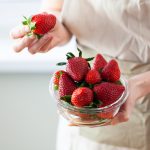 (NaturalHealth365) Something remarkable is happening in aging research right now, and most people have no idea. Scientists are zeroing in on a natural compound called fisetin – found in strawberries, apples, and a handful of other everyday foods – and the findings are turning heads across the research community.
Fisetin belongs to a class of plant pigments called flavonoids. What makes it different from the dozens of other antioxidants filling supplement shelves is a specific ability that researchers are only now beginning to fully understand: fisetin appears to target and clear out the worn-out cells that quietly drive the aging process from the inside.
The aging secret hiding in your cells
Every cell in your body has a lifespan. When cells get old or damaged, they’re supposed to self-destruct and get cleared away so healthy new cells can take their place. But as the body ages, this cleanup system breaks down. Old, dysfunctional cells, called senescent cells, start to accumulate in tissues throughout the body. And they don’t just sit there quietly.
These worn-out cells release a constant stream of inflammatory signals that damage surrounding healthy tissue, disrupt organ function, and accelerate the very aging process they resulted from. Researchers now believe this buildup of senescent cells is one of the primary drivers of age-related disease, from joint pain and muscle weakness to cognitive decline and cardiovascular problems.
Compounds that can selectively clear these cells are called senolytics, and fisetin has emerged as one of the most potent natural examples ever identified. A 2025 study published in Aging Cell – conducted at the University of Colorado – found that fisetin improved strength and reduced frailty markers to a degree comparable to pharmaceutical drugs specifically designed to remove senescent cells. That’s a striking result for a compound you can get from a bowl of strawberries.
What the human research shows
Human trials on fisetin are still in early stages, but two published studies are already noteworthy. In one clinical trial, stroke patients who received fisetin alongside standard treatment showed better outcomes than those who received standard care alone, with researchers crediting fisetin’s anti-inflammatory effects for extending the effective treatment window. In a separate placebo-controlled trial, colorectal cancer patients who took fisetin daily for seven weeks showed significant reductions in markers of systemic inflammation compared to the placebo group.
Multiple human trials are now underway – including studies focused on vascular function, physical decline, and frailty in older adults – reflecting how seriously the research community is taking this compound.
Natural ways to get more fisetin into your life
Make organic strawberries a daily habit rather than an occasional treat. Strawberries contain the highest concentration of fisetin of any common food, around 160 micrograms per gram. Fresh, organic strawberries are the best choice, both for fisetin content and to avoid the pesticide residues that conventionally grown berries are known for. Add them to smoothies, eat them with breakfast, or simply keep a bowl within easy reach.
Eat the apple skin – that’s where the fisetin lives. Organic apples are another solid source, and the flavonoids concentrate in the peel. Always choose organic varieties so you’re not trading a health benefit for a pesticide exposure. Other sources include onions, cucumbers, kiwis, mangoes, grapes, and tomatoes, all of which are easy additions to everyday meals.
Build a broader flavonoid foundation with your whole diet. Fisetin works best as part of a wider pattern of plant-rich eating. Quercetin – found in onions, capers, and dark berries – works through overlapping pathways. So does curcumin from turmeric, and the anthocyanins in blueberries and cherries. The research on senolytics points consistently toward variety rather than reliance on any single compound.
Reduce the sugar and processed foods that accelerate cellular aging. Excess fructose, refined carbohydrates, and seed oils drive oxidative stress and chronic inflammation that accelerate senescent cell accumulation. Getting more fisetin while maintaining a diet high in these foods is like bailing water from a sinking boat – helpful, but not enough.
The bigger picture on aging well
Fisetin is not a magic pill. But the science behind what makes us age faster and what slows that process down is getting clearer every year. Natural compounds that target the root causes of cellular aging, rather than just masking symptoms, represent exactly the direction cutting-edge longevity research is moving in.
If you want to understand more about what drives premature aging and the natural approaches that leading researchers are most excited about, Jonathan Landsman’s Stop Cancer Docu-Class brings together 22 holistic physicians and natural health experts who explore the deep connections among chronic inflammation, cellular dysfunction, and disease.
The same mechanisms driving accelerated aging are the ones fueling cancer risk, and the natural strategies that address one tend to support the other.
Sources for this article include:
RELATED NEWS

The easy way to lower your stress hormones
(NaturalHealth365) After a rough day, many people think a “tough” exercise session … The easy way to lower your stress hormones
Two of the clearest ways to avoid age-related vision loss
(NaturalHealth365) Few things feel as precious as seeing a grandchild’s face clearly … Two of the clearest ways to avoid age-related vision loss
Shorter days linked to more dangerous infections
(NaturalHealth365) Every autumn, the days grow shorter, yet most of us barely … Shorter days linked to more dangerous infections
Two-minute nightly routine linked to fewer strokes, major study reveals
(NaturalHealth365) Be honest, how often do you actually floss? Most of us … Two-minute nightly routine linked to fewer strokes, major study reveals