



Everyday vegetable quietly reverses liver damage, new human trial reveals

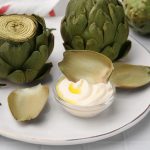 (NaturalHealth365) Most people think of artichokes as a restaurant appetizer or something you’d find at the bottom of a salad. What they don’t realize is that researchers have been quietly studying this vegetable for decades, and the results for liver health are some of the most consistent in natural medicine.
The liver is the hardest-working organ most people never think about. Every single day, the liver filters toxins from the blood, processes food and medications, regulates hormones, and manages fat metabolism. When the liver starts to struggle – from a poor diet, excess weight, chemical exposure, or the sheer daily toxic load of modern life – the damage builds silently. The liver has no pain receptors, so there are no warning signs until things have gone seriously wrong. That’s why one in four adults now has fatty liver disease, and the majority don’t know it.
Amazing discovery about eating artichokes and your liver function
A randomized, placebo-controlled trial published in October 2025 tested artichoke leaf extract on patients with metabolic-associated fatty liver disease scheduled for bariatric surgery. Using ultrasound and FibroScan technology to measure actual liver fat levels, researchers found that artichoke leaf extract significantly reduced liver steatosis – the medical term for fat accumulation in liver cells – and measurably decreased liver size compared to placebo.
This study adds to a body of human research that has been building for years. A meta-analysis of seven randomized controlled trials found that artichoke supplementation significantly reduced both ALT and AST – the two liver enzymes doctors use to assess liver damage – with the strongest effects observed within 8 weeks of daily use.
A separate double-blind human trial in 100 patients with fatty liver disease found that 600 mg of artichoke leaf extract daily for two months improved liver blood flow, reduced liver size, and lowered cholesterol markers, along with improvements in liver enzymes.
The active compounds driving these effects are cynarin and chlorogenic acid, antioxidant polyphenols found in artichoke leaves at far higher concentrations than in the vegetable itself. These compounds support bile production, which the liver needs to break down fats and eliminate waste. They reduce inflammation in liver tissue, protect liver cells from oxidative damage, and appear to directly support the liver’s ability to process and clear accumulated fat when metabolism is out of balance.
Natural solutions to support your liver starting today
Add whole artichokes to your meals regularly. The leaves and hearts both matter. Steamed or roasted artichokes are one of the most liver-friendly foods available, and they’re easy to prepare. The bitter compounds that give artichokes their distinctive flavor are the same ones that stimulate bile flow and support the liver. Aim for two to three servings per week as a consistent habit rather than an occasional treat.
Consider artichoke leaf extract as a concentrated daily supplement. The human trials showing significant liver improvements used extracts standardized to 600–1,800 mg daily, a level that’s difficult to reach through food alone. Look for standardized artichoke leaf extract at a reputable supplement retailer. Results in the clinical trials appeared within six to eight weeks of consistent daily use.
Build a broader liver-supportive diet around organic bitter foods. Artichokes work by stimulating bile production, and so do other bitter vegetables like dandelion greens, radicchio, endive, and arugula. Including a variety of bitter foods at meals is one of the most underused strategies for supporting liver function. Bitterness is the taste your liver loves most, and it’s the flavor most absent from the modern Western diet.
Reduce the dietary drivers of fatty liver. Fructose from sweetened drinks and processed foods, refined seed oils, and alcohol are the primary causes of liver fat accumulation. Reducing these inputs – even meaningfully without cutting them out completely – makes every supportive food and supplement work harder. No herb or extract can outrun a diet built on the foods that caused the problem in the first place.
Support your gut alongside your liver. The liver and gut are intimately connected through what researchers call the gut-liver axis. A disrupted gut microbiome sends inflammatory signals directly to the liver through the portal vein. Eating fermented foods, getting adequate fiber, and limiting antibiotic use unless absolutely necessary all support the gut environment the liver depends on to function well.
Your liver may be asking for help right now
Most liver disease develops without a single obvious symptom until the damage is significant. Fatigue that won’t resolve, stubborn weight around the midsection, poor digestion, brain fog, and hormonal imbalances can all trace back to a liver under pressure. The good news is that the liver is one of the few organs that can genuinely regenerate when given the right conditions and support.
Artichoke is a practical, affordable, and remarkably well-studied place to start.
If you’re ready to go deeper on what’s actually driving liver disease in most people and what the world’s leading natural healthcare providers recommend for supporting liver regeneration, Jonathan Landsman’s Fatty Liver Docu-Class is the next step.
Twenty-three presentations from holistic physicians and researchers reveal the early warning signs Western medicine misses, the gut-liver connection most doctors never address, the best natural protocols for reducing liver fat, and the daily steps that meaningfully protect your most hardworking organ.
Sources for this article include:
RELATED NEWS

Unspoken solution for cataracts, macular degeneration and diabetic neuropathy
(NaturalHealth365) An estimated 43.3 million people worldwide are completely blind. Shockingly, another … Unspoken solution for cataracts, macular degeneration and diabetic neuropathy
Elevated blood pressure can be triggered by poor dental health
(NaturalHealth365) Nearly half of American adults over 30 have some form of … Elevated blood pressure can be triggered by poor dental health
Fatty liver disease “treatment” advice to avoid for better health results
(NaturalHealth365) Liver cancer killed an estimated 484,000 people worldwide in 2021, a … Fatty liver disease “treatment” advice to avoid for better health results
How your inflammation risk is connected to eating bell peppers
(NaturalHealth365) Bell peppers rarely get the same attention as oranges when people … How your inflammation risk is connected to eating bell peppers