



Studies reveal how to lower blood pressure by drinking a delicious traditional beverage

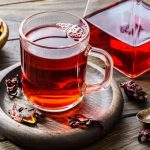 (NaturalHealth365) In Egypt, people brew karkade from a deep red flower and drink the tea at celebrations. In West Africa, the same flower turns into bissap. But, what’s really important to understand is how this traditional tea can help you with blood pressure concerns.
Mexican households call the drink agua de jamaica, and across the Caribbean, the same red brew becomes sorrel at Christmas. None of these traditions borrowed from one another, yet each of them reaches for the same plant to improve blood pressure readings.
A pattern too consistent across cultures to ignore
A team published an umbrella review in Complementary Therapies in Medicine in early 2025. The review compiled all reliable meta-analyses on hibiscus sabdariffa, the flower behind karkade, bissap, and jamaica.
Instead of running a fresh trial, the researchers combined results already gathered from thousands of participants across dozens of studies. Their goal was to settle years of conflicting headlines once and for all.
Earlier hibiscus trials had produced a frustrating mix of strong results and shrugs. Small sample sizes and inconsistent amounts made the picture blurry. But pooling everything together let a real signal separate from the noise for the first time.
The blood pressure numbers landed close to medication territory
Hibiscus lowered both systolic and diastolic blood pressure across the pooled data, and the drop scaled with the amount consumed. Researchers compared the effect directly against certain blood pressure medications and found the gap smaller than most people would expect from a beverage.
Few food-based interventions get anywhere close to that comparison.
The benefit also grew with time. People who kept drinking hibiscus for six weeks or longer saw stronger results than those who tried the tea briefly.
Older adults showed some of the largest improvements of anyone studied.
The heart was not the only system that responded
Cholesterol moved in the right direction too. Total cholesterol and LDL cholesterol decreased across the pooled trials, while HDL cholesterol increased modestly.
In addition, fasting blood sugar improved alongside those changes. That pattern suggests one flower was touching several connected systems at once, rather than fixing a single number in isolation.
Researchers pointed to the deep red anthocyanins in hibiscus as the likely thread connecting these results. Those same antioxidant compounds give the tea a distinctive color and much of the activity behind these findings. Their effects on inflammation and oxidative stress may explain why so many unrelated cultures noticed a heart benefit without ever knowing the underlying chemistry.
Turning centuries of tradition into a daily habit that works
Three cups of brewed hibiscus daily, steeped for at least five minutes, matched the range tied to the strongest results in this review. A standard tea bag holds roughly 1 to 2 grams of dried hibiscus, so three cups lands squarely in that window without any guesswork involved.
Cold brewing works as an alternative for anyone who finds hot tea unappealing in summer. The process takes several hours to extract a similar concentration of anthocyanins. Drinking hibiscus between meals rather than alongside them appears to support steadier absorption, based on patterns across the pooled trials.
One caution matters here. Anyone already taking blood pressure medication should speak with a doctor before adding daily hibiscus, since the two together can occasionally push numbers lower than intended.
What four unrelated cultures got right long before science caught up
Karkade, bissap, jamaica, and sorrel never needed a peer-reviewed journal to know something was working. The pooled data from this review essentially confirms what generations of home cooks already trusted, using tools those cooks never had access to. That kind of convergence between old tradition and new evidence is rare enough to take seriously.
Jonathan Landsman’s Cardiovascular Docu-Class picks up right where this medication comparison leaves off. Inside, holistic experts and researchers reveal natural protocols for blood pressure and cholesterol that go beyond a single cup of tea.
You will also find functional lab tests that catch arterial strain years before a prescription would ever be on the table.
Click here to own the Cardiovascular Docu-Class.
Sources for this article include:
RELATED NEWS

Unspoken solution for cataracts, macular degeneration and diabetic neuropathy
(NaturalHealth365) An estimated 43.3 million people worldwide are completely blind. Shockingly, another … Unspoken solution for cataracts, macular degeneration and diabetic neuropathy
Elevated blood pressure can be triggered by poor dental health
(NaturalHealth365) Nearly half of American adults over 30 have some form of … Elevated blood pressure can be triggered by poor dental health
Fatty liver disease “treatment” advice to avoid for better health results
(NaturalHealth365) Liver cancer killed an estimated 484,000 people worldwide in 2021, a … Fatty liver disease “treatment” advice to avoid for better health results
How your inflammation risk is connected to eating bell peppers
(NaturalHealth365) Bell peppers rarely get the same attention as oranges when people … How your inflammation risk is connected to eating bell peppers