



The heart disease strategy most doctors overlook to treat cause instead of symptoms

 (NaturalHealth365) Most people are told to “manage” high blood pressure, cholesterol, and blood sugar with three separate pharmaceutical interventions. In most cases, you rarely hear a doctor tell you any other way to address these metabolic issues.
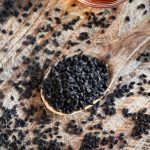
But a massive new analysis of more than 5,000 adults suggests a tiny black seed, already sitting in many spice cabinets, may do exactly the same thing without as much risk to your health.
A pooled analysis larger than nearly any study before this one
Researchers pooled results from 82 randomized controlled trials involving 5,026 adults and published their findings in Pharmacological Research in September 2025. The team was based across several Iranian universities and the Universal Scientific Education and Research Network.
Their goal was to settle a question smaller studies had left unresolved. Does Nigella sativa, commonly called black seed or black cumin, meaningfully improve the biological markers tied to heart disease?
The scale of this analysis puts the answer on far firmer ground than any single trial could. Every included study compared black seed against a placebo or standard care.
Researchers used a GRADE-assessed, dose-response method to separate genuine effect from statistical noise. Few natural compounds have been tested this thoroughly.
The numbers moved in the right direction across the board
Black seed supplementation significantly reduced body weight, body mass index, waist circumference, and body fat percentage compared with placebo. Blood pressure improved, with meaningful drops in systolic, diastolic, and mean arterial pressure. Heart rate also declined, a pattern often associated with lower cardiovascular strain.
Blood sugar control moved just as clearly. Fasting blood sugar, HbA1c, and post-meal glucose all improved, alongside better insulin sensitivity scores. Cholesterol markers followed the same pattern, with total cholesterol, LDL, and triglycerides dropping while protective HDL cholesterol increased.
Inflammation and liver markers told a consistent story
Beyond weight and blood sugar, black seed reduced several markers of chronic inflammation, including C-reactive protein and interleukin-6. Both markers are closely tied to artery damage over time. Vascular adhesion molecules, which signal how readily inflammatory cells stick to blood vessel walls, also dropped.
Liver enzymes including ALT and AST also improved, along with markers of antioxidant activity in the blood. Since the liver processes much of the body’s cholesterol and blood sugar, a calmer liver profile likely reinforces the other improvements seen throughout the analysis.
How to use black seed based on what the research shows
Ground black seed and black seed oil both appear in the research. Daily amounts in most included trials ranged from 1 to 3 grams of powder or 1 to 3 milliliters of oil.
One teaspoon of ground black seed contains roughly 4 grams, meaning a single daily teaspoon stirred into food lands squarely within the range used in studies. For those who prefer oil, a half teaspoon delivers close to 2 milliliters.
Add black seed to foods where the slightly peppery, earthy flavor already belongs. The seeds blend naturally into flatbread dough, roasted vegetables, yogurt-based sauces, and spice blends alongside cumin and coriander. Toasting the whole seeds briefly in a dry pan before grinding brings out more flavor and may improve absorption of the active compounds.
Give the process at least eight weeks before expecting to see changes in bloodwork. Most of the trials included in this analysis ran for two months or longer.
Short-term use of a week or two is unlikely to reflect what the research actually measured. Consistency, more than a large single dose, appears to produce positive results.
Why one seed touching so many systems matters
Heart disease rarely stems from a single broken number. Blood pressure, cholesterol, blood sugar, and inflammation all feed into each other.
That is exactly why a strategy moving all of them together carries more weight than one that isolates a single marker. Black seed’s consistent effect across this many pathways suggests the seed is working upstream, rather than patching one symptom at a time.
Jonathan Landsman’s Cardiovascular Docu-Class digs into exactly this kind of upstream thinking. Inside, holistic experts and researchers walk through functional lab testing that reveals inflammation and metabolic strain years before a diagnosis arrives.
You will also find natural protocols for addressing blood pressure, cholesterol, and blood sugar as connected problems rather than separate ones.
Click here to own the Cardiovascular Docu-Class.
Sources for this article include:
RELATED NEWS

Shorter days linked to more dangerous infections
(NaturalHealth365) Every autumn, the days grow shorter, yet most of us barely … Shorter days linked to more dangerous infections
Two-minute nightly routine linked to fewer strokes, major study reveals
(NaturalHealth365) Be honest, how often do you actually floss? Most of us … Two-minute nightly routine linked to fewer strokes, major study reveals
Lower the risk of dementia with an age-old habit
(NaturalHealth365) There’s something special about curling up with a good book on … Lower the risk of dementia with an age-old habit
Soothing daily cup linked to a longer life, researchers discover
(NaturalHealth365) As the evenings turn cool, few things feel as comforting as … Soothing daily cup linked to a longer life, researchers discover