



One simple eating habit helps to protect your memory, research reveals

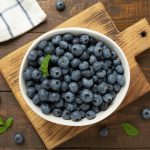 (NaturalHealth365) Can eating a handful of blueberries really help to protect your memories? New research reveals how a simple change to your eating habits can have profound effects on your brainpower.
In fact, a new scientific review just gathered the strongest human evidence yet on how eating blueberries can help you. These results would surprise most physicians.
Nine trials, 513 people, one signal worth noticing
Researchers combined results from nine randomized controlled trials involving 513 older adults. Every participant showed some degree of prior cognitive decline, ranging from subjective memory complaints to diagnosed mild cognitive impairment. Researchers searched three major databases to identify every qualifying trial published to date.
Here is where things get interesting. Blueberry intake produced a statistically significant improvement in episodic memory, the kind responsible for recalling specific events and experiences.
Language and linguistic memory also improved, reaching statistical significance specifically in participants with mild cognitive impairment.
Why a small blue fruit crosses a barrier most compounds cannot
Blueberries carry an unusually dense concentration of anthocyanins, the plant pigments responsible for their deep blue color. These compounds cross the blood-brain barrier, a filter that keeps most substances from reaching brain tissue directly. Few dietary compounds manage that crossing at all.
Once inside the brain, anthocyanins appear to calm inflammation and support communication between neurons involved in memory formation. Researchers also point to improved blood flow to memory-related brain regions as a likely contributing mechanism.
Multiple pathways working together may explain why the effect showed up so consistently. That kind of consistency across very different trial designs is exactly what makes researchers sit up and pay attention.
The upside that extends well past the brain
Brain health is not the only reason blueberries earned a spot in this research. The same anthocyanins studied for memory show up repeatedly in cardiovascular research too. Separate trials tie those compounds to healthier blood pressure and improved blood vessel function.
Blood sugar regulation improves as well, an effect researchers link to the same anti-inflammatory compounds doing double duty. A blood vessel that functions better throughout the body likely functions better inside the brain too. One small fruit keeps showing up across several different corners of aging research.
Simple ways to add more blueberries to a weekly routine
Eat a half cup of organic blueberries most days, fresh or frozen. Frozen organic blueberries retain nearly identical antioxidant levels to fresh and cost considerably less throughout the year. Tossing a handful into oatmeal, yogurt, or a smoothie takes seconds.
Choose wild or organic blueberries when the option exists. Wild blueberries carry a notably higher anthocyanin concentration than many conventionally farmed varieties. Organic choices also cut down on pesticide residue, one less burden on a body already managing inflammation.
Give blueberries several weeks before expecting to notice a difference. Most trials showing memory improvements ran eight weeks or longer, some extending past six months. Daily consistency mattered more in the research than any single large serving eaten occasionally.
What one fruit was never going to fully solve
Nine trials worth of blueberries cannot rewrite a family history of Alzheimer’s, undo years of unmanaged blood sugar, or fix a leaky gut that drives inflammation somewhere else entirely. A fruit that crosses the blood-brain barrier is genuinely remarkable. A fruit that catches every other thread feeding into memory loss is asking too much of one small berry.
Here is the piece a daily handful cannot cover. Jonathan Landsman created the Alzheimer’s and Dementia Summit around exactly that wider subject. Functional lab testing flags inflammatory and metabolic warning signs years before a formal diagnosis, paired with natural strategies for supporting long-term brain resilience.
A bowl of blueberries is a genuinely good place to start. But Jonathan’s online program will show you how to best improve your brain function in many effective ways.
Click here to own the Alzheimer’s and Dementia Summit.
Sources for this article include:
RELATED NEWS

Will consuming fermented foods lower your heart disease risk
(NaturalHealth365) Thousands of years before refrigerators, herders noticed something odd about the … Will consuming fermented foods lower your heart disease risk
Unnoticed brain damage found in healthy adults linked to the foods filling most grocery carts
(NaturalHealth365) A granola bar on the way to work, a frozen meal … Unnoticed brain damage found in healthy adults linked to the foods filling most grocery carts
Unexpected way to lower heart attack risk takes less than 20 minutes a day
(NaturalHealth365) Most heart health advice sounds exhausting: hour-long workouts, strict diets, and … Unexpected way to lower heart attack risk takes less than 20 minutes a day
Overlooked eating mistake linked to fatty liver disease and cirrhosis
(NaturalHealth365) What time did you eat your last bite yesterday? For millions, … Overlooked eating mistake linked to fatty liver disease and cirrhosis