



The overlooked green food that lowers your blood pressure naturally

 (NaturalHealth365) Sushi night usually gets credit for the fish, not the seaweed wrapped around the roll. However, new research suggests that seaweed and edible algae deserve much more attention.
A massive analysis pooling 29 clinical trials and 1,583 participants found that eating whole edible algae, the same category that includes nori, kelp, and spirulina, measurably lowers blood pressure.
What 29 trials revealed about a food most people overlook
Researchers based in the United Kingdom and Spain combined results from 29 randomized controlled trials. The study was published in the Journal of Human Nutrition and Dietetics in July 2025. Researchers tracked blood pressure changes in adults who ate edible algae compared with those who did not.
The results were clear. Systolic blood pressure, the top number in a reading, dropped by an average of 2 points. Similarly, diastolic pressure, the bottom number, fell by nearly 2 points. Notably, the benefit grew stronger in people who already had elevated blood pressure, exactly the group with the most reason to pay attention.
One variety of algae stood out from the rest
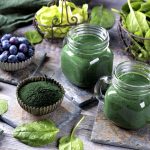
Spirulina, a blue-green algae sold as a powder in most health food stores, produced the strongest results by far. Systolic pressure dropped more than 5 points in the spirulina groups. Meanwhile, diastolic pressure fell nearly 4 points, an effect size that rivals what some blood pressure medications achieve in mild cases.
Timing and amount mattered too. Consuming more than 3 grams of algae daily for at least 12 weeks produced the clearest results. Meanwhile, researchers found something else worth noting: whole algae consistently outperformed algae extracts, suggesting the whole food carries something extracts leave behind.
Why whole algae may work where extracts fall short
Edible algae contain a combination of compounds working together, including potassium, antioxidant pigments, and peptides that support healthy blood vessel function. Nori and kelp also carry naturally occurring nitrates, the same compounds researchers have linked to improved blood flow in leafy greens like spinach and arugula.
Spirulina, meanwhile, brings a signature compound called phycocyanin, a blue pigment that researchers believe helps blood vessels relax.
That combination may explain why whole algae outperformed isolated extracts throughout the trials. Rather than one single compound driving the benefit, researchers suspect several mechanisms work together, relaxing blood vessels while also supporting the kidneys’ ability to manage sodium.
Natural solutions for supporting healthy blood pressure
Add spirulina to a smoothie or dried nori sheets to your diet. Spirulina powder blends easily into smoothies, and a teaspoon provides a meaningful daily amount without overwhelming the flavor. Additionally, dried nori sheets, the same kind wrapped around sushi rolls, make an easy snack straight from the package or crumbled over rice and salads.
Pair seaweed with other nitrate-rich vegetables for a broader blood vessel benefit. Organic beets, spinach, and arugula work through a similar pathway, supporting healthy blood flow from multiple angles at once. Together, rotating these foods through the week builds a more complete approach than relying on any single ingredient.
Track blood pressure at home to see whether the changes show up in your numbers. A basic home monitor, used at the same time each day, offers a clearer picture than an occasional reading at the doctor’s office. Notably, twelve weeks of consistent algae intake, the timeframe that produced results in the research, gives a realistic window for tracking real change.
Blood pressure rarely tells the whole story alone
Elevated blood pressure rarely causes symptoms until real damage has already begun. Meanwhile, Western medicine tends to treat the number in isolation. Medication often arrives without addressing the inflammation and vessel stiffness driving that number in the first place.
A food-based approach that works alongside the body’s own systems offers something different.
The Cardiovascular Docu-Class, hosted by Jonathan Landsman, covers the root causes behind high blood pressure that standard checkups often miss. Sessions include functional lab testing that reveals vascular health years before a diagnosis arrives. A spirulina smoothie moves one number. Jonathan’s online presentations cover what moves the rest.
Click here to own the Cardiovascular Docu-Class.
Sources for this article include:
RELATED NEWS

Dramatically lower your breast cancer risk with “strange” new food buying habits
(NaturalHealth365) Most of us fill our grocery carts with the same dozen … Dramatically lower your breast cancer risk with “strange” new food buying habits
What happens while you sleep linked to your risk of 83 different diseases
(NaturalHealth365) You probably have a rough idea of how many hours you … What happens while you sleep linked to your risk of 83 different diseases
Will consuming fermented foods lower your heart disease risk
(NaturalHealth365) Thousands of years before refrigerators, herders noticed something odd about the … Will consuming fermented foods lower your heart disease risk
Unnoticed brain damage found in healthy adults linked to the foods filling most grocery carts
(NaturalHealth365) A granola bar on the way to work, a frozen meal … Unnoticed brain damage found in healthy adults linked to the foods filling most grocery carts