



Two of the clearest ways to avoid age-related vision loss

 (NaturalHealth365) Few things feel as precious as seeing a grandchild’s face clearly or getting lost in a good book. Yet age-related macular degeneration, a leading cause of vision loss in older adults, slowly erodes that sharp central vision.
Amid so much conflicting advice, a sweeping new review set out to separate solid evidence from wishful thinking. Encouragingly, two of the clearest protectors turned out to be foods you can find in any grocery store.
Only a handful of protectors passed the toughest test
Researchers pooled 27 separate meta-analyses covering 53 possible risk factors for macular degeneration, then graded the trustworthiness of the evidence for each one. Published in Frontiers in Medicine in June 2026, the umbrella review found that most factors rested on weak or uncertain evidence. In fact, only three protective factors reached moderate-quality evidence, the highest level any protector achieved.
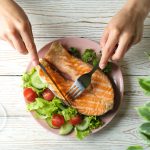
Two of those three came straight from the kitchen, starting with fish, which was linked to a 24% lower risk of macular degeneration. Even one serving a week was linked to an 11% lower risk. Meanwhile, people with the highest blood levels of lutein and zeaxanthin, the natural pigments in leafy greens and egg yolks, had about 47% lower odds.
Fish feeds the most delicate tissue in your eyes
The macula, the small central part of the retina, packs in an extraordinary concentration of light-sensing cells. Those cells rely heavily on DHA, an omega-3 fat found in fatty fish, to keep their membranes flexible and working well. Research suggests omega-3s also help calm the low-grade inflammation that can damage the retina over time.
Interestingly, the review found protective links for omega-3 intake from all sources as well, although the evidence was weaker. Fish delivers those healthy fats along with protein, vitamin D, and selenium in one simple package. That combination may explain why eating fish regularly stood out so clearly.
Lutein and zeaxanthin work like built-in sunglasses
Lutein and zeaxanthin collect in the macula, where they give the area a faint yellow color. There, they filter harsh blue light and neutralize damaging molecules before those molecules can harm delicate retinal cells. Because the body can’t make these pigments, we must get them from food.
Kale, spinach, collard greens, and Swiss chard rank among the richest sources, while egg yolks offer a form that the body absorbs especially well. Orange and yellow foods like corn, orange peppers, and squash add smaller amounts. The review also found weaker but encouraging links for a Mediterranean-style diet and other colorful carotenoids, such as the lycopene in tomatoes.
Daily habits shape the future of your sight
Beyond food, physical activity also reached moderate-quality evidence, with active people showing 41% lower odds of late-stage disease. On the other side of the ledger, smoking stood out as by far the biggest risk factor, followed by diabetes and high blood pressure.
The same habits that protect your heart and brain also appear to protect your eyes. That means every colorful salad and every fish dinner may be an investment in the vision you’ll rely on for decades.
Feeding your eyes for a lifetime of clear vision
Put fish on the menu at least twice a week. Wild-caught salmon, sardines, mackerel, and herring are rich in omega-3 fats and low in contaminants. Since even one weekly serving is linked to lower risk, start there if fish is new to you. Canned wild salmon and sardines make quick, affordable options for busy days.
Editor’s note: At NaturalHealth365, we always recommend wild-caught fish over farm-raised. Farmed fish can carry higher levels of contaminants and antibiotic residues. We also recommend choosing organic produce whenever possible to limit exposure to pesticide residues.
Eat dark leafy greens every day. Toss spinach into morning eggs, add kale to soups, or sauté collard greens with garlic and olive oil. Because lutein and zeaxanthin dissolve in fat, eating greens with olive oil or avocado helps your body absorb more of them.
Enjoy pasture-raised eggs regularly. Egg yolks deliver lutein and zeaxanthin in a form the body absorbs especially well, along with eye-friendly vitamins. Pasture-raised hens often produce yolks with richer color and nutrient content. A veggie omelet with spinach and peppers covers several eye-protecting nutrients at once.
Protect your eyes outside the kitchen. Stay active, keep blood sugar and blood pressure in a healthy range, and avoid tobacco smoke entirely. Regular eye exams also help catch early changes while there’s still time to act. Look for a holistic optometrist or ophthalmologist.
Don’t underestimate the power of nutrition to protect your vision
Most people assume vision loss simply comes with age, yet everyday choices appear to tip the odds in your favor.
To learn more natural ways to protect your eyes, Jonathan Landsman’s Eye Health Docu-Class explores practical strategies for clear vision. So the next time you plan dinner, reach for wild-caught salmon and a generous helping of organic greens.
Click here to own the Eye Health Docu-Class today.
Sources for this article include:
RELATED NEWS

Aging gracefully requires a surprising change to your dietary attitude
(NaturalHealth365) For years, the diet world has sounded like a shouting match, … Aging gracefully requires a surprising change to your dietary attitude
What years of nitrate warnings got wrong about your cancer risk
(NaturalHealth365) Nitrate and nitrite sound like the same word split two different … What years of nitrate warnings got wrong about your cancer risk
Lower your body’s toxic load with a simple, natural solution
(NaturalHealth365) Wildfire smoke can drift across entire regions, and every time you … Lower your body’s toxic load with a simple, natural solution
Food warning: Your depression risk is connected to what’s on your plate
(NaturalHealth365) Generally speaking, the advice you get for depression is: make a … Food warning: Your depression risk is connected to what’s on your plate