



Lower your body’s toxic load with a simple, natural solution

 (NaturalHealth365) Wildfire smoke can drift across entire regions, and every time you fill up your car, you’re exposed to invisible fumes. In addition, let’s not forget secondhand smoke – which is hard to escape. These everyday exposures contain chemicals like benzene and acrolein. In truth, avoiding them completely is impossible.
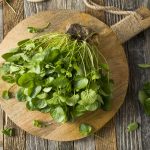
But there’s a simple way to help your body deal with some of that exposure. In a randomized clinical trial at the University of Minnesota, researchers examined whether a common vegetable could help the body eliminate these toxic chemicals more efficiently. What they found was surprisingly significant.
A crossover trial reveals how to effectively clear away toxins
Researchers recruited 240 adults for a crossover trial. Every participant spent two weeks drinking a beverage made from freeze-dried watercress, then two weeks drinking a matched placebo, with a month-long break in between. 188 participants completed the trial with full compliance. Researchers measured urinary mercapturic acids, byproducts created when the body is exposed to environmental toxins.
Because each person served as their own comparison, differences in genetics, diet, or lifestyle couldn’t explain away the results. Only the presence or absence of watercress changed.
How much stronger detoxification actually became
Detoxification byproducts for six separate environmental toxicants rose significantly during the watercress phase compared with placebo. Two jumps stood out clearly. Acrolein detoxification rose 65.6 percent, and benzene detoxification rose 37.3 percent, both reaching strong statistical significance.
Neither chemical is obscure. Heating oil past the smoke point releases acrolein directly into kitchen air, and the same compound comes from wildfire smoke and vehicle exhaust. Benzene shows up at gas pumps, in exhaust fumes, and in tobacco smoke.
International health authorities classify both as carcinogenic or likely carcinogenic to humans.
The plant compound driving the detox effect of watercress
Watercress carries an unusually concentrated dose of a plant compound called phenethyl isothiocyanate, or PEITC. Researchers believe PEITC drives this entire effect. PEITC activates the glutathione detoxification pathway, one of the body’s primary systems for neutralizing toxic compounds and flagging them for removal.
That pathway runs constantly in the background regardless of diet. PEITC appears to rev up that activity considerably.
Three daily servings of the watercress drink delivered roughly 40 milligrams of PEITC, an amount achievable through concentrated watercress rather than an extract or pill.
Exposure sources that rarely make anyone’s radar
A handful of everyday situations deliver meaningful doses of these same toxicants. Most people never connect the dots.
Sitting in traffic with the windows down exposes commuters to concentrated exhaust, often at levels higher than standing at the roadside. Searing meat or deep frying heats oil well past the smoke point, generating acrolein right in the kitchen.
In addition, refueling at a gas pump delivers a brief but genuine benzene exposure nobody thinks twice about. And finally, wildfire smoke, now a recurring seasonal event across much of the country, carries both compounds at levels that spike during active fires.
Built-in defenses worth paying more attention to
Nobody can completely eliminate exposure to every toxicant in the environment. That’s why supporting the body’s own clearance systems can be just as important as reducing exposure in the first place.
The glutathione pathway targeted in this trial is already working around the clock, helping the body process and clear the low-level toxicant exposure most people encounter simply by living in the modern world. A food that can measurably strengthen this system works with the body’s natural biology, supporting a process already designed to handle this job rather than working against the body’s existing mechanisms.
Making this practical without an extract or pill
Add raw organic watercress to salads several times a week, choosing the freshest bunches available. Fresh watercress carries the highest concentration of PEITC.
Blend watercress into a smoothie for a milder-tasting version. The peppery bite mellows considerably when paired with fruit.
Pair watercress with other PEITC-containing vegetables like broccoli sprouts and arugula. Rotating between them keeps meals varied while still feeding the same pathway.
Lean on watercress more heavily around known exposure, like a smoky day outdoors or a long commute. The body’s detox systems work continuously, but timing intake this way lines up with how the mechanism actually operates.
Living with exposure nobody can fully avoid
Nobody gets to opt out of breathing the same polluted air as everyone else, sitting in the same traffic, or living through the same wildfire seasons. What genuinely remains within reach is a grocery-store food that works with the body’s own chemistry, supporting the biology already designed to handle everyday exposure.
That’s the focus of Jonathan Landsman’s Whole Body Detox Summit. This online summit explores food-based strategies for supporting the body’s detoxification pathways, along with many other natural ways to lower your toxic burden safely and effectively.
Click here to own the Whole Body Detox Summit.
Sources for this article include:
RELATED NEWS

Two of the clearest ways to avoid age-related vision loss
(NaturalHealth365) Few things feel as precious as seeing a grandchild’s face clearly … Two of the clearest ways to avoid age-related vision loss
Aging gracefully requires a surprising change to your dietary attitude
(NaturalHealth365) For years, the diet world has sounded like a shouting match, … Aging gracefully requires a surprising change to your dietary attitude
What years of nitrate warnings got wrong about your cancer risk
(NaturalHealth365) Nitrate and nitrite sound like the same word split two different … What years of nitrate warnings got wrong about your cancer risk
Food warning: Your depression risk is connected to what’s on your plate
(NaturalHealth365) Generally speaking, the advice you get for depression is: make a … Food warning: Your depression risk is connected to what’s on your plate