



Reduce lung cancer risk by 41 percent by eating six key nutrients

 (NaturalHealth365) Forty-one percent. In a study of hundreds of thousands of adults, that’s how much lower lung cancer risk ran among people who ate the most antioxidant-rich diets.
Remarkably, a second, separate study found an even wider gap, with risk falling by more than half. So the bright colors on your dinner plate may be doing far more for your lungs than anyone realized.
Two very different studies reached the same conclusion
In research published in October 2026 in the European Journal of Epidemiology, scientists analyzed two large groups. The first was the UK Biobank, which tracked about half a million British adults for up to 13 years. The second compared people newly diagnosed with lung cancer to cancer-free adults from a large health study.
In both groups, participants completed detailed diet questionnaires. Next, the researchers scored each diet on six antioxidant nutrients, including vitamins A, C, E plus zinc, selenium and manganese. Rather than focusing on a single vitamin, the scores captured the diet’s overall antioxidant power.
The highest intakes brought the biggest protection
Among UK adults, the top third of antioxidant intake was associated with a 41% to 44% lower lung cancer risk than the bottom third. Meanwhile, the second study found 46% to 57% lower odds of lung cancer among people with the most antioxidant-rich diets. Importantly, these links held up across every subgroup and extra check the researchers ran.
Of course, both studies were observational, so they show a strong link rather than proof of cause. Still, finding the same pattern in two very different populations makes the results harder to dismiss. The authors concluded that eating more antioxidant-rich foods could play a meaningful role in lung cancer prevention.
Why antioxidants matter so much to your lungs
Your lungs are constantly exposed to oxygen, pollutants, smoke, and airborne chemicals. Each can create unstable molecules called free radicals, which damage cells and DNA over time. Antioxidants help neutralize free radicals before the damage builds up.
Additionally, vitamin C and vitamin E work as a team, with one helping to recharge the other. Zinc and selenium power the body’s own antioxidant enzymes, which act like a cleanup crew inside every cell. So when your diet supplies all of these nutrients together, your lungs gain several layers of defense at once.
Everyday ways to build an antioxidant-rich plate
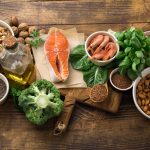
Fill half your plate with deeply colored organic produce. Bell peppers, broccoli, kiwi, citrus, and berries deliver plenty of vitamin C. Meanwhile, carrots, sweet potatoes, spinach, and kale provide beta-carotene, which your body converts to vitamin A. Aim for at least three different colors at every meal to cover a wide range of antioxidants.
Add vitamin E from seeds, greens, and healthy fats. Sunflower seeds, avocados, spinach, and extra virgin olive oil all deliver this fat-soluble antioxidant. Because vitamin E needs fat to absorb well, drizzling olive oil over vegetables helps. Sprinkling pumpkin seeds over a salad adds a bonus dose of zinc.
Eat zinc- and selenium-rich foods several times a week. Wild-caught sardines and salmon, pasture-raised organic eggs, grass-fed beef, mushrooms, and pumpkin seeds supply both minerals. Many people also take a quality vitamin C and zinc supplement during the colder months for extra support. However, smokers should skip high-dose beta-carotene pills, which raised lung cancer risk in earlier trials. Food sources of vitamin A remain the better choice.
Protect the air you breathe. Test your home for radon, an invisible gas and a leading cause of lung cancer in nonsmokers. Run a HEPA air purifier in the bedroom, open windows when you cook, and avoid secondhand smoke. Together with a colorful diet, cleaner air gives your lungs their best chance.
Cancer prevention happens three times a day
Most people think of cancer prevention as something that happens in a doctor’s office, through scans and screenings. Yet this research suggests that some of the most powerful protection happens at the kitchen table. So how many colors did you put on your plate today?
Lung cancer often develops silently for years before any symptoms appear. To learn more natural, science-based strategies to lower your cancer risk, check out Jonathan Landsman’s Stop Cancer Docu-Class. Your next meal is a perfect place to start building stronger defenses.
Click here to order the Stop Cancer Docu-Class today.
Sources for this article include:
RELATED NEWS

Myth exposed about thyroid dysfunction and the “wrong” kind of vegetables
(NaturalHealth365) For years, people with a sluggish thyroid have heard the same … Myth exposed about thyroid dysfunction and the “wrong” kind of vegetables
Fast blood pressure improvements just minutes away for you
(NaturalHealth365) Most of us assume we would feel something if our blood … Fast blood pressure improvements just minutes away for you
Unexpected gut damage caused by antibiotics combined with the wrong food choices
(NaturalHealth365) If you have ever filled an antibiotic prescription, you probably heard … Unexpected gut damage caused by antibiotics combined with the wrong food choices
Hidden heart attack risk detected on CT scan
(NaturalHealth365) Doctors who order a heart scan are usually hunting for one … Hidden heart attack risk detected on CT scan