



Going way beyond pharmaceutical drugs to improve your immune system

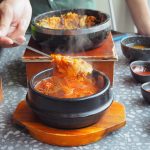 (NaturalHealth365) The pharmaceutical industry has spent billions developing drugs claiming to boost immunity or suppress inflammation, yet a centuries-old Korean fermented vegetable dish accomplishes both simultaneously – something no patented medication has achieved. Kimchi, long dismissed by Western medicine as merely ethnic cuisine, demonstrates precise immune regulation that modern immunology is only beginning to understand.
Research published in npj Science of Food used advanced genetic analysis to examine exactly how kimchi affects individual immune cells. The results challenge fundamental assumptions about immune function and reveal why traditional fermented foods offer therapeutic benefits that pharmaceutical companies cannot replicate.
What researchers discovered about intelligent immunity
Scientists followed 39 overweight adults over 12 weeks, dividing participants into three groups: placebo, naturally fermented kimchi powder, or starter-culture fermented kimchi powder. Using single-cell technology, researchers analyzed nearly 90,000 individual immune cells to track precise cellular behavior.
People who consumed kimchi showed dramatically increased activity in antigen-presenting cells – specialized immune cells that recognize bacteria, viruses, and abnormal cells, then alert the rest of the immune system to respond. These cells function as your immune system’s intelligence network, determining which threats require attack and which substances pose no danger.
Simultaneously, kimchi consumption improved the balance in helper T cells coordinating immune responses. These cells attack threats and also regulate responses, preventing overreactions that cause autoimmune diseases, allergies, and chronic inflammation.
The dual effect no drug can replicate
Conventional immunology operates on a simplistic model – drugs either boost immunity or suppress it. Immunostimulants activate immune cells but risk triggering autoimmune reactions or dangerous cytokine storms. Immunosuppressants reduce inflammation but leave patients vulnerable to infections and cancer.
Kimchi demonstrated something entirely different: activating defensive capabilities while simultaneously suppressing excessive inflammatory responses. The study found that kimchi enhanced communication between immune cells and increased their ability to detect and respond to threats effectively.
Yet despite this activation, kimchi consumption didn’t trigger dangerous widespread immune stimulation. Other crucial immune cells remained stable, indicating preserved immune balance rather than the hyperactivation seen with many immune-stimulating drugs or supplements.
Why fermentation method matters
Both types of kimchi supported immune balance, but starter-culture-fermented kimchi showed stronger effects than naturally fermented kimchi. The starter-fermented variety demonstrated more robust threat detection and more effective reduction of excess inflammation.
The difference likely stems from controlled fermentation producing consistent populations of beneficial bacteria – primarily Leuconostoc, Weissella, and Lactobacillus species – along with their byproducts, including organic acids, vitamins, and protective compounds, working synergistically. This explains why swallowing probiotic pills doesn’t produce the same benefits as eating traditionally fermented foods.
Natural strategies for balanced immune function
Supporting immune intelligence requires moving beyond simplistic immune boosting toward comprehensive approaches addressing root factors.
Prioritize traditionally fermented foods: Include kimchi, sauerkraut, authentic miso, natto, and kefir regularly. Choose unpasteurized versions when possible, as heat processing destroys beneficial microbes that provide immune benefits unavailable in supplements.
Support gut health: Your gut determines whether your immune system responds appropriately or overreacts. Consume bone broth for gut-healing collagen, organic vegetables for fiber to feed beneficial bacteria, and omega-3 fatty acids from wild-caught fish to reduce intestinal inflammation.
Eliminate inflammatory triggers: Remove refined sugars, industrial seed oils, and processed foods promoting systemic inflammation and immune dysfunction. These create chronic inflammation underlying autoimmune conditions while weakening defenses against actual threats.
Address nutrient deficiencies: Vitamin D plays a crucial role in regulating immune responses and preventing autoimmunity, while zinc is essential for the development and function of immune cells. Selenium supports the protective enzyme systems your immune cells depend on, and magnesium helps modulate inflammatory responses throughout the body. When any of these critical nutrients are deficient, your immune system loses its ability to maintain a healthy balance, creating vulnerability to both infections and inflammatory conditions.
Manage chronic stress effectively: Elevated stress hormones from unrelenting pressure suppress immune function while promoting inflammation. Practice stress reduction through meditation, adequate sleep, regular movement, and meaningful social connections.
Minimize toxic exposures: Environmental toxins, including pesticides, heavy metals, and hormone-disrupting chemicals, damage immune cells and trigger inappropriate inflammatory responses. Choose organic produce, filter water, and reduce exposure to synthetic chemicals.
Understand immune complexity beyond pharmaceutical limitations
The kimchi study demonstrates that immune health is about intelligent regulation. Your immune system must distinguish genuine threats from harmless substances, mount vigorous responses when necessary, and then shut down inflammation once threats are neutralized.
Pharmaceutical interventions work through crude mechanisms – blocking specific molecules or artificially stimulating isolated pathways. They cannot replicate the nuanced regulation arising from complex interactions between beneficial microbes and human immune cells.
Ready to discover comprehensive strategies for building genuine immune resilience?
Jonathan Landsman’s Immune Defense Summit brings together leading scientists, researchers, holistic doctors, and nutritionists, revealing evidence-based approaches to immune health.
Discover how fermented foods and beneficial bacteria support immune balance naturally, which nutrients provide the most powerful immune support, natural protocols for strengthening immunity across all ages, and why pharmaceutical approaches systematically fail to address root causes of immune dysfunction.
Sources for this article include:
RELATED NEWS

Overlooked eating mistake linked to fatty liver disease and cirrhosis
(NaturalHealth365) What time did you eat your last bite yesterday? For millions, … Overlooked eating mistake linked to fatty liver disease and cirrhosis
Research reveals how to stop cavities, tooth decay and gum disease naturally
(NaturalHealth365) You brush twice a day, floss most nights, and never miss … Research reveals how to stop cavities, tooth decay and gum disease naturally
Reduce lung cancer risk by 41 percent by eating six key nutrients
(NaturalHealth365) Forty-one percent. In a study of hundreds of thousands of adults, … Reduce lung cancer risk by 41 percent by eating six key nutrients
Myth exposed about thyroid dysfunction and the “wrong” kind of vegetables
(NaturalHealth365) For years, people with a sluggish thyroid have heard the same … Myth exposed about thyroid dysfunction and the “wrong” kind of vegetables