



Surprising changes to the immune system of older adults

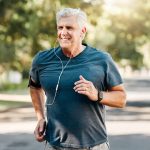 (NaturalHealth365) Scientists comparing immune cells from 64-year-old endurance athletes with those from sedentary people of the same age discovered something remarkable: the athletes’ natural killer cells functioned like those of much younger people. Published in Scientific Reports, the research reveals that decades of sustained exercise – running, cycling, swimming – fundamentally reprograms how immune cells age, resist inflammation, and respond to stress.
Natural killer (NK) cells patrol the body, eliminating viruses, abnormal cells, and early-stage cancer cells. They represent your first line of defense against disease. As people age, these cells typically become sluggish, inflammatory, and exhausted. The endurance-trained group defied this pattern completely.
What happens when scientists push immune cells to their limits
Researchers subjected NK cells from both groups to extreme stress tests using propranolol to block adrenaline pathways and rapamycin to inhibit cellular growth signals. Under conditions that would exhaust normal immune cells, the athletes’ cells maintained superior function.
When exposed to inflammatory stimulation, NK cells from trained individuals showed markedly higher levels of degranulation markers, indicating they released more toxic granules to kill abnormal cells. Their cells demonstrated enhanced killing capacity and cellular maturity. Meanwhile, untrained individuals showed dysfunctional immune cells.
Even under beta-blocker medication that would normally suppress immune function, the trained group’s NK cells preserved their activation capacity. This suggests that decades of repeated adrenaline surges during exercise created permanent adaptations that allow cells to function effectively even when adrenaline signaling is blocked.
Laboratory tests expose dramatic difference in active people
Beyond measuring how well these cells fought threats, researchers examined their energy production. The immune cells of the active group generated significantly more energy and maintained larger energy reserves than those of sedentary individuals. Think of it like having a more efficient engine with a bigger gas tank.
This energy advantage explains why trained immune cells kept working under conditions that exhausted cells from sedentary people. They simply operated more efficiently without burning out.
The inflammation control proved equally impressive. When researchers exposed blood cells to bacterial components simulating an infection, master athletes over 50 showed far more measured inflammatory responses than athletes in their twenties.
Lifelong training teaches your immune system to respond appropriately without going overboard. Your body fights infections and abnormal cells effectively while avoiding the excessive inflammation that fuels nearly every chronic disease, from heart problems to cancer to dementia.
Simple daily habits that reprogram your immune defenses
The research proves exercise reprograms immune cells at the molecular level. Here’s how to leverage this to optimize immune function.
Prioritize sustained aerobic activity: The benefits came from endurance training – prolonged efforts elevating heart rate for extended periods. Aim for 150-300 minutes weekly of activities like brisk walking, jogging, cycling, swimming, or rowing. Consistency over decades matters more than intensity.
Incorporate high-intensity intervals strategically: Brief intense efforts trigger adrenaline surges that mobilize NK cells, training them to respond rapidly. Add 1-2 weekly sessions of interval training once aerobic base is established.
Allow adequate recovery: The immune benefits require rest periods between training sessions. Chronic overtraining without recovery suppresses rather than enhances immune function. Schedule rest or “easy” activity days and prioritize sleep quality.
Support mitochondrial function nutritionally: Since trained NK cells showed superior energy production, support mitochondrial health with CoQ10, L-carnitine, alpha-lipoic acid, and PQQ. Ensure adequate B vitamins for energy metabolism.
Reduce inflammatory dietary triggers: Exercise-induced immune benefits get undermined by inflammatory foods. Eliminate refined oils, excess sugar, and processed foods while emphasizing anti-inflammatory organic whole foods, omega-3 fatty acids, and polyphenol-rich vegetables.
Address chronic stress: While exercise provides beneficial acute stress, chronic psychological stress elevates cortisol and suppresses NK cell function. Implement stress management practices, including meditation, exposure to nature, and adequate social connection.
Why your immune system needs comprehensive support beyond exercise
Exercise provides one powerful immune optimization strategy, but immune function depends on multiple interconnected factors that Western medicine completely ignores. Sleep quality, nutritional status, toxic burden, chronic infections, gut health, and emotional stress all profoundly impact how effectively your immune system protects you.
Get access to Jonathan Landsman’s Immune Defense Summit featuring 34 holistic experts, researchers, and doctors who reveal evidence-based immune-optimization strategies. You’ll discover functional tests that expose hidden immune weaknesses years before disease manifests, natural protocols for reversing autoimmune conditions, why chronic infections block detoxification pathways, how electromagnetic fields suppress immune function, which specific nutrients research shows enhance NK cell activity, and the gut-immunity connection that pharmaceutical medicine refuses to acknowledge.
These experts provide specific, actionable protocols for strengthening the exact immune mechanisms this research proves exercise enhances.
Bottom line: Decades of endurance training fundamentally reprogram natural killer cells to resist aging, control inflammation, and maintain function under extreme stress. Trained 64-year-olds’ immune cells outperform those of sedentary peers, showing superior energy production and enhanced killing capacity.
Build this advantage through regular aerobic exercise, strategic intervals, adequate recovery, and comprehensive immune support addressing all factors affecting cellular function.
Sources for this article include:
RELATED NEWS

Unexpected gut damage caused by antibiotics combined with the wrong food choices
(NaturalHealth365) If you have ever filled an antibiotic prescription, you probably heard … Unexpected gut damage caused by antibiotics combined with the wrong food choices
Hidden heart attack risk detected on CT scan
(NaturalHealth365) Doctors who order a heart scan are usually hunting for one … Hidden heart attack risk detected on CT scan
The easy way to lower your stress hormones
(NaturalHealth365) After a rough day, many people think a “tough” exercise session … The easy way to lower your stress hormones
Shorter days linked to more dangerous infections
(NaturalHealth365) Every autumn, the days grow shorter, yet most of us barely … Shorter days linked to more dangerous infections