



How a powerful herbal medicine became public enemy number one

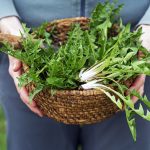 (NaturalHealth365) Here’s an interesting fact: Before the twentieth century, gardeners used to pull out grass to make room for dandelions. This wasn’t some quirky gardening fad, but rather a reflection of a deep appreciation for a plant that Arabian physicians had been prescribing since the 10th century. The ancient Greeks and Romans used dandelion medicinally, while the Chinese have employed it therapeutically for over a thousand years.
So how did this celebrated healing plant become public enemy number one on suburban lawns? When manicured lawns became a status symbol in the early 1900s, dandelions went from medicine to menace practically overnight. Chemical companies capitalized on this shift, marketing herbicides to eliminate the “weed problem.”
What got lost in all this was centuries of knowledge about one of nature’s most therapeutically diverse plants.
Why dandelion deserves another look
A comprehensive review published in Recent Advances in Food, Nutrition & Agriculture analyzed dandelion’s therapeutic potential and found that the plant is rich in sesquiterpene lactones, saponins, flavonoids, phenols, and other bioactive compounds that benefit multiple body systems.
The name “dandelion” comes from the French “dent de lion” – lion’s tooth – referring to the jagged edges of its leaves. Every single part is both edible and medicinal, from the deep taproot to the yellow flowers to the bitter greens.
Liver and digestive health: Traditional healers across cultures prized dandelion specifically for liver support. A 2025 review in the journal Pharmaceuticals examined decades of research and found consistent evidence that dandelion protects liver tissue from damage. The compound taraxasterol helps calm inflammation and reduce oxidative stress, two main drivers of liver injury.
Dandelion’s bitter compounds stimulate bile production, which is crucial for fat digestion and toxin elimination. Many people with sluggish digestion, bloating, or constipation actually have insufficient bile flow, which dandelion naturally addresses.
Blood sugar and cardiovascular support: Research shows that dandelion may help regulate blood sugar levels and normalize cholesterol levels. Its high potassium content – dandelion greens contain more potassium than bananas – naturally supports cardiovascular function.
Exceptional nutrition: Dandelion leaves pack more beta-carotene than carrots. They’re loaded with vitamins A, C, and K, as well as minerals such as iron, calcium, magnesium, and potassium.
Natural diuretic: Unlike pharmaceutical diuretics that deplete potassium, dandelion actually provides potassium while helping your body eliminate excess fluid, a much smarter approach.
Anti-inflammatory benefits: Chronic inflammation drives most modern diseases. Dandelion contains multiple compounds with anti-inflammatory properties that work throughout the body.
Simple ways to add dandelion to your routine
Fresh spring greens: Young dandelion leaves make excellent additions to salads. Harvest them early in spring when they’re tender and less bitter. Just make sure you’re harvesting from areas that haven’t been sprayed with pesticides or herbicides.
Dandelion tea: Use dried dandelion root or leaves – about 1-2 teaspoons per cup of boiling water. Steep for 5-10 minutes and drink 1-3 cups daily. Root tea has stronger liver-protective effects, while leaf tea offers more diuretic benefits.
Roasted dandelion “coffee”: Roasted dandelion root creates a surprisingly satisfying caffeine-free alternative with a rich, slightly sweet, and bitter flavor. You can buy it pre-roasted or make your own by cleaning fresh roots, chopping them, and roasting at 350°F until dark brown.
Sautéed greens: Older dandelion leaves get quite bitter. Sauté them like you would spinach or kale – garlic, olive oil, maybe a squeeze of lemon to cut the bitterness.
Important safety note: Dandelion is generally very safe, but avoid it if you’re taking blood thinners, lithium, certain diuretics, or specific antibiotics without first talking to your holistic healthcare provider. People with gallbladder problems or bile duct obstruction should be cautious.
Understand how liver health affects everything else
Research confirms dandelion offers real therapeutic benefits, but this plant represents just one tool for supporting liver function. Fatty liver disease now affects millions of Americans – not just people who drink alcohol. Poor diet, environmental toxins, medications, and metabolic dysfunction all contribute to fat accumulation in liver cells.
Jonathan Landsman’s Fatty Liver Docu-Class brings together leading holistic experts, revealing evidence-based approaches for naturally reversing fatty liver.
Discover which dietary triggers and environmental toxins drive fat accumulation in your liver, advanced nutritional protocols that help your liver process and eliminate stored fat, how insulin resistance creates a vicious cycle of liver damage and what actually breaks that cycle, and functional lab tests that reveal liver dysfunction years before conventional screening detects problems.
Sources for this article include:
RELATED NEWS

Will consuming fermented foods lower your heart disease risk
(NaturalHealth365) Thousands of years before refrigerators, herders noticed something odd about the … Will consuming fermented foods lower your heart disease risk
Unexpected way to lower heart attack risk takes less than 20 minutes a day
(NaturalHealth365) Most heart health advice sounds exhausting: hour-long workouts, strict diets, and … Unexpected way to lower heart attack risk takes less than 20 minutes a day
Overlooked eating mistake linked to fatty liver disease and cirrhosis
(NaturalHealth365) What time did you eat your last bite yesterday? For millions, … Overlooked eating mistake linked to fatty liver disease and cirrhosis
Research reveals how to stop cavities, tooth decay and gum disease naturally
(NaturalHealth365) You brush twice a day, floss most nights, and never miss … Research reveals how to stop cavities, tooth decay and gum disease naturally