



Stunning discovery reveals how to dramatically reduce several heart-risk factors naturally

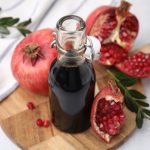 (NaturalHealth365) Most people walk right past this fruit in the produce aisle, drawn instead to whatever superfood has captured this month’s headlines. Yet researchers have spent decades quietly building a case that pomegranate can do something most cardiologists haven’t caught up with yet: directly target several of the most dangerous risk factors for heart disease simultaneously, without a prescription.
A systematic review and dose-response meta-analysis published in Nutrition, Metabolism and Cardiovascular Diseases has now delivered the most comprehensive verdict yet on this ancient fruit’s cardiovascular potential. Analyzing 53 randomized controlled trials involving 2,306 participants, researchers confirmed that regular pomegranate supplementation produces measurable, statistically significant improvements across multiple cardiovascular risk factors at once.
What 53 clinical trials are quietly telling us
The findings are difficult to dismiss. Pomegranate supplementation substantially reduced both systolic and diastolic blood pressure, lowered body weight, BMI, fasting blood glucose, and total cholesterol, while simultaneously raising HDL cholesterol, which helps keep arterial walls clean. Most pharmaceutical drugs are considered a clinical success if they move just one of these markers in isolation. Pomegranate moved all of them.
Blood pressure reductions were consistent across both healthy and at-risk participants, regardless of whether they used pomegranate juice, standardized extract, or peel. Higher amounts – 1,000 mg or more daily – tended to produce stronger effects, and benefits deepened the longer supplementation continued, with the most pronounced results appearing beyond ten weeks of consistent use.
Why researchers can no longer ignore what pomegranate does inside your arteries
The explanation isn’t coincidence or folk wisdom. The answer lies in biochemistry, an area modern research is only beginning to fully map. Pomegranate is extraordinarily rich in polyphenols, particularly anthocyanins and hydrolyzable tannins called punicalagins, whose antioxidant capacity exceeds that of vitamins E, A, and C combined, making this fruit one of the most potent natural defenders of the cardiovascular system ever studied.
These compounds go after the root causes of heart disease – oxidative stress and chronic inflammation – rather than masking symptoms after the damage has already taken hold.
What makes this particularly significant is that pomegranate’s polyphenols appear to work through several pathways simultaneously, relaxing blood vessel walls, improving blood flow, and reducing the oxidation of LDL cholesterol, a process that transforms ordinary plaque into something far more dangerous. Beyond the arteries themselves, emerging evidence suggests that pomegranate actively reshapes the gut microbiome in ways that further support metabolic and cardiovascular health, a connection that conventional cardiology has barely begun to explore, let alone discuss with patients.
Natural solutions for a stronger heart
Consider adding organic pomegranate juice or extract to your daily routine, and make organic the non-negotiable standard. Research suggests that around 8–10 ounces of pomegranate juice daily, or a standardized extract of 1,000 mg or more, produces the most meaningful cardiovascular benefits, though consistency matters.
Conventionally grown pomegranates are routinely treated with pesticides that accumulate in the fruit’s polyphenol-rich peel and juice, potentially undermining the very antioxidant pathways you’re trying to support, so always seek out certified organic sources. The data make clear that benefits accumulate over weeks, not days, which means this is a long-game strategy rather than a quick fix, and one that rewards patience.
Build an anti-inflammatory diet around pomegranate rather than treating this fruit as a standalone solution. Processed vegetable oils, excess fructose, and refined carbohydrates create the chronic inflammation that injures arterial walls in the first place, and no amount of supplementation fully compensates for a diet built on those foundations. Wild-caught fatty fish, organic dark leafy greens, and extra-virgin olive oil create the anti-inflammatory environment where pomegranate’s polyphenols can do their most meaningful work.
Strengthen your cardiovascular protocol with targeted nutrients that address what pomegranate alone cannot. Magnesium glycinate deserves serious attention, as research supports the mineral’s role in blood pressure regulation and the hundreds of enzymatic reactions the heart depends on daily.
CoQ10 is non-negotiable for anyone on statins for high cholesterol, since statins actively deplete this critical compound that fuels the heart muscle’s energy production – a fact most prescribing physicians fail to mention. Nattokinase rounds out a serious cardiovascular protocol by supporting healthy, unrestricted blood flow through the arterial system, addressing sluggish circulation that quietly increases the risk of clots over time.
What your cardiologist won’t bring up at your next appointment
Most cardiologists have 15 minutes with you, a prescription pad, and treatment guidelines shaped by pharmaceutical input. There is no slot in that appointment for a conversation about pomegranate polyphenols, functional lab tests that detect arterial damage years before a heart attack, or why the cholesterol number they’re fixated on may be the least important thing on your results sheet.
That gap is exactly what Jonathan Landsman’s Cardiovascular Docu-Class was built to fill. Thirty-two presentations from researchers and holistic healthcare providers who have spent their careers asking the questions conventional cardiology refuses to ask, including which specific nutrients are depleted by the most commonly prescribed heart medications, how gum disease silently drives cardiovascular risk, why your eyes may be the earliest warning system for heart failure, and what functional testing reveals about inflammation and arterial health that a standard lipid panel completely misses.
When pomegranate alone can move blood pressure, cholesterol, and blood sugar markers across 53 clinical trials, the potential of a comprehensive, root-cause approach to cardiovascular health – one that addresses the inflammation, oxidative stress, and nutrient deficiencies that actually drive heart disease – is worth taking seriously.
Bottom line: A rigorous analysis of 53 clinical trials confirms that pomegranate supplementation meaningfully improves blood pressure, cholesterol, blood sugar, and body composition – all at once, through root-cause mechanisms that pharmaceutical interventions rarely address. Most patients will never hear about this from their doctor, which makes understanding the full cardiovascular picture more important than ever.
Sources for this article include:
RELATED NEWS

Hidden heart attack risk detected on CT scan
(NaturalHealth365) Doctors who order a heart scan are usually hunting for one … Hidden heart attack risk detected on CT scan
The easy way to lower your stress hormones
(NaturalHealth365) After a rough day, many people think a “tough” exercise session … The easy way to lower your stress hormones
Two of the clearest ways to avoid age-related vision loss
(NaturalHealth365) Few things feel as precious as seeing a grandchild’s face clearly … Two of the clearest ways to avoid age-related vision loss
Shorter days linked to more dangerous infections
(NaturalHealth365) Every autumn, the days grow shorter, yet most of us barely … Shorter days linked to more dangerous infections