



Natural fertility remedy overlooked as U.S. birth rates hit record low

 (NaturalHealth365) The U.S. fertility rate declined to an all-time low of 1.599 births per woman in 2024, well below the 2.1 replacement rate required to maintain population stability. The decline represents a staggering 22% drop since 2007, with women across nearly every age group having fewer children. Yet while Western medicine pushes expensive IVF procedures averaging $15,000-$30,000 per cycle and synthetic hormone treatments with serious side effects, an ancient fruit consumed for over 8,000 years offers profound reproductive support that remains completely ignored.
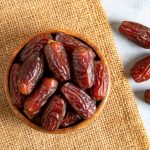
Dates – the caramel-sweet fruit cultivated since 6000 BC across the Middle East and North Africa – contain a unique combination of minerals, phytochemicals, and compounds that traditional medicine has valued for fertility enhancement for millennia. Modern research now confirms what ancient healers knew: this nutritional powerhouse supports bone health critical for pregnancy, provides energy-sustaining nutrients, and contains fatty acids that influence reproductive hormone production.
America’s hidden fertility collapse
The fertility crisis reflects fundamental failures in how Western medicine approaches reproductive health. Birth rates are declining for women under 35, the primary childbearing years. Economic anxiety over childcare costs, healthcare access, and housing affordability keeps potential parents from starting families. Meanwhile, women face increasing rates of PCOS, endometriosis, thyroid dysfunction, and unexplained infertility.
Conventional fertility treatment focuses on technological interventions: IVF cycles, synthetic hormones, and invasive procedures. Notice what’s conspicuously absent – comprehensive nutritional assessment of mineral deficiencies affecting ovulation and implantation, evaluation of inflammatory markers disrupting hormonal balance, testing for environmental toxin exposures damaging egg quality, or dietary guidance about foods specifically supporting reproductive function.
Your fertility specialist will discuss follicle counts and hormone levels, but rarely mentions that magnesium deficiency impairs progesterone production, that inadequate copper affects estrogen metabolism, or that specific foods provide compounds that influence fertility at the cellular level.
Nutritional powerhouse supporting reproductive health
Dates provide an impressive array of nutrients that directly affect fertility and reproductive health. A serving of just four Medjool dates provides 668 mg of potassium essential for cellular function and hormone signaling, substantial magnesium supporting progesterone production and over 300 enzymatic reactions, copper necessary for estrogen metabolism and iron absorption, phosphorus and calcium critical for bone strength during pregnancy, and manganese vital for bone development and antioxidant defense.
The fruit’s rich phytochemical profile includes polyphenols and flavonoids, such as catechins, that combat oxidative stress that damages eggs and sperm. These antioxidants repair DNA at the cellular level – exactly what’s needed when egg and sperm quality determine conception success and pregnancy outcomes.
Dates contain natural sugars accompanied by substantial fiber – 6.4 grams per four-date serving – providing sustained energy without the blood sugar spikes that disrupt hormonal balance and impair fertility. Unlike refined sugars and high-fructose corn syrup, which impair metabolic health, dates provide low-glycemic sweetness, supporting stable insulin levels essential for ovulation.
The unsaturated fatty acids in dates, including oleic and linoleic acids, are precursors of prostaglandins. Prostaglandins influence reproductive processes from ovulation to implantation. Research shows that women who consume dates during late pregnancy experience improved outcomes: one study found shorter labor and reduced need for medical intervention, suggesting that the fruit’s compounds support optimal reproductive function.
Traditional medicine across multiple cultures has long recommended dates for fertility support, crediting them with enhancing reproductive vitality in both women and men. Some research suggests dates may support sperm count and motility, though this area needs further investigation.
Strategic ways to incorporate dates for reproductive support
Making dates part of your daily routine provides consistent access to their fertility-supporting nutrients without complicated protocols or expensive supplements.
Create nutrient-dense snacks: Stuff Medjool dates with raw almond butter or tahini for balanced protein and healthy fats. The combination provides sustained energy while delivering minerals supporting hormonal balance. Wrap dates in a small amount of dark chocolate (85% cacao or higher) to provide additional antioxidants and magnesium.
Blend into hormone-balancing smoothies: Combine 3-4 dates with full-fat coconut milk, wild blueberries rich in anthocyanins, collagen peptides supporting egg quality, raw cacao powder for magnesium, and maca root powder traditionally used for fertility enhancement. The dates provide natural sweetness, eliminating the need for blood-sugar-disrupting sweeteners.
Make fertility-supporting energy balls: Process dates with raw walnuts (omega-3s), pumpkin seeds (zinc for hormone production), unsweetened coconut, chia seeds (fiber and omega-3s), and cinnamon (blood sugar regulation). Roll into balls for convenient fertility-supporting snacks.
Replace refined sugar in recipes: Create date paste by blending pitted dates with minimal water until smooth. Use this “nature’s caramel” to sweeten baked goods, oatmeal, and sauces, eliminating the refined sugars that disrupt insulin sensitivity and impair ovulation.
Support bone health for pregnancy: Dates’ impressive mineral content – calcium, phosphorus, magnesium, manganese – supports bone mineral density critical during pregnancy when fetal skeletal development draws heavily on maternal mineral stores. Regular consumption helps prevent the bone density loss that many women experience.
Addressing root causes of fertility decline
The fertility crisis stems from interconnected failures: nutrient-depleted food supply providing insufficient minerals for reproductive function, endocrine-disrupting chemicals in plastics and personal care products interfering with hormone signaling, chronic inflammation from processed foods damaging reproductive tissues, metabolic dysfunction from refined carbohydrates impairing ovulation, and toxic exposures accumulating in reproductive organs.
Jonathan Landsman’s Thyroid and Adrenal Health Docu-Class brings together 21 leading researchers, holistic doctors, and nutritionists revealing how thyroid and adrenal dysfunction fundamentally drives fertility problems Western medicine won’t address.
Discover why blood sugar imbalances destroy fertility through thyroid disruption, how adrenal fatigue causes hormonal imbalances preventing conception, the hidden liver-thyroid-fertility connection doctors ignore, natural protocols for reversing thyroid dysfunction impairing ovulation, detoxification strategies eliminating toxins damaging reproductive hormones, and why stress-induced adrenal exhaustion prevents pregnancy even when everything else seems normal.
Sources for this article include:
RELATED NEWS

Calm anxiety with the “perfect pair” of traditional remedies, new trial reveals
(NaturalHealth365) Most of us think of mushrooms as a pizza topping or … Calm anxiety with the “perfect pair” of traditional remedies, new trial reveals
Tooth implant warning linked to a bone-destroying infection in 1 in 5 patients
(NaturalHealth365) Many dentists present implants as the permanent answer to a missing … Tooth implant warning linked to a bone-destroying infection in 1 in 5 patients
Dramatically lower your breast cancer risk with “strange” new food buying habits
(NaturalHealth365) Most of us fill our grocery carts with the same dozen … Dramatically lower your breast cancer risk with “strange” new food buying habits
What happens while you sleep linked to your risk of 83 different diseases
(NaturalHealth365) You probably have a rough idea of how many hours you … What happens while you sleep linked to your risk of 83 different diseases