



Stop diabetes with a nighttime snack that rewires your gut

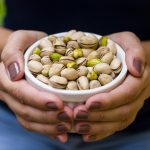 (NaturalHealth365) Over 100 million American adults live with prediabetes, and most will progress to full-blown Type 2 diabetes within a few years. Sadly, the typical Western medical advice offers little beyond vague recommendations to “eat better and exercise more” – guidance so generic that patients rarely achieve meaningful results. Meanwhile, doctors hand out prescriptions for metformin and other glucose-lowering drugs rather than addressing the gut dysfunction driving blood sugar dysregulation in the first place.
But, now for the good news: Researchers at Penn State just discovered that swapping a common bedtime snack fundamentally alters gut bacteria in ways that could halt diabetes progression. The intervention requires no prescriptions, no complicated meal planning, and takes less effort than brushing your teeth.
Twelve weeks of pistachios reshaped entire microbial communities
The study enrolled 51 adults with prediabetes – blood sugar levels higher than normal but not yet meeting diabetes criteria. Researchers used a crossover design in which all participants experienced both interventions in random order across two 12-week periods separated by a washout period.
One intervention followed standard medical advice: consuming 15-30 grams of carbohydrates before bed, typically one to two slices of whole grain bread. The comparison involved eating approximately two ounces of pistachios nightly instead. Both snacks elicit similar glucose responses according to previous research, yet their effects on gut bacteria proved dramatically different.
After 12 weeks of nightly pistachio consumption, stool analysis using genetic sequencing revealed significantly altered microbial community profiles compared to the carbohydrate snack period. Beneficial bacteria known for producing short-chain fatty acids – particularly Roseburia and members of the Lachnospiraceae family – increased substantially in the pistachio group.
These “good” bacteria produce butyrate, a compound serving as the primary fuel for cells lining your colon. Butyrate strengthens gut barrier integrity, preventing bacterial toxins from leaking into the bloodstream and triggering the systemic inflammation that drives insulin resistance. This fatty acid also supports anti-inflammatory processes throughout your body, creating metabolic conditions opposing diabetes development.
Harmful bacteria decreased while protective species flourished
Beyond increasing beneficial microbes, pistachios reduced populations of bacteria associated with metabolic dysfunction. Levels of Blautia hydrogenotrophica – a species producing compounds that accumulate in blood and damage kidney and heart tissue – dropped significantly after pistachio consumption.
Eubacterium flavonifractor, which breaks down beneficial antioxidant compounds from plant foods, also decreased. This bacterial reduction means more antioxidants from pistachios and other foods remain available to combat oxidative stress that damages pancreatic beta cells and impairs insulin signaling.
The specificity of these changes matters enormously. Pistachios didn’t cause broad, nonspecific shifts in gut bacteria but rather selectively promoted beneficial species while suppressing problematic ones. This targeted modulation suggests that pistachios contain compounds that support metabolic health by modulating the microbiome.
Why nighttime consumption amplifies metabolic benefits
The timing of pistachio consumption is particularly significant for prediabetic individuals. Overnight represents a critical period when gut bacteria ferment dietary fiber, producing metabolites that influence morning blood glucose levels and insulin sensitivity throughout the following day.
By providing fiber, healthy fats, and plant compounds during this metabolic window, pistachios supply substrate for beneficial bacteria to produce butyrate and other short-chain fatty acids precisely when these compounds exert maximum influence on glucose regulation. The standard carbohydrate snack, by contrast, feeds different bacterial populations producing fewer beneficial metabolites.
Building blood sugar resilience through strategic nutrition
Include prebiotic-rich whole foods daily: Beyond pistachios, other nuts like almonds and walnuts provide fiber and polyphenols feeding beneficial gut bacteria. Combine these with organic legumes, non-starchy vegetables, and resistant starch from cooled potatoes or rice to create a diverse substrate that supports a variety of beneficial bacterial populations. Variety in prebiotic sources yields more robust microbiome diversity than relying on a single food.
Time nutrient intake strategically: Consider splitting daily nut consumption between mid-afternoon and evening rather than consuming all at once. Evening intake specifically supports overnight bacterial fermentation, producing metabolites that improve glucose tolerance the next morning. Mid-afternoon consumption helps stabilize blood sugar through the challenging late-day period when insulin sensitivity naturally declines.
Combine nuts with cinnamon and vinegar: Both compounds independently improve insulin sensitivity and glucose uptake. Pairing pistachios with Ceylon cinnamon or consuming a small amount of apple cider vinegar diluted in water before your evening nuts may amplify blood sugar benefits through complementary mechanisms. Start with one-quarter teaspoon of cinnamon or one tablespoon of vinegar to assess tolerance.
Address the omega-6 to omega-3 imbalance: While nuts provide healthy fats, most Americans consume excessive omega-6 fatty acids from vegetable oils, which can promote inflammatory conditions that promote insulin resistance. Reduce intake of soybean, corn, and sunflower oils while increasing omega-3 fatty acids from wild-caught fatty fish, organic flaxseed, and walnuts. This rebalancing supports the anti-inflammatory gut environment that pistachios help create.
Support gut barrier integrity comprehensively: Pistachios promote butyrate production, strengthening intestinal barrier function, but chronic stress, alcohol, and NSAIDs damage this barrier. Minimize these exposures while including bone broth, fermented foods, and L-glutamine to support comprehensive gut healing alongside pistachio consumption.
Discover root-cause solutions for metabolic dysfunction
Prediabetes represents more than just elevated blood sugar: this condition signals deeper metabolic dysfunction involving insulin resistance, chronic inflammation, hormonal imbalances, and mitochondrial damage that Western medicine treats superficially with glucose-lowering drugs.
Jonathan Landsman’s Fatty Liver Docu-Class brings together leading holistic healthcare providers, revealing how insulin resistance and metabolic dysfunction – the same processes driving prediabetes – manifest as fatty liver disease affecting over 100 million Americans.
Discover the hidden connections between liver health and blood sugar regulation, advanced nutritional strategies addressing root causes of insulin resistance rather than masking symptoms, how natural compounds support liver detoxification while improving metabolic function, and comprehensive lifestyle modifications that reverse fatty liver and prevent diabetes progression simultaneously.
Sources for this article include:
RELATED NEWS

Unexpected way to lower heart attack risk takes less than 20 minutes a day
(NaturalHealth365) Most heart health advice sounds exhausting: hour-long workouts, strict diets, and … Unexpected way to lower heart attack risk takes less than 20 minutes a day
Overlooked eating mistake linked to fatty liver disease and cirrhosis
(NaturalHealth365) What time did you eat your last bite yesterday? For millions, … Overlooked eating mistake linked to fatty liver disease and cirrhosis
Research reveals how to stop cavities, tooth decay and gum disease naturally
(NaturalHealth365) You brush twice a day, floss most nights, and never miss … Research reveals how to stop cavities, tooth decay and gum disease naturally
Reduce lung cancer risk by 41 percent by eating six key nutrients
(NaturalHealth365) Forty-one percent. In a study of hundreds of thousands of adults, … Reduce lung cancer risk by 41 percent by eating six key nutrients