



Simple dietary shift delivers protection antidepressants can’t match

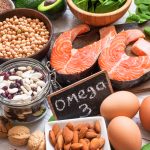 (NaturalHealth365) Depression and anxiety diagnoses continue climbing year after year, with doctors responding by writing more prescriptions for psychiatric medications that carry risks including emotional numbness, weight gain, sexual dysfunction, and dependency. Meanwhile, researchers analyzing one of the world’s largest health databases just discovered something remarkable: people with higher blood levels of specific fatty acids experience dramatically lower rates of both conditions without taking a single pharmaceutical.
The study examined over 258,000 adults in the United Kingdom, measuring actual omega-3 fatty acid concentrations in their blood rather than relying on dietary questionnaires or self-reported supplement use. What emerged challenges the entire foundation of conventional psychiatric treatment.
People in the top twenty percent experienced stunning protection
Researchers divided participants into five groups based on their omega-3 blood levels, then examined medical records for physician-diagnosed depression and anxiety rather than vague self-reported symptoms. This approach identified real cases requiring medical attention, not just occasional blue moods.
The results revealed consistent patterns across every omega-3 measure. Those in the highest group showed 15% to 33% lower risk for lifetime depression compared to the lowest group, with the exact percentage depending on which omega-3 component researchers analyzed. For anxiety disorders, protection ranged from 19% to 22% lower risk among those with the highest blood concentrations.
Even looking at recent cases – active depression or anxiety within the past year – those with optimal omega-3 levels showed 29% to 32% lower risk. These reductions represent substantial protection against conditions that devastate quality of life, damage relationships, destroy careers, and in severe cases, lead to suicide.
EPA emerges as the critical protective component
The study revealed something particularly valuable for anyone choosing supplements or planning meals. Non-DHA omega-3 fatty acids – primarily EPA – showed stronger and more consistent protection against depression and anxiety compared to DHA alone. While DHA certainly supports brain structure and function, EPA appears to drive mood benefits specifically.
EPA powerfully reduces inflammatory molecules called cytokines that accumulate in depressed and anxious individuals. EPA also modulates brain chemistry by influencing serotonin and dopamine pathways – the same neurotransmitter systems targeted by psychiatric drugs, but without forcing artificial chemical changes.
Those taking fish oil supplements showed 9% to 10% lower risk for lifetime depression and anxiety, with a 20% lower risk for recent anxiety. While these benefits weren’t as dramatic as achieving high blood omega-3 concentrations through consistent intake, supplement users still experienced measurable protection that most psychiatric medications can’t match without dangerous side effects.
The pharmaceutical industry’s inconvenient truth
This research creates serious problems for companies profiting from antidepressant and anti-anxiety medications. The psychiatric drug market generates billions annually by keeping patients medicated indefinitely, rarely addressing why depression and anxiety develop in the first place. Omega-3 fatty acids threaten this profitable model in fundamental ways.
Unlike patented pharmaceuticals, omega-3s exist freely in nature – fish have been making EPA and DHA for millions of years without charging licensing fees. Drug companies cannot monopolize these essential nutrients or control who accesses them. More importantly, omega-3s address underlying inflammatory processes driving mood disorders rather than simply altering brain chemistry to mask symptoms while leaving root causes untouched.
Conventional psychiatry responds to this evidence by largely ignoring nutritional interventions, continuing to prescribe SSRIs and benzodiazepines despite mounting evidence that dietary approaches offer comparable or superior benefits without the risks of emotional blunting, sexual problems, weight gain, and brutal withdrawal symptoms that plague pharmaceutical users.
Building optimal omega-3 levels for mental wellness
Choose fatty fish strategically: Wild-caught salmon, mackerel, sardines, and herring deliver EPA and DHA in highly absorbable forms that your body recognizes and uses efficiently. Aim for 3 to 4 servings per week, with smaller fish like sardines and anchovies being ideal, as they accumulate fewer environmental contaminants than larger predatory species. Avoid farmed salmon raised on corn and soy – these fish contain minimal omega-3 content compared to their wild counterparts.
Select supplements that actually work: Look for molecularly distilled fish oil providing at least 1,000 mg combined EPA and DHA daily, with formulas offering higher EPA ratios specifically for mood support based on this study’s findings. Triglyceride-form supplements absorb significantly better than cheaper ethyl ester versions. Take omega-3 capsules with fat-containing meals to maximize absorption – swallowing them with just water wastes much of their potential benefit.
Eliminate omega-6 competition: Modern processed foods are overflowing with soybean oil, corn oil, and canola oil, which create inflammatory imbalances that directly oppose omega-3 benefits. These industrial seed oils dominate restaurant cooking and packaged foods, driving the omega-6-to-omega-3 ratio to levels unknown in human history. Cutting out vegetable oils and processed foods dramatically enhances the omega-3s you get from fish or supplements.
Optimize your digestive capacity: Even perfect omega-3 intake is useless if poor digestion prevents absorption. Be sure to address underlying gut inflammation by removing food sensitivities and healing intestinal permeability. Cook fish gently using lower temperatures, as high heat degrades delicate omega-3 fatty acids before they ever reach your digestive system.
Discover comprehensive mental health solutions
The same omega-3 fatty acids that protect against depression and anxiety also shield your brain from cognitive decline and memory loss as you age. Brain health and mental wellness share common nutritional foundations that Western medicine consistently overlooks.
Jonathan Landsman’s Alzheimer’s and Dementia Summit brings together 31 leading holistic experts, revealing how nutritional strategies protect both mood and memory throughout your lifetime.
Discover advanced nutritional approaches that reverse neurodegenerative diseases, why certain foods destroy brain function while others fuel brain vitality, the connection between brain inflammation and both depression and dementia, and comprehensive protocols for protecting cognitive health that address root causes rather than masking symptoms with pharmaceuticals.
Sources for this article include:
RELATED NEWS

Unexpected way to lower heart attack risk takes less than 20 minutes a day
(NaturalHealth365) Most heart health advice sounds exhausting: hour-long workouts, strict diets, and … Unexpected way to lower heart attack risk takes less than 20 minutes a day
Overlooked eating mistake linked to fatty liver disease and cirrhosis
(NaturalHealth365) What time did you eat your last bite yesterday? For millions, … Overlooked eating mistake linked to fatty liver disease and cirrhosis
Research reveals how to stop cavities, tooth decay and gum disease naturally
(NaturalHealth365) You brush twice a day, floss most nights, and never miss … Research reveals how to stop cavities, tooth decay and gum disease naturally
Reduce lung cancer risk by 41 percent by eating six key nutrients
(NaturalHealth365) Forty-one percent. In a study of hundreds of thousands of adults, … Reduce lung cancer risk by 41 percent by eating six key nutrients