



What new research reveals about astaxanthin and the hidden damage driving disease

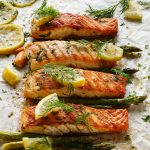 (NaturalHealth365) Most antioxidants get a moment of attention and then fade into the background noise of the supplement world. Astaxanthin is different. The research keeps coming back to this compound, and the most recent findings confirm what natural healthcare providers have long said. This remarkable red pigment is one of the most potent antioxidant found in nature.
Astaxanthin is a carotenoid, the same family of plant pigments that includes beta-carotene and lycopene. This pigment gives wild salmon and trout their pinkish-red color and is produced in concentrated amounts by a tiny marine alga called Haematococcus pluvialis. What makes astaxanthin stand out from every other antioxidant is the sheer scale of astaxanthin’s free-radical-fighting power. Research has shown that astaxanthin has 100 to 500 times the antioxidant capacity of vitamin E and outperforms beta-carotene, lutein, and lycopene by a significant margin.
What the latest human research confirms
A major review published in January 2026 examined 15 human clinical trials and found something worth noting. People who took astaxanthin had lower levels of key markers doctors use to measure inflammation, while their natural antioxidant defenses strengthened.
These are the same markers linked to heart disease, weight gain, and faster aging. The researchers concluded that astaxanthin works across multiple areas of health – heart, metabolism, and immune function.
What chronic inflammation is doing to your body
Most people know inflammation is connected to disease. What few people realize is how quietly chronic inflammation does damage. A sprained ankle swells up and heals in days – that’s normal, healthy inflammation doing the job.
Chronic inflammation is completely different. There’s no swelling you can see, no pain that signals a problem, just a slow, invisible process that damages your cells and organs over months and years, driven by poor diet, toxins, stress, and aging.
Free radicals are a major driver of this process. Think of free radicals as unstable, damaged molecules that crash into healthy cells and trigger more damage. Antioxidants neutralize them, and astaxanthin does this better than almost anything else found in nature.
Natural ways to get more astaxanthin every day
Make wild-caught salmon a regular part of your weekly meals. Wild Alaskan sockeye salmon is one of the best food sources available, far richer in astaxanthin than farmed salmon, which gets a apink color from synthetic dyes rather than the real thing. Two to three servings a week is a great place to start. As an alternative, you may want to try trout.
Consider a natural astaxanthin supplement from Haematococcus pluvialis algae. The human trials showing the strongest results used 8 to 12 mg of natural astaxanthin daily. When choosing a supplement, look for products that list H. pluvialis as the source. This is nature’s most concentrated form and what the research consistently uses. Synthetic versions are widely sold but have not shown the same results in human studies.
Always take astaxanthin with a meal that contains fat. Because astaxanthin is fat-soluble, absorption is much better with food. A piece of wild salmon, a handful of walnuts, or a drizzle of extra-virgin olive oil with your supplement makes a real difference in how much your body actually uses.
Round out your approach with a broader anti-inflammatory diet. Organic berries, dark leafy greens, turmeric, green tea, and olive oil all fight free radicals through different but overlapping pathways. The goal is a daily eating pattern that actively works against chronic inflammation – not one that quietly feeds that inflammation.
Why this matters more than most people realize
Chronic inflammation and free radical damage are now recognized as root causes behind the most serious health conditions of our time – heart disease, cancer, diabetes, brain degeneration, and premature aging. Astaxanthin tackles these processes directly at the cellular level, with a safety record and potency that very few natural compounds can match.
If you want to understand the full picture of how oxidative stress and chronic inflammation drive cancer risk — and what leading natural healthcare providers recommend doing about it — Jonathan Landsman’s Stop Cancer Docu-Class is the next logical step.
Twenty-two scientists and holistic physicians walk through the environmental and nutritional triggers that fuel cancer, the natural compounds that protect against abnormal cell growth, and the functional lab tests that can catch problems years before Western medicine acts.
Sources for this article include:
RELATED NEWS

Unexpected gut damage caused by antibiotics combined with the wrong food choices
(NaturalHealth365) If you have ever filled an antibiotic prescription, you probably heard … Unexpected gut damage caused by antibiotics combined with the wrong food choices
Hidden heart attack risk detected on CT scan
(NaturalHealth365) Doctors who order a heart scan are usually hunting for one … Hidden heart attack risk detected on CT scan
The easy way to lower your stress hormones
(NaturalHealth365) After a rough day, many people think a “tough” exercise session … The easy way to lower your stress hormones
Shorter days linked to more dangerous infections
(NaturalHealth365) Every autumn, the days grow shorter, yet most of us barely … Shorter days linked to more dangerous infections