



Scientists finally confirm what traditional medicine got right all along

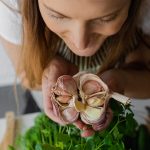 (NaturalHealth365) For most people, garlic will go into pasta, soup, or a stir-fry without much thought. Yet, when sick, few people reach for a clove the way they might reach for a medication.
But, did you know that a major new analysis of human clinical research published in Nutrition Reviews is making a compelling case for the value of natural medicine. In fact, garlic has earned its place as one of the most studied plants for cardiovascular health.
Researchers conducted a comprehensive meta-analysis drawing on 108 randomized controlled human trials. What they found was clear and consistent across nearly every cardiovascular risk marker studied.
What 108 human trials revealed about garlic and heart health
The numbers are hard to dismiss. Garlic consumption was linked to a drop of more than 10 points in total cholesterol. LDL cholesterol fell by nearly 6 points, HDL cholesterol rose meaningfully, and triglycerides fell as well. Blood pressure also responded, with systolic readings dropping by nearly 4 mmHg and diastolic by almost 2 mmHg.
Beyond lipids and blood pressure, the results extended into markers that Western medicine often overlooks. Fasting blood glucose dropped by nearly 3 mg/dL. In addition, insulin resistance scores improved, C-reactive protein, a key blood marker of systemic inflammation, fell by 1.6 mg/L, and the body’s overall antioxidant capacity rose measurably.
These effects were most pronounced in adults who already carried elevated cardiovascular risk.
Why garlic does what pharmaceuticals cannot replicate
Garlic’s power comes from sulfur-containing compounds, most notably allicin. Allicin forms when a raw clove is crushed or chopped. These compounds work through multiple biological pathways simultaneously.
Allicin can help to reduce LDL oxidation, relax blood vessel walls, inhibit platelet clumping, and lower inflammatory signaling that damages arterial tissue over time.
No single pharmaceutical drug targets all of these pathways at once. A statin lowers LDL but does nothing for blood pressure, inflammation, or blood sugar. A blood pressure medication manages one number while leaving others untouched.
Garlic, consumed regularly as food, appears to nudge the entire cardiovascular system in a positive direction. That breadth of effect across 108 human trials is what makes the findings significant.
The gap between what research shows and what doctors recommend
Western medicine rarely recommends food as a clinical intervention. And yet this meta-analysis covers more human participants and more rigorously measured outcomes than many pharmaceutical studies that result in new prescriptions.
Researchers concluded that garlic intake significantly improves lipid profiles, glycemic markers, blood pressure, and inflammatory biomarkers. Furthermore, the effects were strongest in adults with the highest baseline risk.
That conclusion comes from peer-reviewed human trial data. Moreover, garlic is not patented and does not generate any profit for any pharmaceutical company.
Natural solutions for cardiovascular protection
Make garlic a consistent part of your daily food routine. The 108 trials in this review used garlic in various forms, including powder, aged extract, and raw preparations. Research on allicin, the key active compound, consistently shows that crushing or chopping a raw clove and letting it rest for 10 minutes before cooking preserves the most biological activity.
Whether through raw cloves added to dressings and dips, lightly cooked in meals, or as a standardized preparation, consistency over time appears to be the most important factor.
Address the full picture of the factors that drive cardiovascular disease. Garlic works best as part of a broader food strategy. Wild-caught fatty fish supplies anti-inflammatory omega-3 fatty acids that reduce arterial inflammation. Organic dark leafy greens provide dietary nitrates that relax blood vessel walls and support healthy blood flow.
Together, these foods target the root causes of cardiovascular disease in ways that no single pharmaceutical approach can replicate.
Reduce the daily exposures that undo progress. Chronic stress elevates cortisol, which raises blood pressure and promotes arterial inflammation. Disrupted sleep compounds the problem by keeping the nervous system in a state of low-grade activation.
Refined sugar and processed seed oils drive oxidative stress, undermining every protective benefit garlic provides. Removing these inputs consistently matters as much as adding protective foods.
The plant that research keeps coming back to
Garlic has appeared in medicinal traditions across nearly every culture for thousands of years. Now, 108 randomized controlled trials later, the evidence confirms what those traditions have long suggested. The body responds to consistent garlic consumption in measurable, meaningful ways across nearly every cardiovascular marker that matters.
Most people will never hear that from their cardiologist. Jonathan Landsman’s Cardiovascular Docu-Class gives you direct access to holistic healthcare providers and researchers asking the questions conventional cardiology leaves on the table. Discover the evidence-based strategies that address root causes and could change how you approach heart health for good.
Click here to own the Cardiovascular Docu-Class.
Sources for this article include:
RELATED NEWS

Two of the clearest ways to avoid age-related vision loss
(NaturalHealth365) Few things feel as precious as seeing a grandchild’s face clearly … Two of the clearest ways to avoid age-related vision loss
Shorter days linked to more dangerous infections
(NaturalHealth365) Every autumn, the days grow shorter, yet most of us barely … Shorter days linked to more dangerous infections
Two-minute nightly routine linked to fewer strokes, major study reveals
(NaturalHealth365) Be honest, how often do you actually floss? Most of us … Two-minute nightly routine linked to fewer strokes, major study reveals
Lower the risk of dementia with an age-old habit
(NaturalHealth365) There’s something special about curling up with a good book on … Lower the risk of dementia with an age-old habit