



The old fashioned way to improve your gut health, review confirms

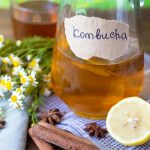 (NaturalHealth365) For over 2,000 years, cultures across Asia have consumed a tangy fermented tea believed to promote long life and strong digestion. Western medicine largely ignored it – until now.
A comprehensive review published in Current Nutrition Reports has examined the science behind kombucha’s most compelling health properties, and what researchers found about its effects on the gut is hard to dismiss.
What makes kombucha different from other drinks
Kombucha is produced by fermenting sweetened tea with a symbiotic culture of bacteria and yeast, known as SCOBY. During fermentation, this living colony transforms sugar into organic acids, probiotics, polyphenols, and B vitamins. The result is a bioactive beverage that delivers far more than hydration.
What sets kombucha apart is the fermentation process itself, which actually increases polyphenol content beyond what exists in plain tea. Specific enzymes produced by the bacteria break down bound polyphenols into free, bioavailable forms that the body can use immediately. No processing, no pharmaceutical intervention, just microbial chemistry doing what it’s done for millennia.
What the science reveals about kombucha and gut health
The review confirms that kombucha encourages the growth of beneficial intestinal bacteria, particularly Lactobacillus and Bifidobacterium species, the same strains associated with healthy digestion and a well-regulated immune response. Short-chain fatty acids and their metabolites feed the gut lining directly, supporting intestinal integrity. Researchers categorize kombucha as a symbiotic beverage precisely because it delivers both probiotics and the compounds that help them thrive.
The organic acids produced during fermentation – including acetic, gluconic, and glucuronic acids – also create an environment hostile to dangerous pathogens like E. coli, Salmonella, and Vibrio cholerae. Studies show kombucha’s antimicrobial activity correlates directly with its acetic acid content, meaning the longer and more carefully it’s fermented, the more protective it becomes. This antimicrobial effect extends to fungi as well, with research suggesting kombucha cultures may even support treatment of persistent fungal infections.
Natural solutions to rebuild and protect gut health
Incorporating fermented foods daily is one of the most direct ways to support your microbiome. Beyond kombucha, rotate in kimchi, sauerkraut, miso, and plain kefir to introduce diverse bacterial strains your gut needs. Variety matters: a single fermented food feeds a narrow range of beneficial bacteria, while diversity builds resilience.
Pair fermented foods with prebiotic fiber to give those beneficial bacteria something to thrive on. Garlic, onions, leeks, asparagus, and slightly underripe bananas all feed the probiotic strains you’re working to establish. At the same time, eliminate what quietly destroys the microbiome: processed foods, artificial sweeteners, and unnecessary antibiotics are among the most damaging forces your gut faces daily.
The immune connection Western medicine overlooks
Your gut houses roughly 70% of your immune system, yet Western medicine rarely addresses gut health when treating immune dysfunction. When the microbiome is disrupted by poor diet, stress, or medications, immune responses become dysregulated, chronic inflammation sets in, and the body loses its ability to distinguish friend from foe. Kombucha’s probiotic activity works directly at this intersection.
The same review notes kombucha’s antioxidant compounds actively reduce oxidative stress, suppressing the inflammation that underlies most chronic disease. Glucuronic acid, one of its key bioactive components, supports the liver’s detoxification pathways, helping remove the toxic burden that further compromises immune function. Addressing gut health is where immune resilience actually begins.
Strengthen your immune defenses with expert guidance
Understanding the gut-immune connection is just the starting point. Jonathan Landsman’s Immune Defense Summit brings together 34 researchers and holistic doctors to reveal evidence-based strategies for rebuilding and protecting immune health from the inside out.
Discover how the microbiome drives immune dysfunction, which fermented foods and supplements most effectively restore immune strength, and the functional lab tests that detect immune weakness before symptoms appear.
Sources for this article include:
RELATED NEWS

Fatty liver disease “treatment” advice to avoid for better health results
(NaturalHealth365) Liver cancer killed an estimated 484,000 people worldwide in 2021, a … Fatty liver disease “treatment” advice to avoid for better health results
How your inflammation risk is connected to eating bell peppers
(NaturalHealth365) Bell peppers rarely get the same attention as oranges when people … How your inflammation risk is connected to eating bell peppers
Simple way to predict your “end of life,” neglected by most physicians
(NaturalHealth365) Doctors have relied on blood pressure and cholesterol numbers for decades, … Simple way to predict your “end of life,” neglected by most physicians
Avoid memory loss by protecting your neurons with a simple food habit
(NaturalHealth365) Nobody panics over a forgotten name at a dinner party. A … Avoid memory loss by protecting your neurons with a simple food habit