



Major 8-year study exposes the hidden brain cost of a habit millions consider healthy

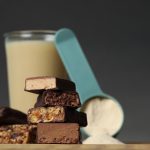 (NaturalHealth365) Millions of people reach for diet soda, sugar-free yogurt, or a zero-calorie energy drink every single day. They’re choosing these products because they believe they’re making a healthier choice. No sugar, fewer calories, better for the waistline. What almost none of them realize is what those sweeteners may be doing to their brain over time.
A major study published in Neurology – the journal of the American Academy of Neurology – tracked nearly 13,000 adults over eight years and found something that should make anyone think twice before reaching for a “diet” product.
People who consumed the highest amounts of artificial sweeteners experienced 32% faster memory decline, 62% faster decline in overall thinking ability, and 173% faster decline in verbal fluency compared to those who consumed the least. The researchers described the overall effect of brain aging as equivalent to about 1.5 additional years of cognitive aging over the course of the study.
Nearly 13,000 people were tracked for 8 years, and here is what researchers found
Researchers at the University of São Paulo followed 12,772 adults aged 35 to 75. All were enrolled in the Brazilian Longitudinal Study of Adult Health. Participants completed food questionnaires and underwent standardized cognitive testing at three points over eight years, checking memory, language, verbal fluency, and processing speed.
The sweeteners studied included aspartame, saccharin, acesulfame-K, erythritol, xylitol, sorbitol, and tagatose. These show up daily in diet sodas, flavored waters, energy drinks, low-calorie desserts, sugar-free gum, and protein products. The findings were consistent across most of them. Only tagatose showed no connection to cognitive harm.
The results were even more striking in people under 60. Midlife turned out to be a critical window. And people with diabetes, who are often actively encouraged by their doctors to use artificial sweeteners instead of sugar, showed the strongest cognitive decline of all.
How artificial sweeteners appear to quietly damage the brain over time
Here is what makes this research particularly concerning. Artificial sweeteners are found almost exclusively in ultra-processed foods. These products are already linked to faster cognitive decline on their own. But this study specifically examined the sweeteners themselves and found that the connection held up independently.
Several of the sweeteners studied appear to affect how blood flows to the brain. Erythritol, for instance, has been linked to changes in the function of small blood vessels. When brain tissue doesn’t get a steady, clean blood supply, cognitive function suffers, memory slips, word retrieval gets harder, and processing speed slows down. These are changes built quietly over the years, which the study’s 8-year design was able to capture.
Simple swaps that protect your brain without going back to sugar
Cutting artificial sweeteners doesn’t have to mean going back to sugar. There are better options.
Retrain your taste for sweetness: Most people find that after a few weeks without heavy sweeteners, their taste buds adjust. Foods that once seemed bland start tasting naturally sweet. Fresh fruit, which comes packaged with fiber, vitamins, and antioxidants, becomes genuinely satisfying. This shift takes time, but it’s real.
Choose smarter sweetener options: Organic raw honey delivers small amounts of antioxidants and has a lower overall impact on blood sugar than refined sugar when used in moderation. Organic, pure maple syrup contains manganese and zinc. Organic dates and figs work beautifully in baking and smoothies while contributing real nutrition. None of these should be used in excess, but they are meaningfully different from aspartame or erythritol.
Read labels on products marketed as healthy: Protein bars, flavored Greek yogurts, sugar-free nut butters, diet drinks, and low-calorie snacks are common hiding places for artificial sweeteners. The names on the label include sucralose, aspartame, acesulfame potassium, erythritol, xylitol, and sorbitol. Checking ingredient lists takes 10 seconds and makes a real difference over time.
Feed your brain what it actually needs: Omega-3 fatty acids from wild-caught salmon, sardines, and walnuts support brain cell structure and help keep memory sharp. Organic dark berries, particularly blueberries, are among the most well-studied foods for brain health. Dark leafy greens like spinach and kale supply folate and vitamin K, both of which research consistently links to slower cognitive aging. These foods protect the brain in ways that no “zero-calorie” product can replicate.
What most people are never told about brain aging
The foods and chemicals people consume in their 40s and 50s don’t just affect how they feel today. They are shaping how their brain functions at 70. That’s the message buried in this research that deserves far more attention than it has received.
Jonathan Landsman’s Alzheimer’s and Dementia Summit brings together leading researchers and holistic doctors to reveal what actually drives cognitive decline and how to protect the brain at any age.
Discover which everyday exposures are quietly accelerating brain aging, which nutrients are most critical for long-term memory, and what early warning signs most people miss until it’s too late.
Sources for this article include:
RELATED NEWS

The bitter seed cooks try to mask that may be doing the real metabolic work
(NaturalHealth365) Do you know someone struggling to control their blood sugar? Well, … The bitter seed cooks try to mask that may be doing the real metabolic work
What berberine does to your metabolic health in 12 weeks
(NaturalHealth365) Berberine has been used in traditional medicine for over 3,000 years. … What berberine does to your metabolic health in 12 weeks
What eating ginger does to your blood sugar and cardiovascular system
(NaturalHealth365) Most people think of ginger as something you add to a … What eating ginger does to your blood sugar and cardiovascular system
Non-antioxidant preservatives that increase your risk of a heart attack and stroke
(NaturalHealth365) Preservatives are in almost everything. They keep bread from molding, stop … Non-antioxidant preservatives that increase your risk of a heart attack and stroke