



Get pain relief from a simple herbal remedy without any health risks

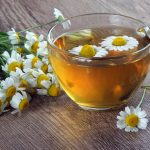 (NaturalHealth365) Most people keep chamomile in the back of the cabinet and pull it out when sleep feels far away. A warm cup, a few quiet minutes, and then bed. For centuries, that has been the story most people know about this gentle, daisy-like flower. But researchers have been telling a very different story. And most doctors have never brought that story up with their patients.
Two major analyses of human clinical trial data, both published in 2025, have now confirmed something natural health practitioners have long believed. Chamomile does far more than help people sleep. The evidence from more than 1,500 human participants is hard to ignore.
New clinical data puts chamomile in a category most people never expected
A systematic review and meta-analysis published in the Journal of Medicinal Plants pooled results from 1,525 human trial participants. Researchers found that chamomile produced significant, measurable reductions in pain across a wide range of conditions. These included musculoskeletal pain, postoperative pain, and pain tied to gynecological health. The effect held consistently across different patient groups and pain types.
Even more striking, chamomile went head-to-head against other active treatments, not just a placebo. Researchers found no significant difference between chamomile and conventional pain options in those direct comparisons. For a plant that costs almost nothing and sits on most kitchen shelves, that finding carries real weight.
The science behind why chamomile calms pain so effectively
Chamomile works through several overlapping pathways that Western medicine has only recently begun to take seriously. The herb contains a flavonoid called apigenin, which calms the nervous system by binding to the same receptors that anti-anxiety medications target.
Additionally, chamomile’s naturally occurring compounds block the same inflammatory signals that over-the-counter pain relievers target. And these compounds do so without the stomach damage, cardiovascular strain, and long-term risks those drugs carry.
A second independent review, published in Pharmaceutical Biology in July 2025, confirmed chamomile’s anti-inflammatory and antimicrobial effects across the human clinical literature. Researchers found that chamomile consistently reduces inflammatory markers, supports immune function, and shows activity against certain bacteria and fungi.
Together, these two analyses paint a picture of a plant working on multiple levels simultaneously. No single pharmaceutical drug manages to do that.
What the research says most people are getting wrong about herbal medicine
Western medicine has long treated herbs like chamomile as gentle but ultimately minor remedies. Yet both of these reviews drew from the same evidence standard used to evaluate pharmaceutical drugs – randomized, controlled human trials with rigorous statistical standards. And chamomile passed.
Researchers in both reviews noted minimal adverse effects. Participants tolerated chamomile well across virtually every study examined.
The bigger issue is straightforward. This research exists, meets high standards, and yet almost never enters a clinical conversation. Most people managing chronic pain receive a prescription and go home. Very few know that a plant with a 2,000-year medicinal history has now met modern clinical standards for significantly reducing pain.
Natural solutions for pain, inflammation, and everyday immune health
Make chamomile part of your daily routine, not just a bedtime ritual. Research suggests that consistent use supports ongoing anti-inflammatory activity. This applies whether the form is a daily cup of tea, a tincture, or a topical preparation applied to painful areas.
Studies have found benefits from both oral and topical forms. Combining the two may offer the most complete effect. Look for products made from whole chamomile flowers rather than heavily processed extracts to preserve the full range of active compounds.
Build an anti-inflammatory plate that works alongside the herbs you use. Chamomile’s effects are stronger when the overall diet also helps reduce inflammation. Wild-caught fatty fish, organic dark leafy greens, turmeric used generously in cooking, and extra virgin olive oil all address the same underlying inflammatory processes.
Moreover, removing refined sugar, processed oils, and packaged foods reduces the daily inflammatory load that makes pain harder to manage, regardless of any natural remedies added alongside them.
Treat sleep and stress management as essential. Chronic pain and poor sleep feed each other in a cycle that is difficult to break without addressing both directly. Quality sleep is when the body resolves inflammation and repairs tissue. Consistently cutting sleep short keeps pain higher than necessary.
Managing daily stress matters just as much, since elevated cortisol levels drive inflammation throughout the body and lower the threshold at which pain is registered.
The conversation most people never get to have with their doctor
Chamomile has been used medicinally across cultures for more than two thousand years. Now, in 2025, human trial data confirms what that long tradition pointed toward all along. The evidence is real, the safety profile is strong, and the herb is already sitting in most people’s kitchens waiting to be taken seriously.
Jonathan Landsman’s Immune Defense Summit gives you direct access to researchers and holistic healthcare providers who understand how plants like chamomile interact with the immune system. Discover what reduces chronic inflammation, what supports the body’s natural capacity to heal, and what conventional pain management leaves on the table.
Click here to own the Immune Defense Summit.
Sources for this article include:
RELATED NEWS

Food warning: Your depression risk is connected to what’s on your plate
(NaturalHealth365) Generally speaking, the advice you get for depression is: make a … Food warning: Your depression risk is connected to what’s on your plate
Brain shrinkage caused by one popular midlife habit to avoid
(NaturalHealth365) You’ve heard that “sitting is the new smoking.” That’s been repeated … Brain shrinkage caused by one popular midlife habit to avoid
How better sleep is directly connected to your gut health
(NaturalHealth365) Better sleep advice has a predictable script: dim your lights at … How better sleep is directly connected to your gut health
Heart failure risk drops significantly with one simple change to your diet
(NaturalHealth365) Heart disease killed more than 683,000 Americans in 2024, remaining the … Heart failure risk drops significantly with one simple change to your diet