



Improvement in heart health lab numbers that most doctors fail to recognize

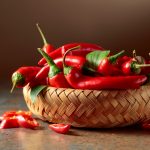 (NaturalHealth365) Just about every kitchen keeps a bottle of hot sauce within arm’s reach. But, there’s no way a conventionally trained physician would consider this food item as a heart “medicine.” For example, could you imagine someone leaving a cholesterol screening with a chili pepper recommendation attached to their lab results?
Unfortunately, most doctors know little about the healing power of natural foods. For example, new clinical evidence reveals a positive change in two lab numbers that healthcare providers should notice.
Two lab numbers that moved in a positive way
Researchers pooled data from twelve randomized controlled trials testing capsaicin, capsinoids, and pepper-based products in overweight and obese adults. Regular intake lowered triglycerides by an average of 14.29 mg/dL and total cholesterol by 9.97 mg/dL compared with placebo groups. Both drops were statistically significant, meaning chance alone was unlikely to explain them.
LDL and HDL cholesterol told a quieter story. Neither marker moved in a statistically meaningful way across the pooled trials. That gap matters, since triglycerides and total cholesterol respond to different metabolic pathways than the LDL particle count most doctors focus on first.
Academic researchers across China, Saudi Arabia, and Iran ran the analysis, with no pepper company or supplement manufacturer involved. The trials spanned different pepper forms, from whole chili preparations to concentrated capsaicin extracts.
How a compound built for heat ended up touching cholesterol
Capsaicin activates a receptor called TRPV1, found throughout the gut, liver, and fat tissue, not just on the tongue. That same receptor plays a role in how the body processes and clears fat from the bloodstream after meals.
Repeated activation over weeks appears to nudge triglyceride handling in a favorable direction.
Capsaicin also interacts with gut bacteria in ways that influence bile acid signaling, a pathway tied to cholesterol regulation. Earlier research has separately linked regular chili pepper consumption to lower rates of death from cardiovascular disease.
Together, these threads point to a compound working on fat metabolism well beyond the sensation of heat.
Building a pepper habit worth keeping
Add fresh or dried chili to meals several times a week, not just once. Consistency mattered more than heat level across the trials, since even moderate daily amounts produced the changes researchers measured. A few slices of jalapeño in pasture raised organic eggs or a shake of cayenne over vegetables adds up over a month.
Choose whole pepper preparations over sugar-loaded hot sauces. Many bottled hot sauces contain added sugar and sodium that work against the same heart health benefits this research points to. Fresh peppers, dried flakes, and simple vinegar-based hot sauces keep the benefit without the added baggage.
Pair peppers with fiber-rich meals for a fuller metabolic effect. Lentils and leafy greens support the same fat-clearing pathways capsaicin appears to influence. Building a plate around both at once covers more ground than pepper alone.
Build tolerance gradually rather than reaching for the hottest option available. Digestive discomfort from too much capsaicin too fast can turn people away from a habit worth keeping. Starting mild and working upward over several weeks makes daily inclusion realistic long term.
Heart health deserves more than a cholesterol number
Triglycerides and total cholesterol tell only part of the cardiovascular story, and most people never learn how the rest of that picture fits together. Inside Jonathan Landsman’s Cardiovascular Docu-Class, you’ll discover the hidden causes of high blood pressure, a stroke and heart failure.
In addition, Jonathan’s online program talks about how to regenerate and repair the cardiovascular system naturally.
Click here to own the Cardiovascular Docu-Class.
Sources for this article include:
RELATED NEWS

What happens while you sleep linked to your risk of 83 different diseases
(NaturalHealth365) You probably have a rough idea of how many hours you … What happens while you sleep linked to your risk of 83 different diseases
Will consuming fermented foods lower your heart disease risk
(NaturalHealth365) Thousands of years before refrigerators, herders noticed something odd about the … Will consuming fermented foods lower your heart disease risk
Unexpected way to lower heart attack risk takes less than 20 minutes a day
(NaturalHealth365) Most heart health advice sounds exhausting: hour-long workouts, strict diets, and … Unexpected way to lower heart attack risk takes less than 20 minutes a day
Overlooked eating mistake linked to fatty liver disease and cirrhosis
(NaturalHealth365) What time did you eat your last bite yesterday? For millions, … Overlooked eating mistake linked to fatty liver disease and cirrhosis