



What eating ginger does to your blood sugar and cardiovascular system

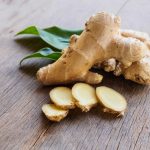 (NaturalHealth365) Most people think of ginger as something you add to a stir-fry or steep when your stomach is feeling upset. But a systematic review published in July 2025 suggests that this assessment barely scratches the surface.
Researchers at Burrell College of Osteopathic Medicine and Mercer University School of Medicine synthesized findings from five independent meta-analyses of randomized controlled trials. The topics covered included inflammation, blood sugar, oxidative stress, and pregnancy nausea. Across all four, ginger produced consistently positive results.
The review, published in Frontiers in Pharmacology, drew on meta-analyses covering thousands of participants in controlled clinical settings. Amounts used across the studies were modest: 1 to 3 grams of ginger per day. At those amounts, the findings made a serious case for viewing ginger as more than just a flavor enhancer.
Cardiologist should see what ginger does to inflammation markers
A meta-analysis of 16 randomized controlled trials with 1,010 participants found that ginger significantly reduced C-reactive protein and tumor necrosis factor-alpha. These are not laboratory curiosities. CRP and TNF-alpha are the same markers cardiologists use to track inflammation – which puts your cardiovascular system at risk. Ginger moved them in the right direction with 1-3 grams daily for 4-12 weeks.
For context, these are the same markers that many pharmaceutical anti-inflammatory drugs target. Yet those drugs come at far greater cost and with well-documented side effects. The reduction in TNF-alpha is particularly notable. Elevated levels of this compound connect directly to heart disease, metabolic syndrome, and chronic pain conditions.
The surprising blood sugar result of consuming ginger
A meta-analysis of 10 randomized controlled trials in 490 people with type 2 diabetes found that ginger supplementation significantly reduced both HbA1c and fasting blood glucose.
HbA1c fell by an average of 1 full percentage point. Fasting blood glucose dropped by more than 21 mg/dL on average.
Researchers found that active compounds in ginger stimulate glucose uptake in muscle and fat cells. These compounds also inhibit enzymes involved in carbohydrate digestion and support insulin sensitivity through multiple pathways. For people managing blood sugar challenges, ginger appears to work through several mechanisms at once, not just one.
Will ginger lower cellular oxidative stress?
A meta-analysis of 12 randomized controlled trials involving 542 participants found that ginger significantly reduced malondialdehyde, a key marker of oxidative stress-induced cell damage. Glutathione peroxidase, one of the body’s primary antioxidant enzymes, also increased significantly with ginger use.
Oxidative stress accelerates cellular aging and underlies most chronic diseases. The fact that a safe, inexpensive food can shift these markers meaningfully is significant. That kind of finding tends to get overlooked in a research landscape dominated by pharmaceutical studies.
How to use ginger based on what the evidence shows
Fresh and powdered ginger, as well as standardized supplements, all offer benefits, but the research supports daily consistency. The therapeutic amounts in these meta-analyses were 1-3 grams per day.
One teaspoon of fresh-grated ginger provides roughly 2-4 grams, making daily culinary use a realistic option. Standardized ginger root capsules at 250-500 mg of extract are widely available at health food stores and online. These offer a measured alternative for people who prefer a supplemental form.
Build ginger into foods that already pair well with a warming, slightly spicy flavor. Fresh ginger grates easily into morning smoothies, soups, dressings, and stir-fries. Ginger tea made from fresh, sliced root, steeped for 10 minutes, delivers the same bioactive compounds found in supplements.
Research suggests that consuming ginger alongside fat-containing foods improves absorption of gingerols and shogaols. These are the active compounds responsible for most of the therapeutic activity.
Combine ginger with complementary anti-inflammatory whole foods for a compounding effect. Turmeric and ginger share overlapping anti-inflammatory mechanisms and pair naturally in cooking. Black pepper enhances absorption of both.
Wild-caught fatty fish provide omega-3 fatty acids that act through distinct yet compatible inflammatory pathways. Together, these foods create a dietary pattern with cumulative benefits no single supplement can replicate alone.
Why this research matters
Most people reaching for an anti-inflammatory medication are addressing a condition that has a nutritional dimension their doctor never explored. The studies in this review used real people in controlled conditions, not animal models. The amounts were modest and safe.
The effects held across multiple independent research groups working with different patient populations. That consistency is exactly what gives these findings real value.
Jonathan Landsman’s Immune Defense Summit explores the nutritional and lifestyle strategies that support immune function and reduce chronic inflammation. Discover how everyday foods and targeted nutrients regulate the inflammatory pathways that Western medicine typically treats with pharmaceuticals.
Learn what the evidence shows about building genuine immune resilience from the inside out.
Click here to own the Immune Defense Summit.
Sources for this article include:
RELATED NEWS

Unexpected way to lower heart attack risk takes less than 20 minutes a day
(NaturalHealth365) Most heart health advice sounds exhausting: hour-long workouts, strict diets, and … Unexpected way to lower heart attack risk takes less than 20 minutes a day
Overlooked eating mistake linked to fatty liver disease and cirrhosis
(NaturalHealth365) What time did you eat your last bite yesterday? For millions, … Overlooked eating mistake linked to fatty liver disease and cirrhosis
Research reveals how to stop cavities, tooth decay and gum disease naturally
(NaturalHealth365) You brush twice a day, floss most nights, and never miss … Research reveals how to stop cavities, tooth decay and gum disease naturally
Reduce lung cancer risk by 41 percent by eating six key nutrients
(NaturalHealth365) Forty-one percent. In a study of hundreds of thousands of adults, … Reduce lung cancer risk by 41 percent by eating six key nutrients