



Newly discovered high risk of cardiovascular death found during nighttime hours

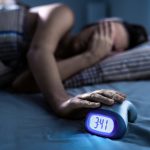 (NaturalHealth365) Recent population research shows a clear pattern between disrupted sleep structure and a higher risk of cardiovascular death. A large-cohort analysis published in Scientific Reports linked poor overall sleep profiles, including fragmented sleep patterns, to higher mortality risk across multiple countries and health systems.
The association remained even after adjustments for lifestyle factors and baseline health status.
In addition, analyses of large health datasets such as the UK Biobank have shown that irregular sleep timing and unstable night-to-night sleep patterns are associated with increased cardiovascular events. A 2025 preprint study examining sleep variability and heart outcomes reported stronger risk signals in participants with inconsistent sleep schedules.
The main issue? Disrupted sleep appears to interfere with overnight cardiovascular recovery, especially the natural drop in blood pressure that normally supports vascular repair.
What happens inside the body when sleep keeps breaking apart
Sleep fragmentation does more than shorten deep sleep cycles. Research consistently links repeated nighttime awakenings with higher sympathetic nervous system activity during hours meant for recovery. That shift keeps stress chemistry elevated when the body should be in repair mode.
Inflammatory signaling also appears more active in people with fragmented sleep patterns. Markers such as C-reactive protein and interleukin-6 tend to rise when sleep becomes unstable across the night. Those same markers repeatedly show up in studies of heart disease progression and long-term mortality risk.
Why sleep stability now matters as much as sleep duration
Sleep science is now moving toward a more complete picture of recovery. Duration alone no longer explains differences in cardiovascular outcomes across populations. Instead, the stability of sleep cycles, the depth of slow-wave sleep, and the consistency of night-to-night patterns now appear central to heart protection.
Wearable technology and EEG-based studies now allow researchers to measure sleep continuity with greater precision. A 2025 clinical dataset analyzing sleep microstructure found that disrupted sleep architecture correlates with higher long-term cardiovascular risk, even after controlling for age and traditional risk factors.
That shift changes how sleep is understood in clinical research. Sleep no longer functions as a passive state measured in hours but as an active biological process in which continuity determines restorative value.
Natural solutions for restoring sleep continuity and heart recovery
Support stable sleep timing as a cardiovascular priority rather than a lifestyle preference. Going to bed and waking at consistent times helps regulate circadian rhythm signals that govern nighttime blood pressure and heart rate variability. Research suggests that consistency across seven days strengthens autonomic balance more effectively than sleep extension alone.
Reduce nighttime sympathetic activation by protecting the final hour before sleep.
Dim lighting, reduced screen exposure, and calm sensory input support the nervous system transition into parasympathetic dominance. This transition appears essential for reducing overnight awakenings linked to cardiovascular strain.
Strengthen deep sleep through mineral and nutrient support that influences relaxation pathways. Magnesium, glycine-rich foods, and omega-3 fatty acids have all been studied for roles in sleep depth and nervous system regulation. Improved deep sleep continuity can help to reduce inflammatory signaling tied to cardiovascular risk.
When sleep disruption keeps the heart in nighttime stress mode
Sleep often feels like a simple recovery window, yet research now shows a more complex reality. Repeated interruptions during the night may signal a nervous system that never fully disengages from stress mode. That condition quietly reshapes cardiovascular risk over time, even when total sleep hours appear adequate.
Western medicine often evaluates sleep through duration and basic screening tools. However, emerging data suggest that sleep continuity may belong in the same risk conversation as blood pressure and metabolic health. The body needs not only sleep time but also uninterrupted recovery cycles to allow true cardiovascular repair.
Why sleep fragmentation rarely shows up in cardiovascular screening
Sleep fragmentation continues to emerge as one of the most underrecognized drivers of cardiovascular strain in modern research. Addressing sleep stability may represent one of the most direct ways to support long-term heart resilience without a medication focus.
That growing body of research is exactly why many clinicians and health practitioners are now re-examining how cardiovascular health is understood at the root level. Inside Jonathan Landsman’s Cardiovascular Docu-Class, leading holistic experts explore these deeper mechanisms and the strategies rarely discussed in standard care.
Click here to own the Cardiovascular Docu-Class today.
Sources for this article include:
RELATED NEWS

Unexpected gut damage caused by antibiotics combined with the wrong food choices
(NaturalHealth365) If you have ever filled an antibiotic prescription, you probably heard … Unexpected gut damage caused by antibiotics combined with the wrong food choices
Hidden heart attack risk detected on CT scan
(NaturalHealth365) Doctors who order a heart scan are usually hunting for one … Hidden heart attack risk detected on CT scan
The easy way to lower your stress hormones
(NaturalHealth365) After a rough day, many people think a “tough” exercise session … The easy way to lower your stress hormones
Shorter days linked to more dangerous infections
(NaturalHealth365) Every autumn, the days grow shorter, yet most of us barely … Shorter days linked to more dangerous infections