



The bitter seed cooks try to mask that may be doing the real metabolic work

 (NaturalHealth365) Do you know someone struggling to control their blood sugar? Well, the solution for this health problem may be easier than you’ve been led to believe – especially after you read the story below.
For years, a mysterious maple syrup smell drifted over Manhattan, sweet enough that some residents worried the scent might be dangerous. City emergency management, environmental, and weather agencies eventually pooled 311 complaints and wind data to trace the source. Investigators landed on a New Jersey plant processing an unassuming seed most Americans have never heard of: fenugreek.
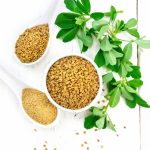
That same seed has spent far longer quietly working on something more useful than a curious smell. The compound behind the maple aroma, called sotolone, is found in a seed people have cooked with for thousands of years.
Studies reveal a positive effect on blood sugar numbers
A 2025 meta-analysis in the Avicenna Journal of Phytomedicine pooled data from 26 randomized controlled trials on fenugreek and blood sugar control. Researchers at Tabriz University of Medical Sciences and Ardabil University of Medical Sciences in Iran led the analysis. Their goal was to resolve years of smaller, conflicting studies using a single larger dataset.
The results were clear. Fasting blood sugar dropped by close to 17 points on average.
Post-meal blood sugar dropped even further. HbA1c, the marker doctors use to track blood sugar control over months, fell by more than half a percentage point.
Why the bitterness might be the point
Fenugreek seeds contain galactomannan, a soluble fiber responsible for much of that sharp, bitter edge. That same fiber forms a gel in the digestive tract when the seeds are eaten.
The gel slows how quickly sugar from a meal enters the bloodstream. That mechanism helps explain why post-meal glucose improved so consistently across the pooled trials.
Cooks who strip out the bitterness through heavy roasting or long soaking may be softening more than flavor. Milder preparation methods can reduce the very fiber content driving the effect. Choosing raw or lightly toasted seeds, rather than deeply roasted ones, likely preserves more of the compound doing the work.
Fenugreek is not unique in this respect. Other fiber-rich foods known for a strong or bitter edge, including bitter melon and dandelion greens, share a similar profile of compounds that slow digestion while delivering an unpopular taste. The pattern suggests flavor and function are more connected in the plant world than most people assume.
More is not automatically better with this plant
Trials using less than 10 grams of fenugreek daily produced greater improvements in blood sugar than trials using higher amounts. Researchers were not entirely sure why, though similar patterns have shown up with other fiber-based interventions.
That finding runs against the instinct to take more of a supplement for a bigger effect. With fenugreek, a modest daily amount appears to work as well as, or better than, a large one. Anyone starting fenugreek for blood sugar support has a good reason to start small rather than load up.
How to actually use fenugreek based on what worked in these trials
Start with 5 to 10 grams of ground fenugreek seed daily, roughly one to two teaspoons, split between two meals. Stirring the powder into lentil dishes, yogurt, or a spice blend helps mask the bitterness.
This approach avoids the need to roast away the active fiber. Soaking whole seeds overnight before grinding softens the flavor slightly while keeping most of the galactomannan intact.
Pair fenugreek with a carbohydrate-containing meal rather than taking the seed on an empty stomach. The fiber works by slowing glucose absorption during digestion.
Give the habit at least eight weeks before expecting to see a change reflected in bloodwork. HbA1c reflects a three-month average and will not move overnight.
A seed worth reconsidering, bitterness and all
Blood sugar rarely misbehaves alone. The same toxic buildup that wears down the liver and kidneys tends to drag insulin resistance along for the ride, year after year.
A seed most people shove to the back of the cabinet, right next to the cumin nobody remembers buying, turns out to be untangling exactly that kind of knot.
Jonathan Landsman’s Whole Body Detox Summit picks up that thread. Inside, one episode on unclogging the body’s detox pathways touches directly on how toxin exposure quietly worsens both thyroid function and type 2 diabetes risk.
Inside Jonathan’s program, holistic healthcare providers and researchers map out practical ways to lighten that toxic load while keeping blood sugar steadier day after day.
Click here to own the Whole Body Detox Summit.
Sources for this article include:
RELATED NEWS

Shorter days linked to more dangerous infections
(NaturalHealth365) Every autumn, the days grow shorter, yet most of us barely … Shorter days linked to more dangerous infections
Two-minute nightly routine linked to fewer strokes, major study reveals
(NaturalHealth365) Be honest, how often do you actually floss? Most of us … Two-minute nightly routine linked to fewer strokes, major study reveals
Lower the risk of dementia with an age-old habit
(NaturalHealth365) There’s something special about curling up with a good book on … Lower the risk of dementia with an age-old habit
Soothing daily cup linked to a longer life, researchers discover
(NaturalHealth365) As the evenings turn cool, few things feel as comforting as … Soothing daily cup linked to a longer life, researchers discover