



The cancer-diet connection doctors rarely bring up in the exam room, new research confirms

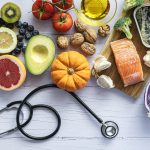 (NaturalHealth365) Ask most oncologists how to prevent cancer, and the conversation goes straight to screenings, genetics, and pharmaceutical risk reduction. Diet, if mentioned at all, usually gets a polite nod and a vague recommendation to eat more vegetables. What rarely comes up is the accumulating evidence that what ends up on your plate every single day may be one of the most powerful cancer prevention tools available and that Western medicine has been slow to take that seriously.
A major new meta-analysis published in eClinicalMedicine – a Lancet journal – has added some of the clearest numbers yet to this conversation. Researchers analyzed data from 2.2 million people across 17 studies and found that people who closely followed plant-forward, whole-food dietary patterns had a 7% lower cancer incidence rate and a 12% lower cancer mortality rate compared to those who didn’t.
Those are not small numbers when you apply them to a disease that kills nearly 10 million people globally each year.
A study of 2.2 million people just made the diet-cancer connection impossible to dismiss
Researchers gathered results from 17 studies conducted across multiple countries over several decades, combined the data into a single large analysis, and examined the overall pattern. The pattern that emerged was consistent: people eating closer to a whole-food, plant-rich diet were meaningfully less likely to develop cancer and to die from it.
Around 20% of cancer deaths in Western countries are already linked to poor nutrition, according to data cited in the study. Not to genetics or bad luck, but to what people eat, which means those deaths were potentially preventable.
Why cancer grows quietly for years before anyone catches it
Cancer doesn’t develop overnight. The process unfolds over years, driven by chronic inflammation, oxidative damage, hormonal disruption, and a compromised immune system – all of which diet directly influences. A plate loaded with ultra-processed foods, refined grains, excess sugar, and industrial seed oils quietly fuels every one of those processes, day after day, without producing obvious symptoms until something goes seriously wrong.
Whole plant foods work in the opposite direction. Fiber feeds beneficial gut bacteria that regulate immune surveillance. Polyphenols in berries, cruciferous vegetables, and dark leafy greens act as antioxidants and switch on the body’s own detoxification pathways. Compounds in foods like broccoli, garlic, and tomatoes have been studied for their ability to slow abnormal cell growth before it becomes a clinical problem.
Western medicine has framed cancer almost entirely as something that happens to people – a disease to be diagnosed and treated. The growing body of nutritional research tells a different story: cancer risk is something most people have far more control over than they’ve been led to believe.
The foods that lower cancer risk and the ones that quietly raise it
Shifting your diet toward a cancer-protective pattern doesn’t require perfection, but it does require consistent, deliberate choices.
Build your plate around organic whole plant foods: Dark leafy greens, cruciferous vegetables like broccoli and Brussels sprouts, alliums like garlic and onions, colorful berries, legumes, and raw, sprouted nuts form the backbone of a cancer-protective diet. These foods deliver fiber, antioxidants, vitamins, and phytochemicals that work together in ways no single supplement can replicate. The goal is variety and volume – these foods should dominate the plate, not occupy a corner of it.
Cut what actively raises your risk: Processed meats, such as hot dogs, deli meat, and bacon, are classified as Group 1 carcinogens, meaning the evidence that they cause cancer in humans is well established. Ultra-processed packaged foods loaded with synthetic additives, refined oils, and added sugars drive the chronic inflammation that cancer exploits. Alcohol is a direct carcinogen linked to at least seven cancer types. None of these are foods where moderation is a safety net.
Prioritize anti-inflammatory fats: Extra-virgin olive oil, avocados, walnuts, flaxseed, and fatty, wild-caught fish like salmon and sardines provide omega-3s and monounsaturated fats that help counter the inflammatory pathways underlying cancer development. Replacing refined vegetable oils with these sources is one of the most impactful single dietary shifts available.
Support your body’s detoxification systems: Cruciferous vegetables, such as broccoli, cauliflower, kale, cabbage, and arugula, contain compounds that activate liver detoxification enzymes that help clear carcinogens from the body. Eating them raw or lightly steamed preserves the most benefit. While garlic and onions contain sulfur compounds with well-documented anti-cancer properties, green tea delivers EGCG, a polyphenol that has been studied extensively for its ability to inhibit cancer cell proliferation.
What conventional oncology still isn’t telling you about avoiding cancer cell growth
The evidence linking diet to cancer prevention has been building for decades. The question isn’t whether food matters – this meta-analysis makes that unmistakably clear. The question is why conventional oncology continues to treat nutrition as an afterthought, while the research points in a very different direction.
Jonathan Landsman’s Stop Cancer Docu-Class brings together 22 holistic physicians and researchers to share evidence-based cancer prevention strategies that Western medicine rarely discusses.
Discover which environmental toxins pose the greatest cancer risk, how to strengthen immune surveillance against abnormal cell growth, which functional lab tests identify early cancer markers years before conventional diagnosis, and how to use nutrition and targeted supplementation to lower your risk starting now.
Sources for this article include:
RELATED NEWS

Unexpected gut damage caused by antibiotics combined with the wrong food choices
(NaturalHealth365) If you have ever filled an antibiotic prescription, you probably heard … Unexpected gut damage caused by antibiotics combined with the wrong food choices
Two of the clearest ways to avoid age-related vision loss
(NaturalHealth365) Few things feel as precious as seeing a grandchild’s face clearly … Two of the clearest ways to avoid age-related vision loss
Aging gracefully requires a surprising change to your dietary attitude
(NaturalHealth365) For years, the diet world has sounded like a shouting match, … Aging gracefully requires a surprising change to your dietary attitude
Your stomach cancer risk goes up with one “refreshing” choice
(NaturalHealth365) About two out of three adults in the U.S. drink at … Your stomach cancer risk goes up with one “refreshing” choice